
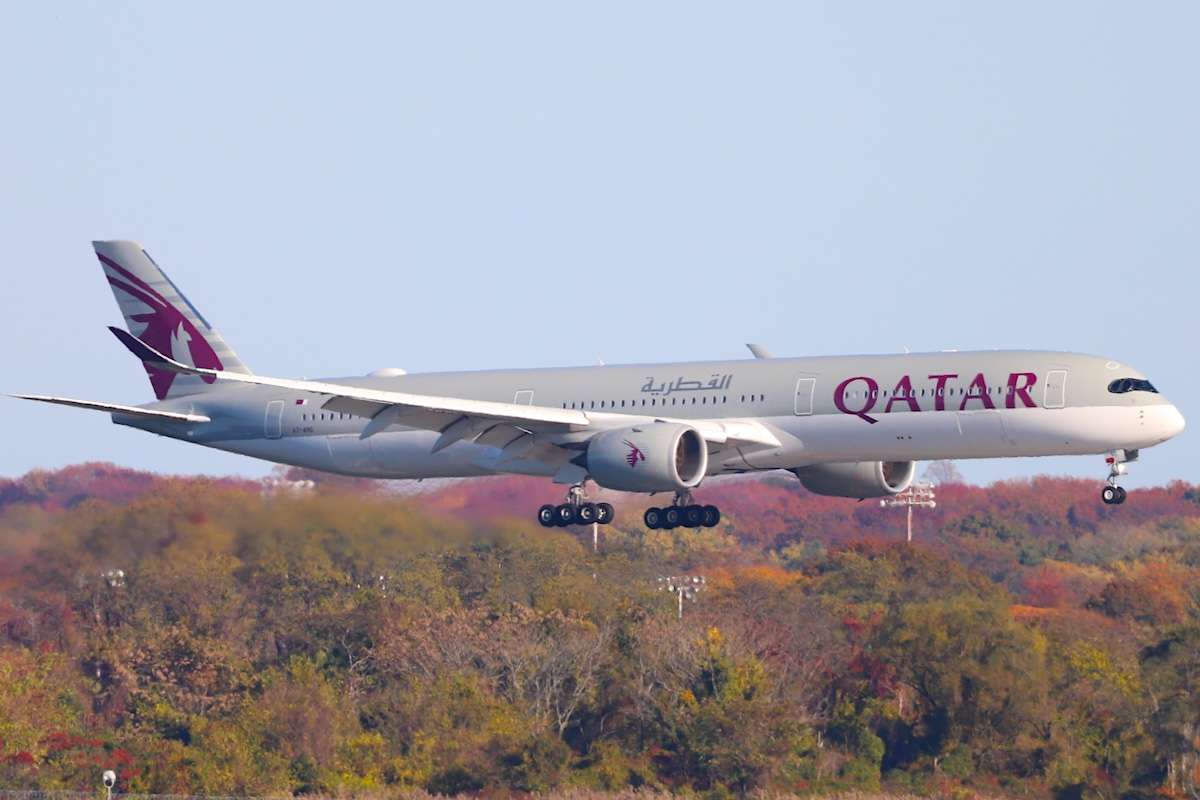
Qatar Airways has quietly looked to sell off and bring back some of its flagship Airbus jets as part of a transaction with BOC Aviation.
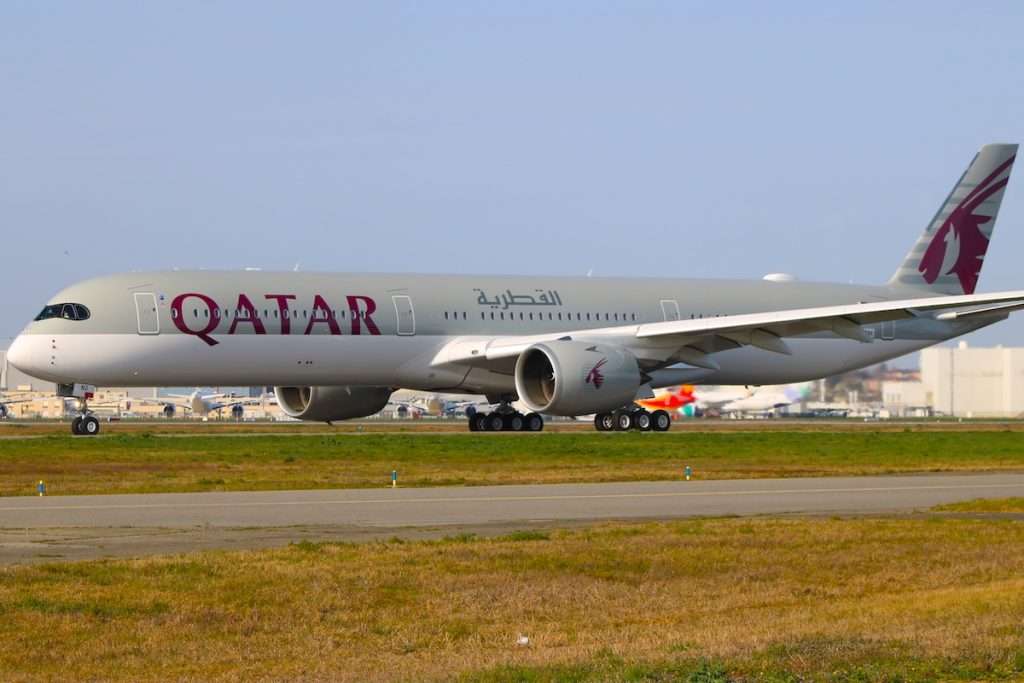
As part of the contract, the Doha-based airline sold three A350-1000 jets to the leading lessor and then leased them back under a long-term agreement.
This is a textbook sale-and-leaseback deal that, for Qatar Airways, strengthens its balance sheet and also gives the Singapore-based lessor three next-generation widebodies to add to its portfolio.
Breaking Down The Transaction
BOC Aviation was the one to announce the purchase-and-leaseback agreement reached with Qatar Airways, noting that all three A350-1000s included in the transaction were already in service with the carrier and are thus structured as a sale-and-leaseback.
Qatar Airways, in essence, sells the airframes to BOC Aviation, then leases them back so it can continue operating the same frames under its own colours without having to take the jets out of service at any point.
The A350-1000s form part of a relatively young fleet of the model, configured with a premium-heavy layout in mind, combining the QSuite Business Class alongside an economy cabin that reflects the airline’s cabin configuration.
The leases are described as long-term, and while parameters were not cited for the duration, long-term leases can widely vary in time, but typically this is at a 10-12 year period, which aligns with key economic life, maintenance schedules and decisions that are made on what comes after that next 10 years.
Why Is This Good For BOC Aviation?
For BOC Aviation, this type of transaction ticks several boxes, but most of all adds three Airbus A350-1000s to its portfolio, a type in strong demand that has, for some time, had limited availability in the leasing sector, with handovers not occurring at a strong pace.
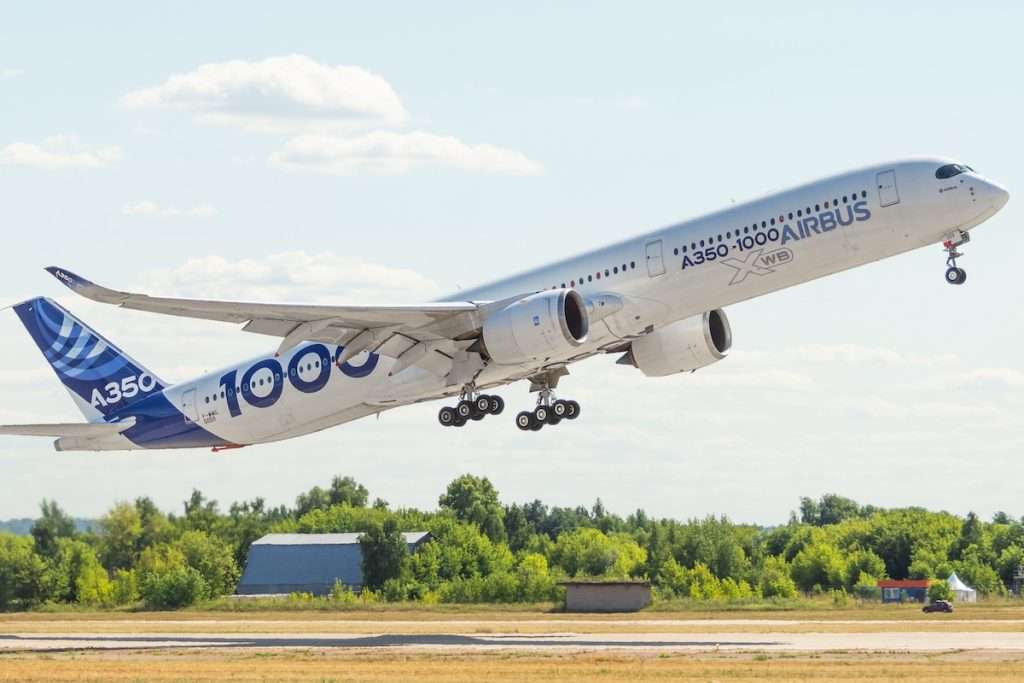
Acquiring the aircraft, even via a sale-and-leaseback, allows BOC Aviation to bypass the queues at Airbus and instead tie up assets that are already flying with an international carrier and have proven themselves.
Secondly, this type of acquisition gives a long-term investment for BOC Aviation in Qatar Airways. These types of on-lease acquisitions with strong customers like the Doha-based business are important and help ensure the risk profile is lower than that of taking on a smaller business.
BOC Aviation would feel comfortable that, for these three aircraft, it can rely on a steady stream of lease payments because it knows Qatar Airways is protecting its assets and generating strong revenue.
Additionally, selecting a business as established as Qatar Airways ensures that its maintenance standards and commitment to operational excellence will be carried over to the jets. As a result, these three A350-1000s will not be neglected or allowed to waste away due to poor standards that would impact their value if ever remarketed or converted for another use when their passenger flying in the Middle East ends.
Why Is Qatar Airways Doing This?
For Qatar Airways, the benefits of making this move are typically flagged for liquidity purposes. These sale-and-leaseback transactions unlock equity tied up in aircraft, with the proceeds then going toward debt on the jets, perhaps residual cash for other purposes, or something else.
It’s a fast way to raise funds that can help with future fleet investments, route planning, or building up capital, even debt reduction, without having to look at new loans or public markets, which come with their risks.
For other airlines, the balance sheet can show, in agreements like these, a significant boost, with capital expenditure removed from the sheet and replaced with predictable rental liabilities that can improve overall credit ratings and other metrics.
With Qatar Airways always on the move and needing to be agile in a competitive sector, the flexibility of these transactions means lease terms can be aligned with the outlined fleet plans. As a result, whether it’s the introduction of new types or the retirement of a subfleet, it’s easier for the lease to expire and for new assets to come in, rather than being locked into the economics of owning a model.
Neighbouring Emirates has had many Airbus A380s delivered through leases and operating leases, and at the conclusion of the leases, chose to buy out the A380s. That strategy is not because it wanted to retire the models in question, but instead as the jets grew older and gained greater control over their management.
The three Airbus A350-1000s sold and leased back are long-term, giving Qatar Airways plenty of time to see how the industry and its widebody fleet develop. As the lease nears its conclusion, fresh opportunities will present themselves regarding the direction it chooses for the models.

ABOUT THE AUTHOR
Daniel Fowkes is a Melbourne-based aviation analyst and journalist with over a decade of industry experience. As founder of Dj’s Aviation, he delivers trusted analysis on aircraft, airline strategy and global aviation trends for djsaviation.net
Related Articles




Stay Informed
Get the latest aviation news, analysis and route updates delivered to your inbox.
We respect your privacy. Unsubscribe at any time.
Enjoyed this story?
Make us your go-to for aviation news
Add us as a preferred source on Google and see our latest stories first in Top Stories.
Add Us On Your News FeedRelated articles
· Airlines
Allegiant Air Buys Six More 737-8s From Boeing
Daniel Fowkes
26/10/2026
· Airlines
Emirates vs Qatar Airways: The Gulf Superhub Rivalry Compared
Bryan Shelmon
26/10/2026
· Airlines
Riyadh Air Is Moving Away From Riyadh
Daniel Fowkes
26/10/2026
· Airlines
Emirates Isn’t Worried At All
Daniel Fowkes
25/10/2026