
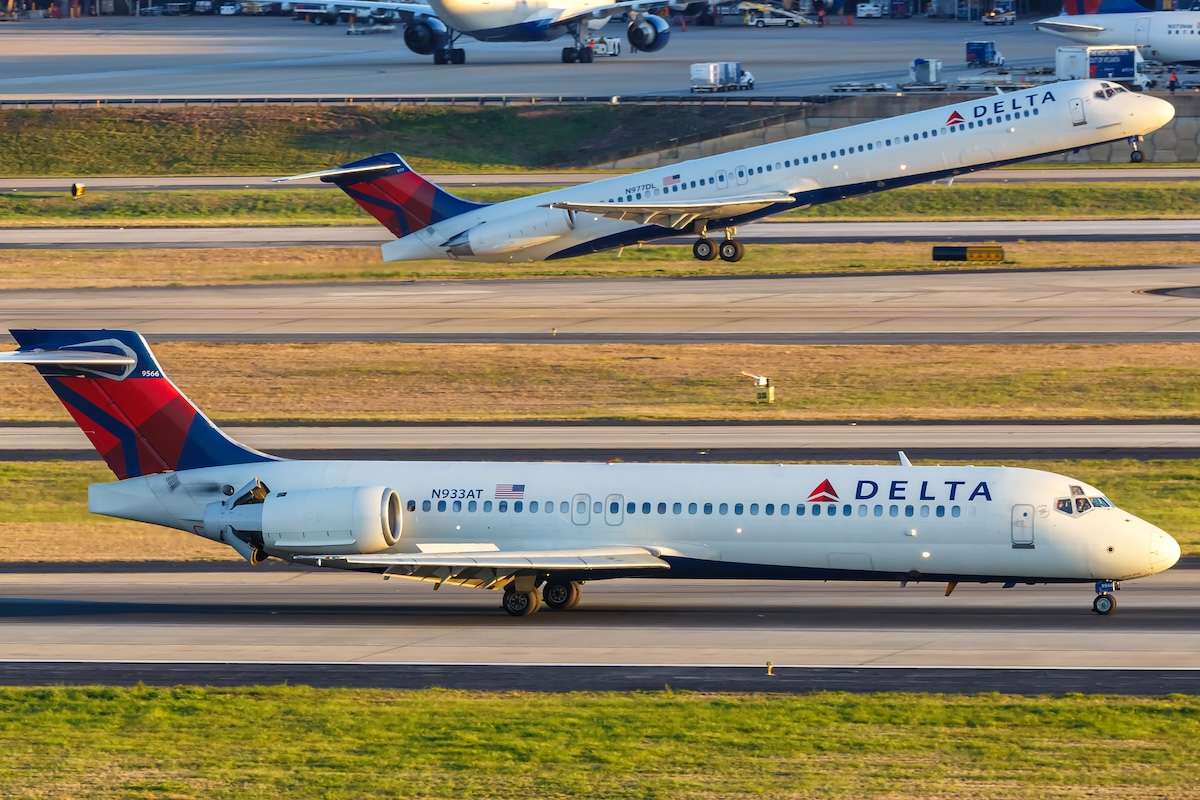
Delta’s plan to retire its Boeing 717 has shifted, with fresh reporting indicating the airline is accelerating the removal of aircraft to advance fleet renewal and streamline operations.
Six of the airlines’ Boeing 717s, forming part of a now-niche short-haul jet that formed the backbone of the network, were headed for their upcoming heavy checks. But those are not expected to return or undergo that process after reconsideration of costs and future flying plans.
JonNYC on X flagged the development following previous speculation that surfaced on other aviation-related forums; this news comes for an aircraft that is firmly in the sunset of its long life transporting passengers.
He says that the retirement of those jets 9503 through 9508 will take place in July and August and has been brought forward from a 2030 window. Showing some early inklings of the possible broader plane for departure of the single-aisle.
Delta’s Boeing 717 Retirement Plan
Delta first put a plan to retire its Boeing 717 fleet in the air back at the heart of the COVID-19 pandemic, as airlines scrambled to reduce their fleet types and cut losses to become more efficient. As a result, jets like the 717, even the 767, were put on the chopping block first.
Under those plans, the airline identified the midpoint of this decade as the optimal time to phase out the fleet. That September 2020 reporting saw the airline confirm to investors that the fleet and its value were not recoverable given future cash flows, and it noted impairment charges tied to the retirement.
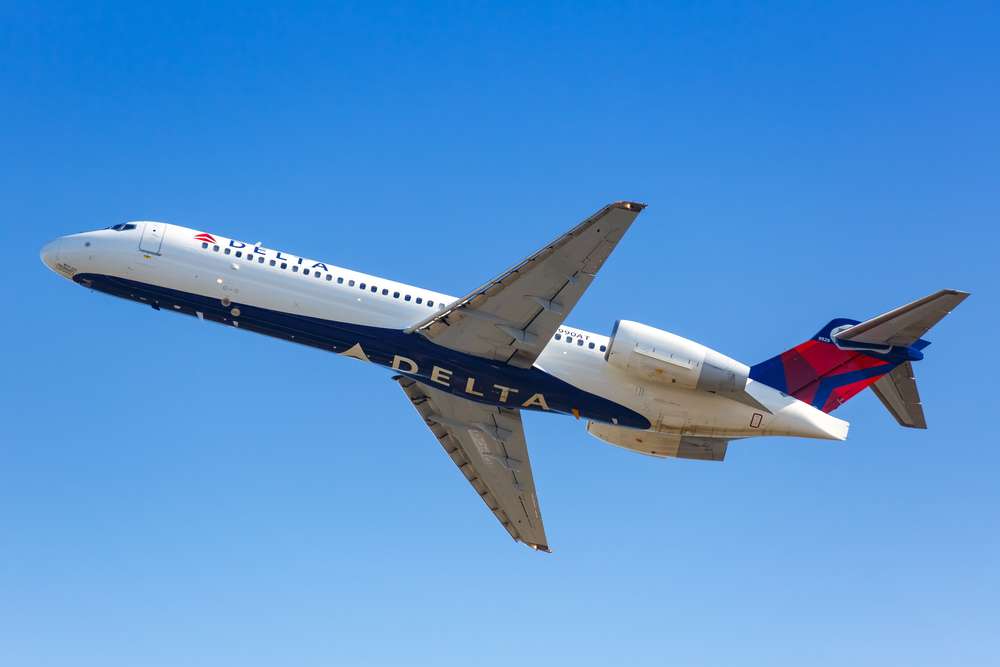
At the time, Delta had many of the 717s to its name, nearly 100, and the average age was close to the 20-year mark, many of which were not owned outright and rather operated on a list. Over the following years, it planned to reduce the active fleet quite considerably.
But now, as 2026 passes the halfway point, the 717 retirement plan, similar to the 767, has not gone out exactly as intended, with both fleet types alive and kicking. The 717 fleet is still showing 74 active units with an average age of 24.7 years.
Retirements Now Begin 6 Years Later
Despite the 717s remaining, their age is still something worth considering as the airline continues its transition towards newer single-aisles like the A321neo and A220, and eventually starts taking on the aircraft from its lone commitment to the 737 MAX and the high-capacity 737-10.
As a result, these older 717s will begin to really shine through, not for the good reasons. Now, it has been revealed that Delta has begun pulling specific 717s from service, with these planes headed for retirement as costs increase with upcoming maintenance that was expected to be conducted.
Given the 717’s impact on the industry was significant for what it was intended to do, but ultimately small compared to a 737-like aircraft, the operators were limited, and the model hasn’t been produced for two decades, most having been retired globally. The spare parts market is under strain as many units have been retired, including those operated by QantasLink, to make way for the A220.
With some units therefore slated to exit from Delta, the retirement comes as no shock, and the last six years would, for the aviation enthusiast, be considered a blessing that the planes were able to stick around. That said, Delta has yet to formally confirm the long-term retirement plan for the 717, as it has overstayed earlier expectations of a 2025 complete retirement, which were aired during the peak of the COVID-19 pandemic.
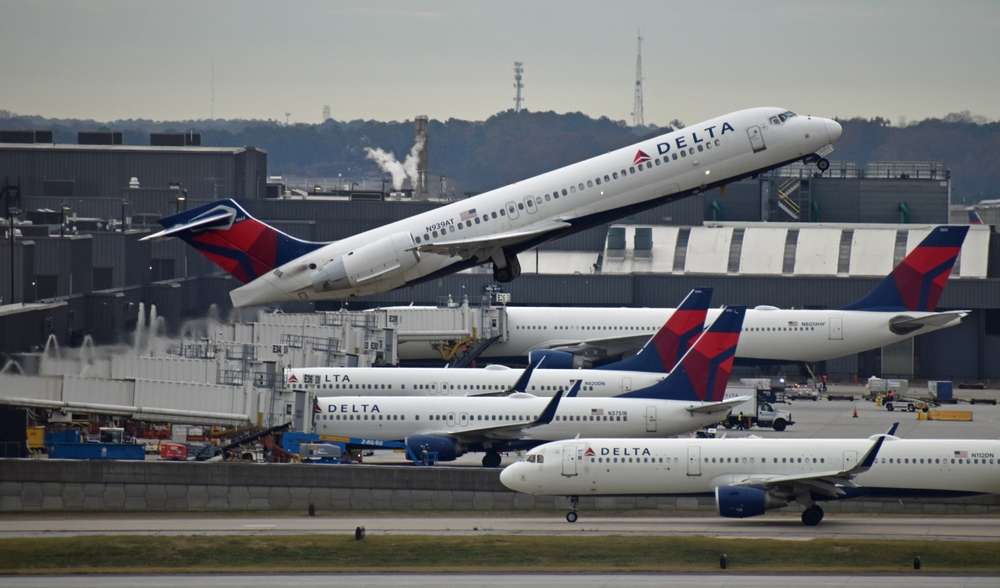
From a passenger standpoint, the decision to begin saying farewell to the 717 is a welcome one, despite its strong history in the industry, largely due to the dated feel of the cabins, the louder environment, and the cramped, age-showing cabin layout.
Customers seeing what planes like the A220 have brought to more regional short- to medium-haul flying, even with Embraer’s EJet family, and knowing how the 717 represents an era now in the back window.

ABOUT THE AUTHOR
Daniel Fowkes is a Melbourne-based aviation analyst and journalist with over a decade of industry experience. As founder of Dj’s Aviation, he delivers trusted analysis on aircraft, airline strategy and global aviation trends for djsaviation.net
Related Articles




Stay Informed
Get the latest aviation news, analysis and route updates delivered to your inbox.
We respect your privacy. Unsubscribe at any time.
Enjoyed this story?
Make us your go-to for aviation news
Add us as a preferred source on Google and see our latest stories first in Top Stories.
Add Us On Your News Feed