

Airbus A320s are set to be farewelled at AirAsia this year as it begins to say goodbye to its original A320 fleet that was instrumental in its growth and development to where it stands today.
With the Group looking to lean more heavily on efficiency and the A220 and A321 families, part of the next-generation of available aircraft, the older aircraft are now to be removed.
A320 Retirement Plan Confirmed
Across the many airlines that form part of the AirAsia Group, the A320 family shines through as a star performer and integral to daily connections on its single-aisle aircraft. The A320ceo family was a key factor in building the fleet and network to where they are today.
The number of A320ceos, however, has begun to decline compared with the newer A320neo and A321neo jets, which are being delivered continuously due to strong orders. Now, the A320ceo is aging, with the point having been reached where maintenance costs and related fuel burn appear to undermine the existing business model.
With AirAsia facing pressure on its margins, it must keep costs low. As a result, while substantial investments in aircraft are required, maintaining older aircraft may no longer be feasible.
According to the business, a phase-out of around a dozen older A320s will occur, as part of efforts to return 14 jets to lessors by the end of the year. This move not only reduces the fleet’s average age and increases reliance on new jets but also simplifies operations.
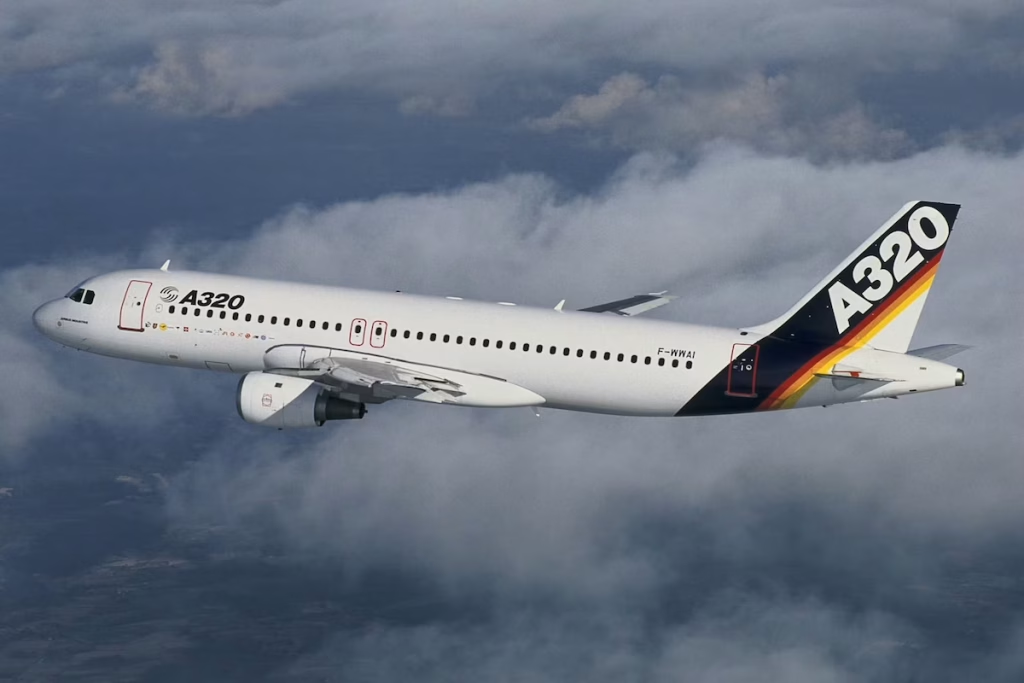
The older A320s will in the long-term be completely axed, with the A320neo family instead taking on the role, the A321neo in particular, the perfect evolution in its higher capacity, meaning more seats to markets to match growth and at an improved cost for the business.
A Phase Out Plan That Makes Sense
During the phase-out, AirAsia wants to ensure that the impact on itself and its customers is minimal. With that in mind, the axings are to be calculated and ensure that newer NEO models can be delivered in part as the mid-life jets begin to depart.
Those calculations also see the shuffling of deployment for older aircraft just before they are removed. In the short term, they will be deployed to the limited markets where they make economic sense, AirAsia’s CEO flagging the Philippines and Indonesia as two key countries.
These changes will result in only a short-term reduction in the active fleet, but only for a limited time, as they make way for the new-generation jets from Airbus, which, while being delivered, are being delayed as the industry battles ongoing supply chain struggles.
Building the future fleet will see two next-generation families be integral to it. The order consists of a record-breaking 150 A220-300s and options for the A220-500 if launched. It remains the largest commitment ever to the programme and cemented the regional jets’ role within the fleet, ensuring secondary cities could be connected on a much more cost-effective basis.
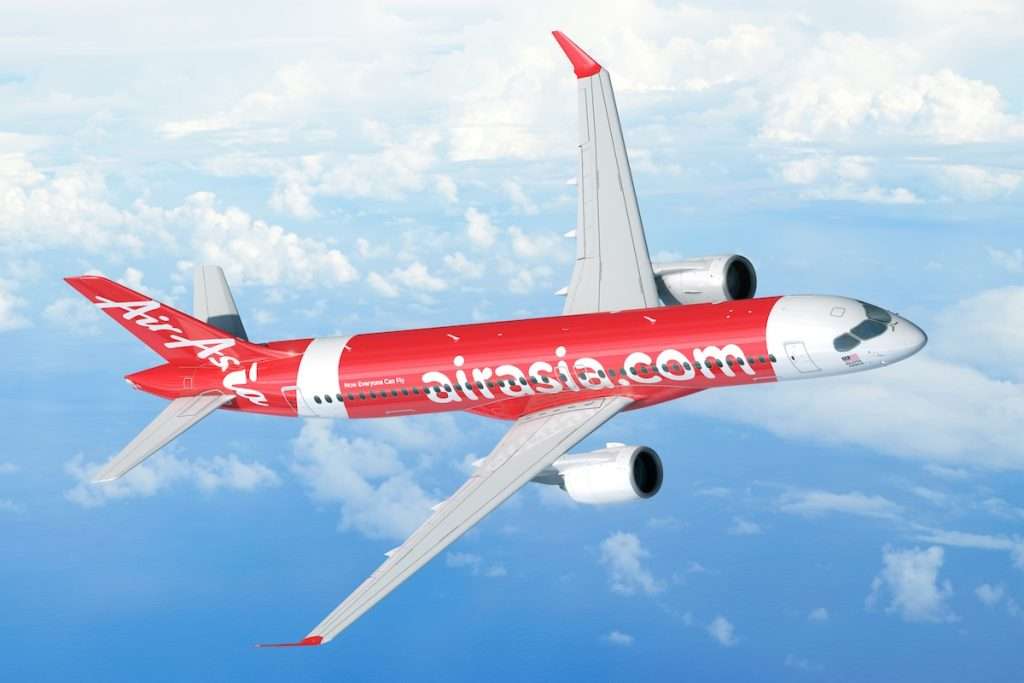
Part of efforts to restructure and focus on regional connectivity, its jets like the A220-300 that AirAsia are betting big to ensure it can be sustainable deep into the coming decades as more people demand flights into not just capital cities but markets that have historically been underserved or unserved due to their limited viability with current equipment.
Complementing the A220 are the airline’s hundreds of A321neos on order, spread across multiple variants, including not just the base model but also the LR and XLR. These jets are seen as better suited to revenue-heavy locations. The extended-range models are also replacing the A330 and the cancelled A330neo, albeit with a smaller capacity that is less risky to fill daily.
Removing midlife A320s from most airlines’ fleets may be frowned upon. Still, for AirAsia, it’s a plan they’re committed to this year as they reduce the fleet age, remove older CEO jets, and transition faster to the next-generation aircraft they have purchased in the hundreds.

ABOUT THE AUTHOR
Daniel Fowkes is a Melbourne-based aviation analyst and journalist with over a decade of industry experience. As founder of Dj’s Aviation, he delivers trusted analysis on aircraft, airline strategy and global aviation trends for djsaviation.net
Related Articles




Stay Informed
Get the latest aviation news, analysis and route updates delivered to your inbox.
We respect your privacy. Unsubscribe at any time.
Enjoyed this story?
Make us your go-to for aviation news
Add us as a preferred source on Google and see our latest stories first in Top Stories.
Add Us On Your News Feed