
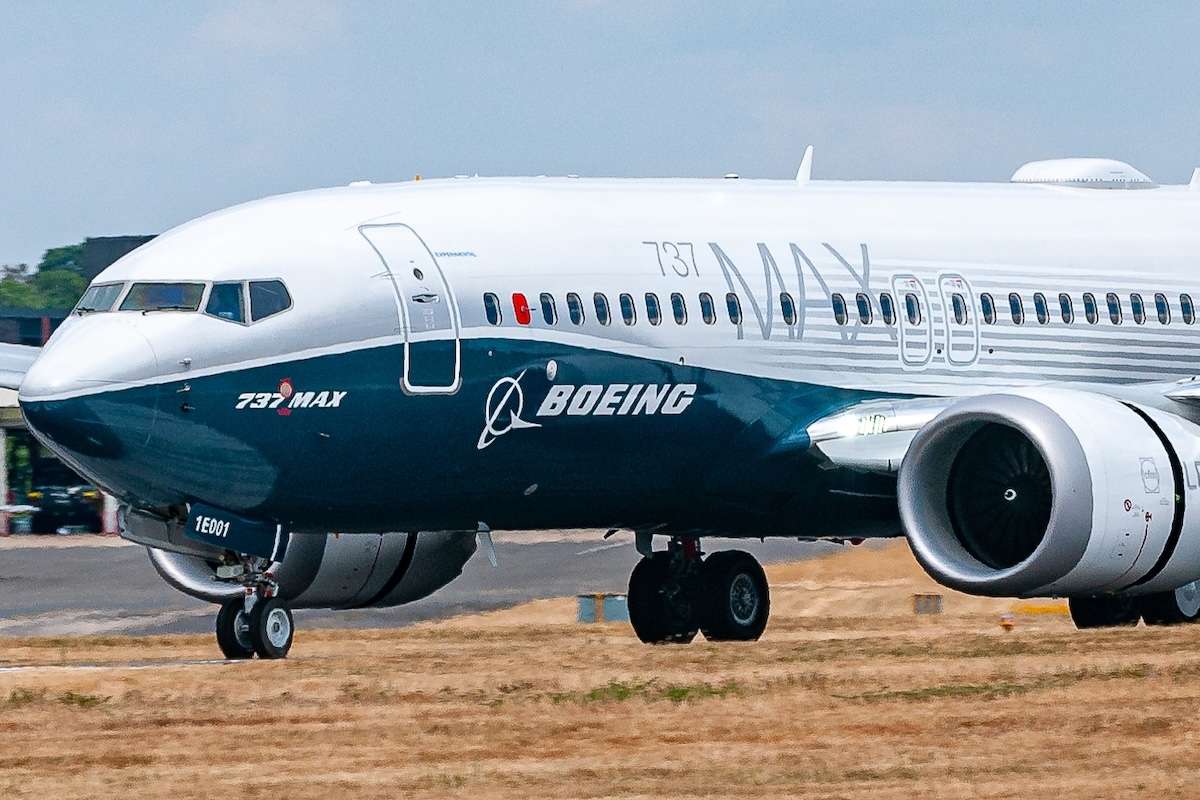
Southwest is finally set to debut a new Boeing 737 MAX model in its fleet, with a 2027 debut date following lengthy delays.
The Chief Operating Officer, Andrew Watterson, has confirmed that the smallest member of the MAX series, the 737-7, is expected to enter revenue service in 2027, which will permit final certification work and its own testing.
The timer for allowing the new model to enter service, however, will be driven by the FAA and Boeing’s ability to certify the jet, and once that occurs, Southwest’s internal timer can begin.
Regulators have now, for the first time since testing began, indicated that the finish line for the 737-7 is in sight, with certification firmly set for this summer after years of delays and back-and-forths.
FAA Administrator Bryan Bedford said that the 737-7 will be certified within months after design changes and documentation updates were made to the jet to bring it into compliance, delaying the overall process and its debut with airlines like Southwest.
The 737-7 is also not the only remaining variant of the broader MAX family that needs to be certified; the largest model, the 737-10, is also awaiting the formal greenlight, with first deliveries expected in 2027 and a late-2026 or early-2027 certification from the FAA here.
Even if Boeing is granted the green light for its 737-7, Southwest will not immediately integrate it into its operations. The U.S. carrier flags that it needs time to adapt to the operating specifications and manuals for this new type.
Furthermore, the airline will have to train pilots and cabin crew, for while this is just another member of the 737 family that it’s so familiar with, it still represents a new variant that has to be integrated, even from a maintenance, scheduling and dispatch perspective.

As such, while a certification could come this summer, entry into service with Southwest would not happen in late-2026 but rather in early-2027, after it completes all integration processes to ensure its EIS is as simple and efficient as possible.
Southwest’s Life Without The 737-7
As Southwest’s largest customer by a fair margin, it has felt a significant impact on its business due to the long wait for the aircraft. This is a business model built around operating a single aircraft family.
While there are sweeping benefits to operating under a single model, there are also downsides, and that hasn’t been felt more than in the last half-decade plus, when the 737 family has been involved in many crises impacting its output, deliveries, and certification.
With Southwest heavily committed to the 737-7 and the plane not only uncertified but also heavily delayed, the airline has been forced to rely more on the larger 737-8 than it had initially planned.
These moves, while seemingly minimal on the service, do force adjustments to network planning and shifts to better match what a larger aircraft with demand can’t always work at the locations intended to receive the 737-7 and from an earlier day.
For markets with lower demand, being without the 737-7 means the airline is short on smaller-capacity jets when it needs them most and is forced to deploy planes that are not a viable long-term solution.
As some of the unit cost advantages were deferred rather than realised, shifts in orders and delivery plans have been common, with the bringing forward of 737-8s and shifts in variants selected to take on new planes, but ensuring they’re for models that are certified.
That shift is also felt with the adjusted retirement plans for the older 737-700s, for which the 737-7 part of the MAX family will replace. Those replacement efforts are being significantly shifted to keep the jets airborne and avoid running low on capacity amid uncertainties over certification.
A Vital Aircraft For The Future
With a great degree of patience being exercised by the U.S. carrier, the role of the 737-7, once it can enter service, has been clear from the beginning: a one-for-one replacement for the ageing 737-700 fleet, ensuring capacity can be protected and frequency maintained in smaller markets.
The platform gives Southwest a more efficient way to operate shorter segments in the future, as well as lower-yielding segments that are still important to serve. Thanks to the MAX family’s interchangeability, the 737-8 and 737-7 can also be switched as needed to match specific markets that may be weaker or stronger at certain times of the year or over time.
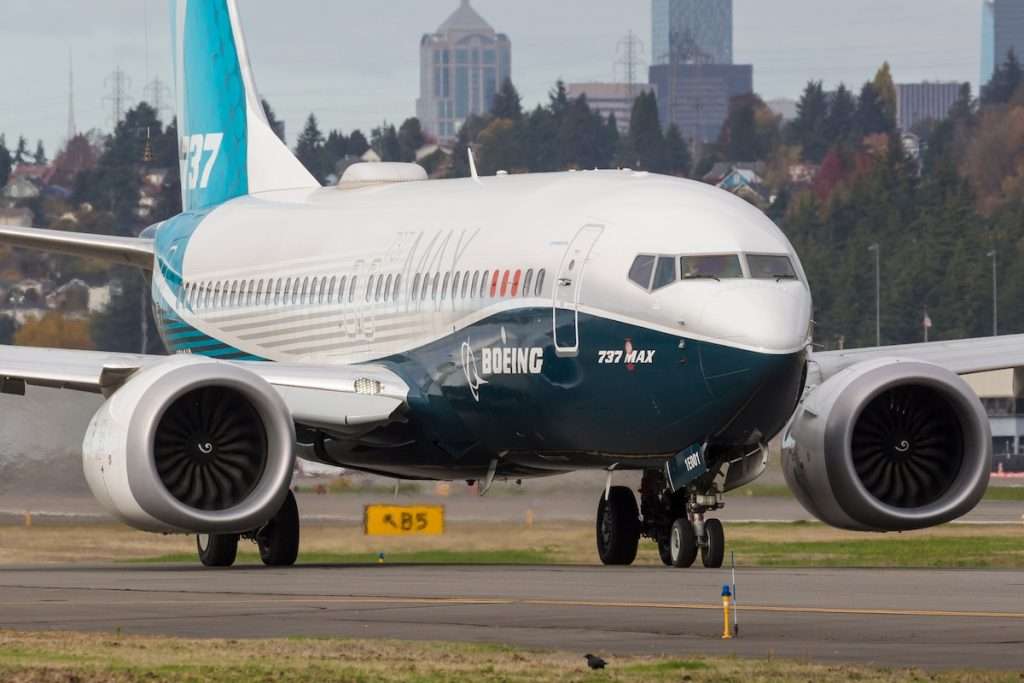
With hundreds of 737-7s on order, the airline has gone big on the smallest variant, and as a result, the delays and uncertainty about when the model would be approved have hurt it in more ways than one. Despite this, Southwest has kept the faith and is riding out the delays, knowing that once delivered, the model’s performance will shine through.
The FAA should certify the aircraft this summer, paving the way for the 737-7 to see its timer begin with Southwest, which will begin preparting for its own delivery and a scheduled entry into service sometime in 2027.

ABOUT THE AUTHOR
Daniel Fowkes is a Melbourne-based aviation analyst and journalist with over a decade of industry experience. As founder of Dj’s Aviation, he delivers trusted analysis on aircraft, airline strategy and global aviation trends for djsaviation.net
Leave a Reply
Related Articles




Stay Informed
Get the latest aviation news, analysis and route updates delivered to your inbox.
We respect your privacy. Unsubscribe at any time.
Enjoyed this story?
Make us your go-to for aviation news
Add us as a preferred source on Google and see our latest stories first in Top Stories.
Add Us On Your News Feed
Unfortunately, The FAA has been overly cautious as to not get caught with their pants down again. The Max issue (MCAS) was ultimately the FAA’s responsibility. Now everyone is paying for the FAAs sins.
Author
Certainly the FAA angle doesn’t get as much coverage and how they with Boeing basically made it pretty easy for jets to be certified, they’ve had to knuckle down just as much too but yes as you said that then impacts the whole industry. Better to be safe than sorry, but a shame it took those two crashes for us to get to this point. That should’ve never happened. Thanks for supporting my site, have a wonderful week.