
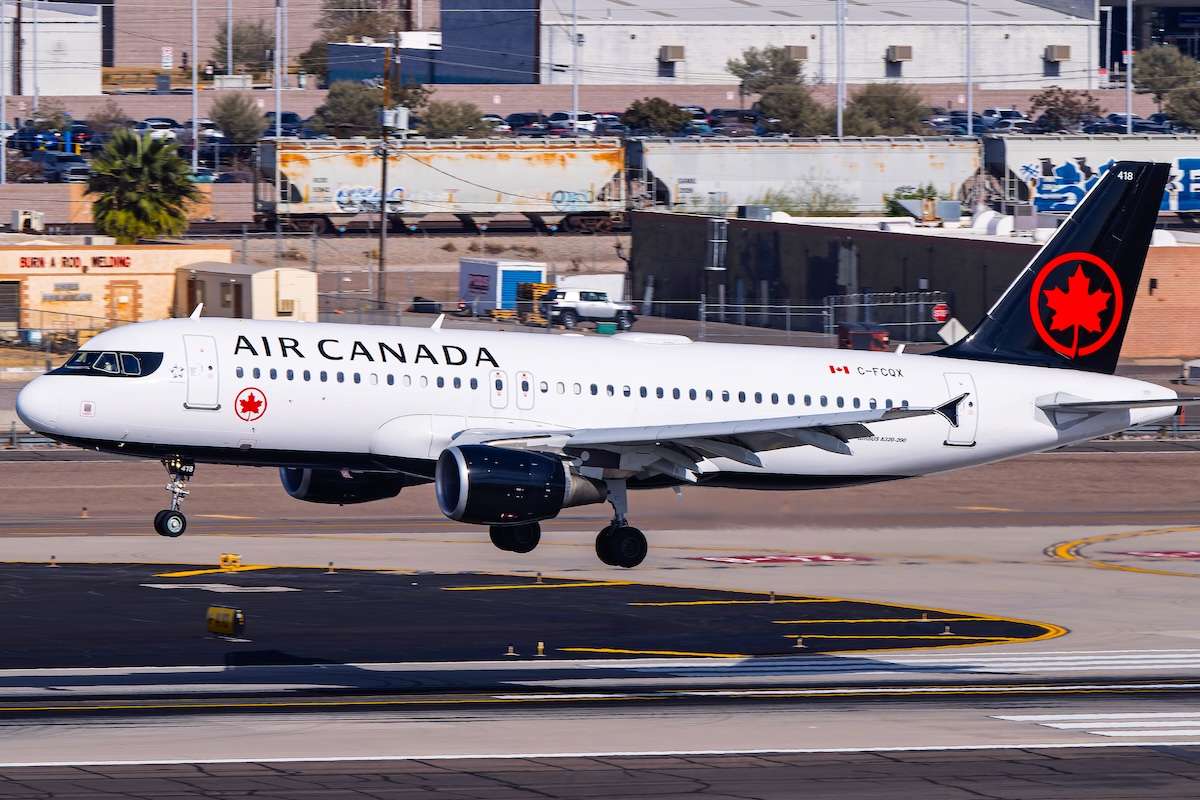
Air Canada will continue to suspend and therefore cancel all flights to Cuba indefinitely; this is a key market for it as a Canadian operator, but one it cannot continue to serve.
The decision, announced some time ago, has now been reinforced by an update from the business on 5 June 2026, which said that the shortage of aviation fuel and a deepening energy crisis mean it cannot resume flying.
What’s Air Canada Doing
In early February, Air Canada decided to halt passenger services across all four destinations in Cuba it served, including Varadero, Cayo Coco, Holguin and Santa Clara. This is while challenging a neccesary decision to make.
The sweeping cancellations followed local authorities and international NOTAMs issuing warnings that commercial jet fuel would no longer be available at the islands’ airports as of 10 February, 2026. These warnings were flagged even before the war in Iran broke out.
With this in mind, the flag carrier confirmed that it would shut down its operations here and leverage the existing aircraft typically used on the many weekly services elsewhere to serve markets that are safer and more secure.
That was some 4 months ago, and to protect passengers, it’s keeping these flights halted because the situation has not improved. In the early days after the initial suspension, the business operated empty southbound ferry flights to help bring people back to Canada.
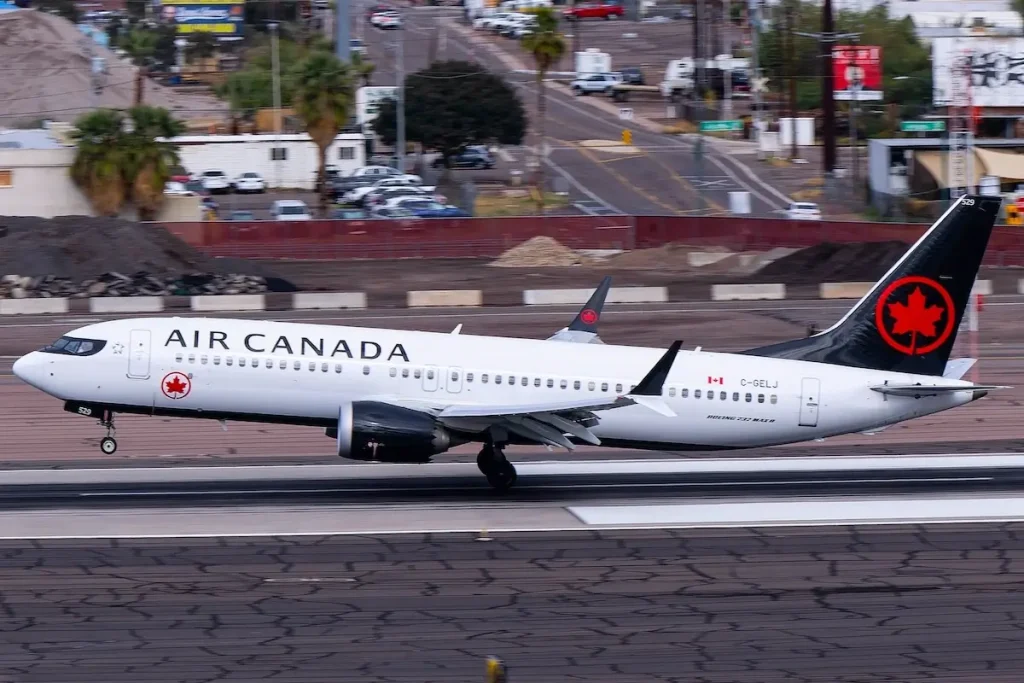
Technical stops were also ordered to help refuel the aircraft outside the country. Still, the latest advisory, issued in June, shows that the resumption of service has been postponed until further notice, with no clarity on when it will resume. Customers are to be contacted with other options, refunds and more.
Why Is Air Canada Doing This?
Unlike the market retreat in New York following Air Canada’s fuel price spike, Cuba’s situation is beyond its control; the immediate trigger is a shortage of aviation fuel.
Cuba’s civil aviation authority made it clear to businesses in February that commercial aviation in Cuba would not last in the long term, and this applies to all airports nationwide, meaning that foreign carriers, if they want to continue serving these locations, would need to alter their flight paths considerably.
With this making what should have been a standard service more complicated,d many, including Air Canada, chose to axe flights to protect themselves. The Iran War conflict and then the sharp rise of fuel prices made any decision to leave this market, if it wasn’t easy, near simple.
Behind all of these fuel concerns is the ongoing energy crisis, with Cuba relying on Venezuela and, in some cases, even Mexico, for crude and refined products. The sanctions and blockade of the island, in place since late 2025, have led to rationing.
The subsequent rolling blackouts and fuel shortages have been catastrophic for many people, for their livelihoods and more, among all other consequences from this. Cuban authorities, while saying they would try to keep flying options available, haven’t been able to do so, and airlines have reacted to NOTAMs accordingly.
A Return? Or No?
Initially, Air Canada remained optimistic, as it should and as would be expected of its customer base, believing flights could resume just 2-3 months after February. Still, the catch was that fuel supplies would need to stabilise.
Unfortunately, its optimistic view was quickly shattered by the belief that flights would not be offered until November 2026 at the earliest. Now, halfway through the year, the airline still hasn’t seen any tangible progress that would give it confidence that flights can continue.
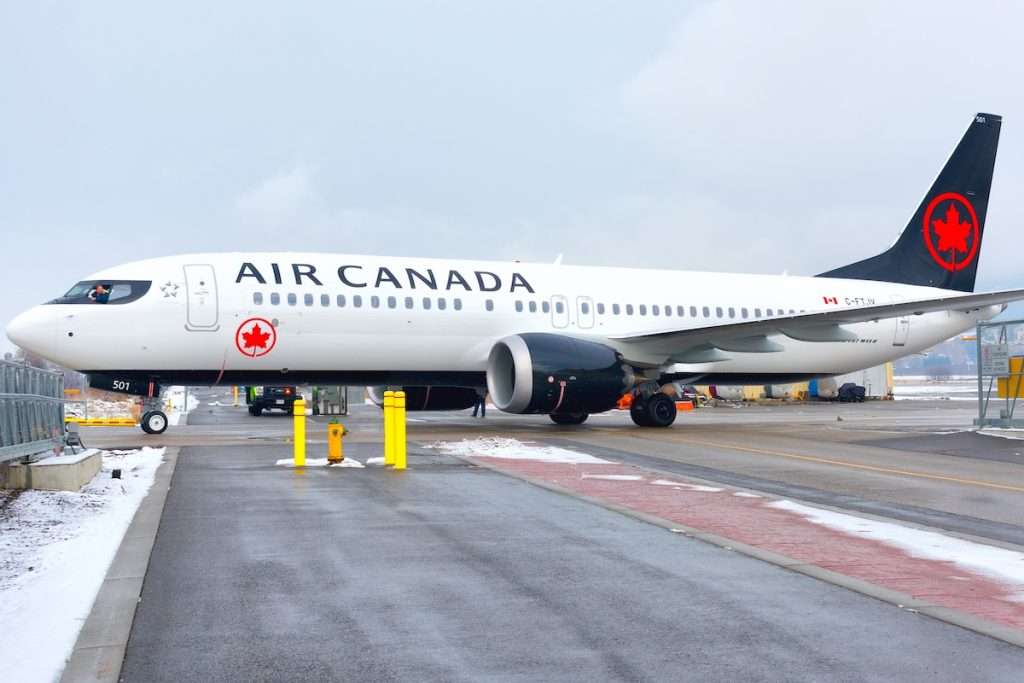
Instead of maintaining an optimistic tone, the airline is cracking down on it, with the view that flights will not return anytime soon.
While others try to maintain service to Cuba, the pressures are mounting. For Canadian travellers, the loss of capacity to a favoured winter destination, especially for the coming Northern Winter 2026/27 season, will be felt. Not to exclude the impact on those in Cuba who continue to lose access to flights, although this is just one pillar of much that has been going wrong.
For Air Canada, the suspension hurts, but the freed-up aircraft do mean that redeployment to other locations, whether it’s in the Caribbean or closer to home, means that a shift can be felt to more reliable environments that will yield a better return, for the moment at least.

ABOUT THE AUTHOR
Daniel Fowkes is a Melbourne-based aviation analyst and journalist with over a decade of industry experience. As founder of Dj’s Aviation, he delivers trusted analysis on aircraft, airline strategy and global aviation trends for djsaviation.net
Related Articles




Stay Informed
Get the latest aviation news, analysis and route updates delivered to your inbox.
We respect your privacy. Unsubscribe at any time.
Enjoyed this story?
Make us your go-to for aviation news
Add us as a preferred source on Google and see our latest stories first in Top Stories.
Add Us On Your News FeedRelated articles
· Airlines
Allegiant Air Buys Six More 737-8s From Boeing
Daniel Fowkes
26/10/2026
· Airlines
Emirates vs Qatar Airways: The Gulf Superhub Rivalry Compared
Bryan Shelmon
26/10/2026
· Airlines
Riyadh Air Is Moving Away From Riyadh
Daniel Fowkes
26/10/2026
· Airlines
Emirates Isn’t Worried At All
Daniel Fowkes
25/10/2026