

ITA Airways is considering the retirement of its entire brand-new Airbus A330neo fleet in favour of moving towards an all-A350 widebody operation.
The news, revealed by the airline’s CEO, Jörg Eberhart, in an interview with Aerotime.aero, encompassed many talking points as the business charts a course for the future under the wing of the Lufthansa Group.
Given that this is an airline that burst onto the scene in the wake of the Alitalia collapse this decade, its vision has yet to be realised, and the foundations still need to be laid at a pivotal time for the business.
Why The A350 Over The A330neo?
For the moment, ITA Airways’ decision on the A330neo fleet isn’t final; however, if a decision were made, Eberhart suggests it would favor the A350 over the mid-sized Airbus widebody jet.
The advantages of jumping to the A350 stem from ITA Airways’ preference to build its network over the next ten years and from which aircraft would best match its needs.
Eberhart has described his love for the A350 on multiple occasions. Still, fundamentally, the bottom line is that the series remains a more versatile aircraft with a wider array of deployment opportunities globally.
Certainly, the range, payload capabilities, and even the efficiency of the A350 platform over the A330neo, while still a next-generation aircraft, would better match where ITA wants to deploy its widebody aircraft in the future and deliver the best margins.
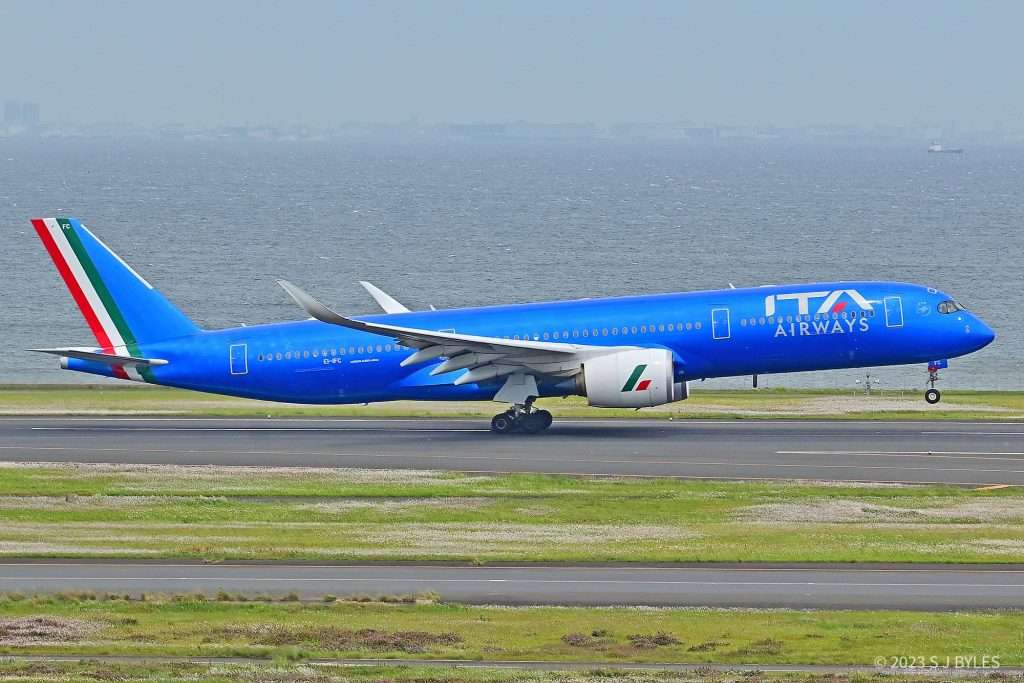
Lower fuel burn per seat, better performance on ultra-long-haul routes, and greater deployment flexibility, even in thinner long-haul markets, are advantages over the A330neo, which has lower range and capacity. These points do not make the A330neo a bad aircraft, but for ITA and the direction it wants to head, pursuing an all-A350 widebody fleet makes a lot of sense.
A Strategy Carefully Implemented
ITA Airways’ pursuit of the Airbus A350 isn’t new; however, its decision to likely adopt it as its sole widebody jet adds another layer to its fleet planning that was previously unknown.
Many factors drive the A350’s performance; however, for ITA Airways, being integrated into the Lufthansa Group, this is a widebody jet widely used, with real-world experience. Beyond that, aligning the future fleet closely with the Lufthansa Group makes great sense, and with the A350 increasingly in focus across other carriers, ITA joining that list is logical.
However, the acquisition of the A350s and their broader role in the business would allow maintenance costs to decrease and training expenses to decline beyond just the Group commonality. At the same time, the complexity of operating multiple widebodies, while normal, would also be reduced.
Fleet continuity for a business like ITA Airways matters a lot. The airline already has one of the youngest and most efficient Airbus fleets; however, finding ways to make this less complex and better aligned with its ambitious growth strategies is important.
For the moment, Airbus is fully booked, which means that, as flagged by lessors, ordering directly from the source now is challenging. The fully booked nature of the planemaker, as flagged by Eberhart, is to 2033. With that in mind, for ITA to release its strategy, it needs to work closely with the Lufthansa Group to secure the aircraft it requires.
A Keen Pursuit Of The A350
More Airbus A350s have been on the agenda for ITA Airways for quite some time. In April, the airline said it needed more of these aircraft to pursue the next phase of growth and noted it was working with the Lufthansa Group to make this a reality.
The A350s are seen as a way to access long-haul markets more quickly as it tries to build out its network and fend off emerging competition, which is also fighting to expand into Italy. ITA wants a say in where the market share goes, but needs the aircraft to make this possible.
In those April reports, the airline believed that while the A330neo was something it relied on, it was not considered internally to be fully optimal for the target areas the business wants to grow into. This is the first sign that the business was viewing the A330neos role as possibly not fit for purpose in the next 5-10 years.
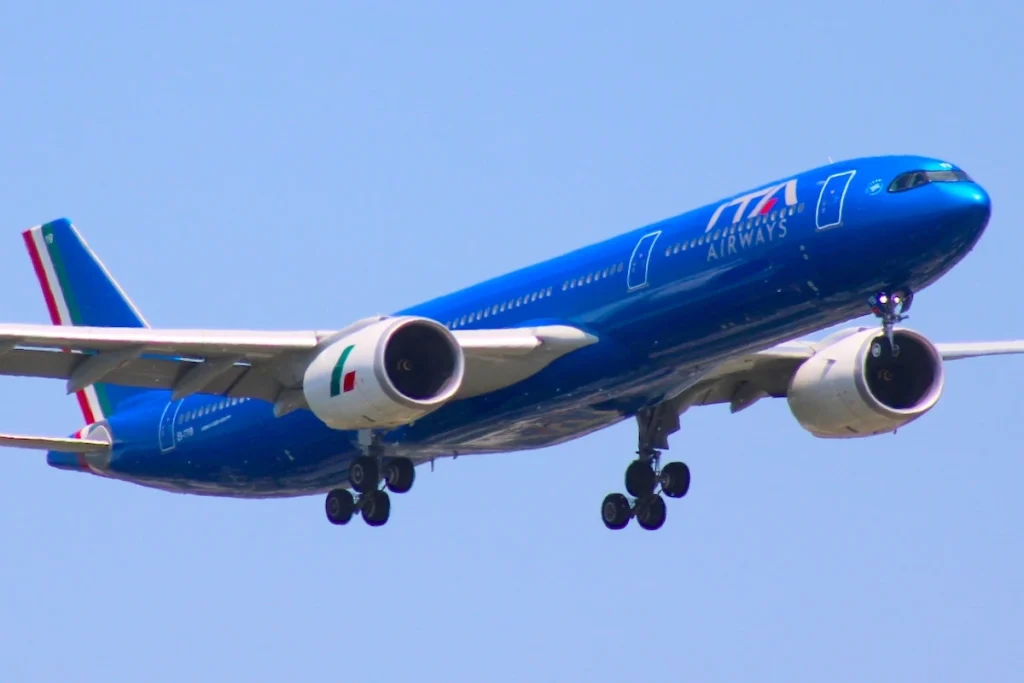
A removal of the A330neo, while not confirmed, is something the airline is actively considering, but, reliant on the acquisition of A350s, would remove access to some of the more medium-haul international routes. Whether in North Africa or the Middle East, the neo is better suited.
However, ITA Airways would still argue that the versatility of the A350 platform is the biggest driver behind the change, and even with the A330neo removal, these routes can still be served thanks to greater flexibility in range, capacity, and the interchangeability of the aircraft across the network, whether longer or thinner.

ABOUT THE AUTHOR
Daniel Fowkes is a Melbourne-based aviation analyst and journalist with over a decade of industry experience. As founder of Dj’s Aviation, he delivers trusted analysis on aircraft, airline strategy and global aviation trends for djsaviation.net
Related Articles




Stay Informed
Get the latest aviation news, analysis and route updates delivered to your inbox.
We respect your privacy. Unsubscribe at any time.
Enjoyed this story?
Make us your go-to for aviation news
Add us as a preferred source on Google and see our latest stories first in Top Stories.
Add Us On Your News Feed