

Emirates SkyCargo, after seven months of conversion work in Tel Aviv, has welcomed back A6-EBK, now a dedicated freighter, and thus a new model to the fleet.
Flagged by fleet data, shown via planespotters.net, A6-EBD was stored from 9 November 2025 through 28 May 2026 for conversion under Emirates, where it then emerged on 28 May 2026 under the SkyCargo division for the first time, also being the first -300ERSF listed under the broader fleet.
The Boeing 777-300ERSF has become a new model in the now-expansive 777 family. It is part of efforts to extend the life of these passenger aircraft, which are no longer considered economical to continue flying with passengers.
This induction of the new fleet type into the cargo division is part of an overhaul of the dedicated freight service, expected over the coming years, which will enable the Dubai-based operator to reap the rewards well into the future.
Emirates’ debut of the newest 777 model in its fleet also comes after March 2026, reports that preliminary schedules were filed for the planned EIS of these planes, which was expected to commence in May 2026.
A Conversion Process Takes Shape
The Boeing 777-300ERSF conversion is, in essence, a commitment to converting a previously identified passenger plane into a dedicated freighter under the P2F initiative, a trend visible across many aircraft programs over the years.
The work, which in this case was carried out at Israel Aerospace Industries in Tel Aviv, is a lengthy process and takes nearly half a year per aircraft, during which many major structural and systems components are overhauled to ensure the plane is safe and fit for purpose as a freighter upon re-delivery.
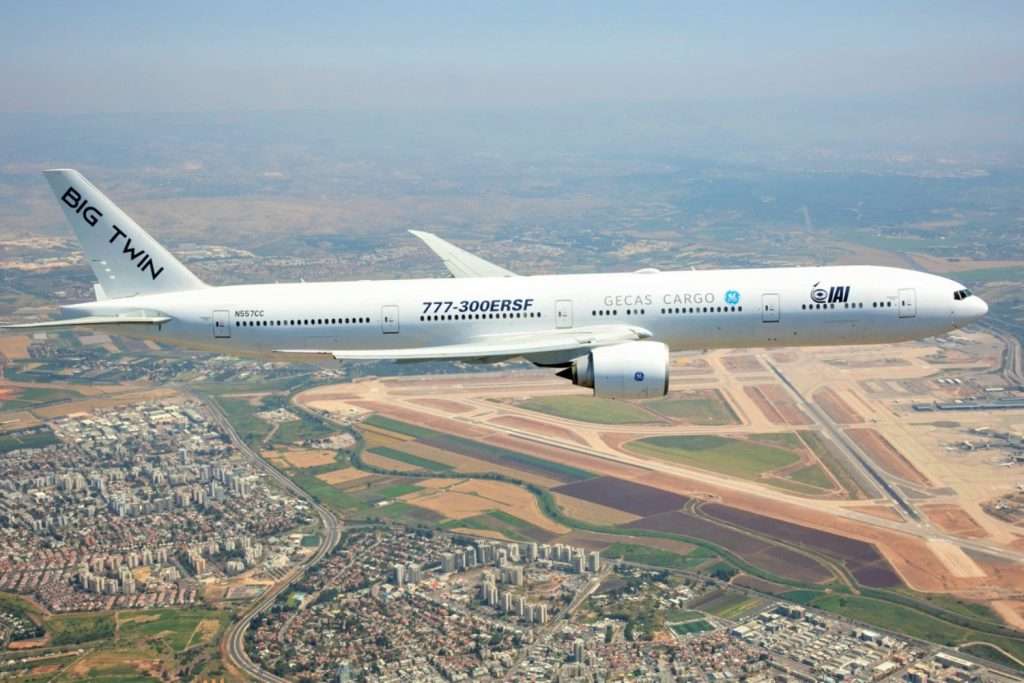
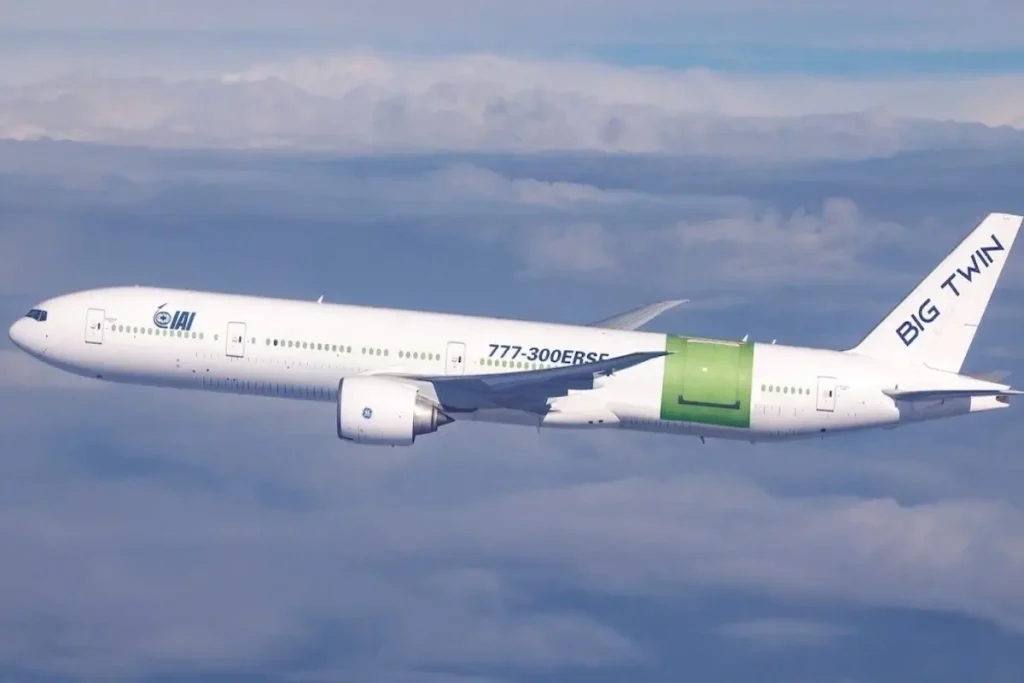
During the conversion process, the core change is the installation of a large main deck cargo door, allowing pallets and containers to be loaded onto the main deck seamlessly; however, that’s not all that must happen to get the plane ready.
IAI has to strengthen the cabin floor, which is important for supporting heavy cargo loads, and, as a result, the plane is stripped of all passenger seating, galleys, and lavatories, so that upon re-delivery it will look completely unrecognizable and like it was never a passenger plane to begin with.
The conversion also includes a new cargo-handling system with rollers, lockers, and essential fire-suppression equipment across both the main and lower decks, with the systems reconfigured to reflect that this is a freight plane, not a passenger jet.
Why Emirates Has Opted For This Conversion
The diversion of a Boeing 777-300ER passenger jet at Emirates, a true workhorse, isn’t an overnight decision; it aligns fundamentally with what has been unveiled as a multi-year strategy implemented across SkyCargo to increase capacity and maintain assets that can fly in the long term.
The agreement with IAI was signed some time ago and has now materialised, with work underway to transfer passenger 777 jets to the conversion halls before they return after decades of passenger service, ready for another purpose within the business.
Much of Emirates’ pursuit centres on the need for larger, certainly long-haul, freighter capacity due to increasing demand, while avoiding, for the moment, the need to commit to the delayed, expensive next-generation freighters that Airbus and Boeing are moving towards launching.
On the global network, these 777-300ERFS are an efficient and flexible solution for offering additional pallet positions compared to Boeing’s production 777F jets. Emirates sees this as a valuable asset, especially for valuable low-density cargo shipments among other missions.
More Boeing 777 Variants Begin Emerging?
For a series that is now firmly progressing to the 777X, the continued emergence of new iterations of older models in the broader 777 family is a testament to innovation, but also to the impact and use cases these Boeing widebodies still have as the 2020s come to a close.
The 777-300ER market is accelerating, with P2Fs increasingly appealing. That acceleration is driven by strong demand for reefer capacity on larger widebodies and comes amid a constrained supply chain that cannot readily provide solutions.
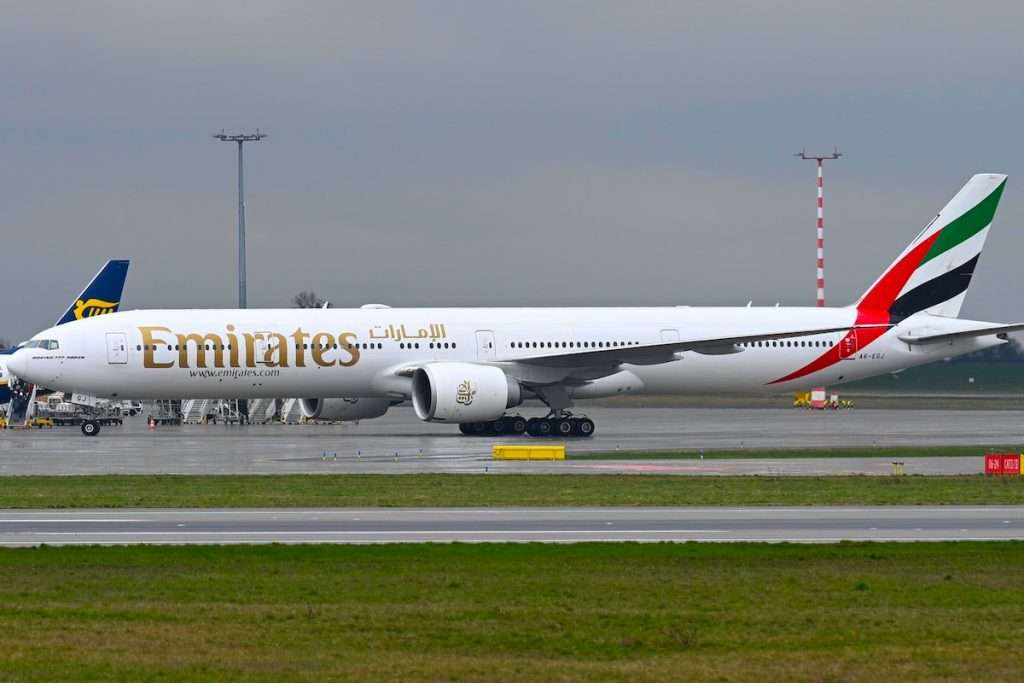
Many airlines fly the 777-300ER, and these planes can be retained even after passenger service, as they are suitable for conversions, opening the door to replacing other aging freighters more readily and to bringing down costs. At the same time, they await firmer solutions from manufacturers.
When considering the ICAO emissions regulations, the capped production output, and the need to end activity on existing fighters, these P2F programmes are appealing for their readiness and cost, whether through the -300ER or even the -200LR.

ABOUT THE AUTHOR
Daniel Fowkes is a Melbourne-based aviation analyst and journalist with over a decade of industry experience. As founder of Dj’s Aviation, he delivers trusted analysis on aircraft, airline strategy and global aviation trends for djsaviation.net
Related Articles




Stay Informed
Get the latest aviation news, analysis and route updates delivered to your inbox.
We respect your privacy. Unsubscribe at any time.
Enjoyed this story?
Make us your go-to for aviation news
Add us as a preferred source on Google and see our latest stories first in Top Stories.
Add Us On Your News FeedRelated articles
· Freight
Boeing’s 777F Production Suspended For 2 Months
Daniel Fowkes
25/10/2026
· Freight
Boeing 747-8F Grounded in Europe after Gear Collapses
Daniel Fowkes
25/10/2026
· Freight
Atlas Air Could Fly 60 Airbus A350Fs
Daniel Fowkes
23/10/2026
· Freight
Mystery Surrounds Airbus A350F Order
Daniel Fowkes
10/10/2026