
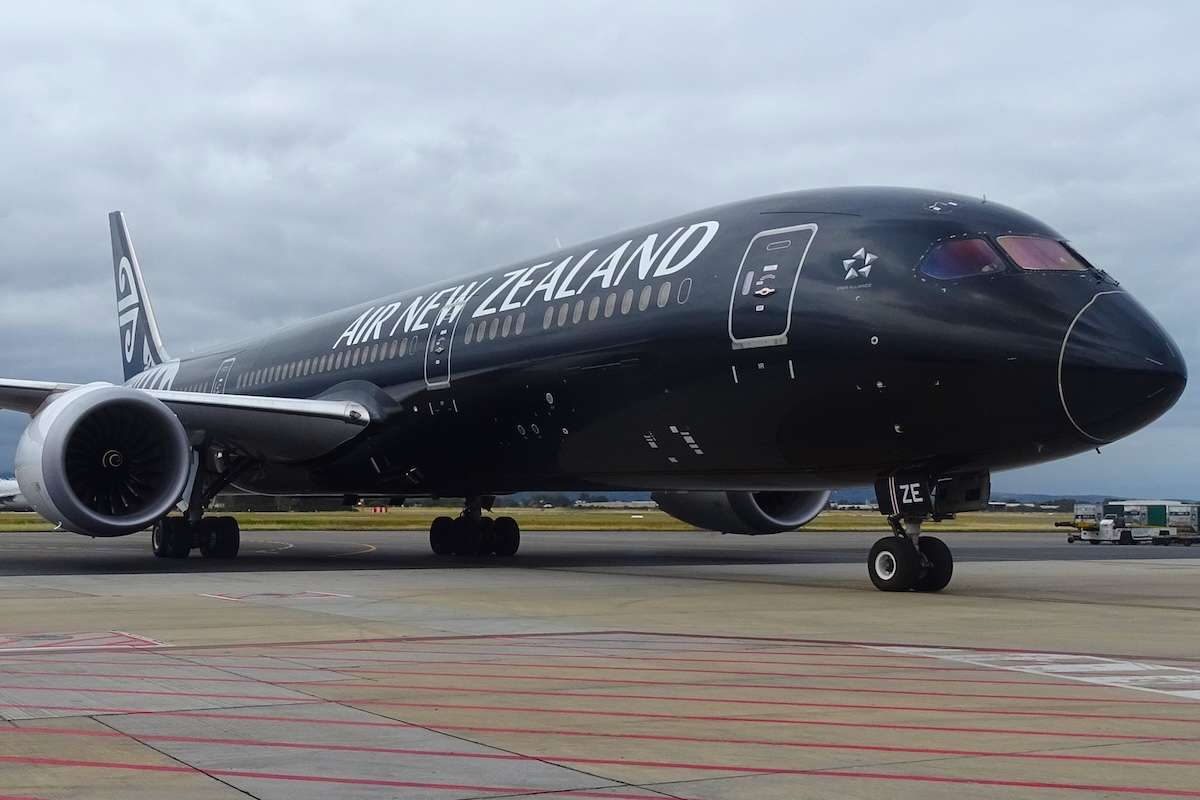
Air New Zealand has good news. The flag carrier has confirmed that it’ll finally regain access to its entire long-haul and narrowbody fleet over the next 12 months.
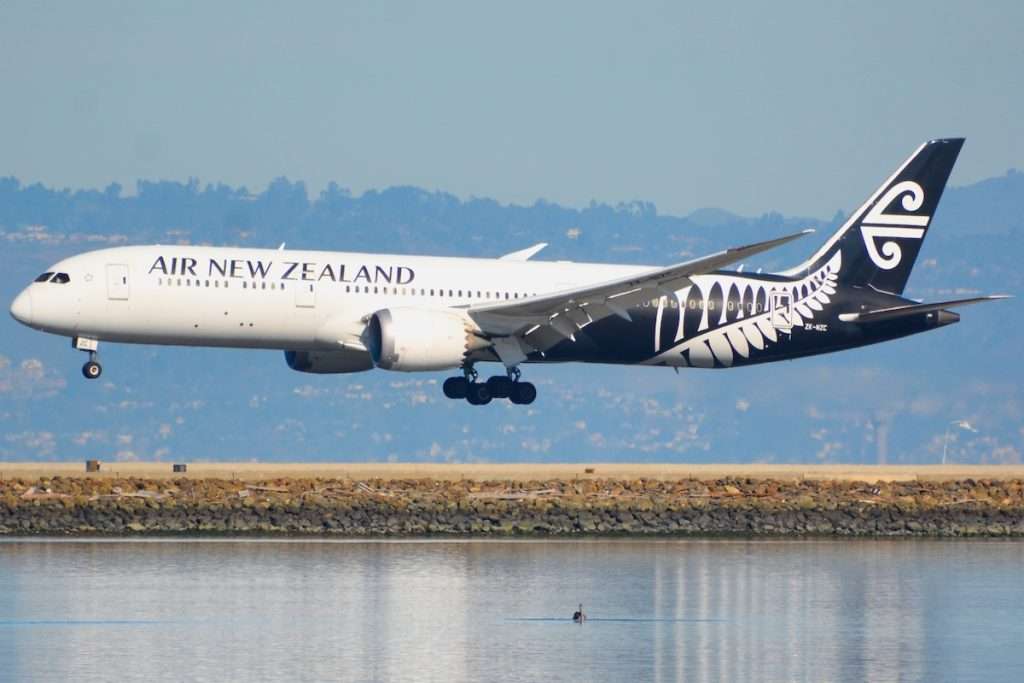
The latest developments come as part of a market update in which the airline confirmed that its 787 fleet will be fully available by late June 2026. This, aside from ongoing retrofit efforts to the existing units, which are planned.
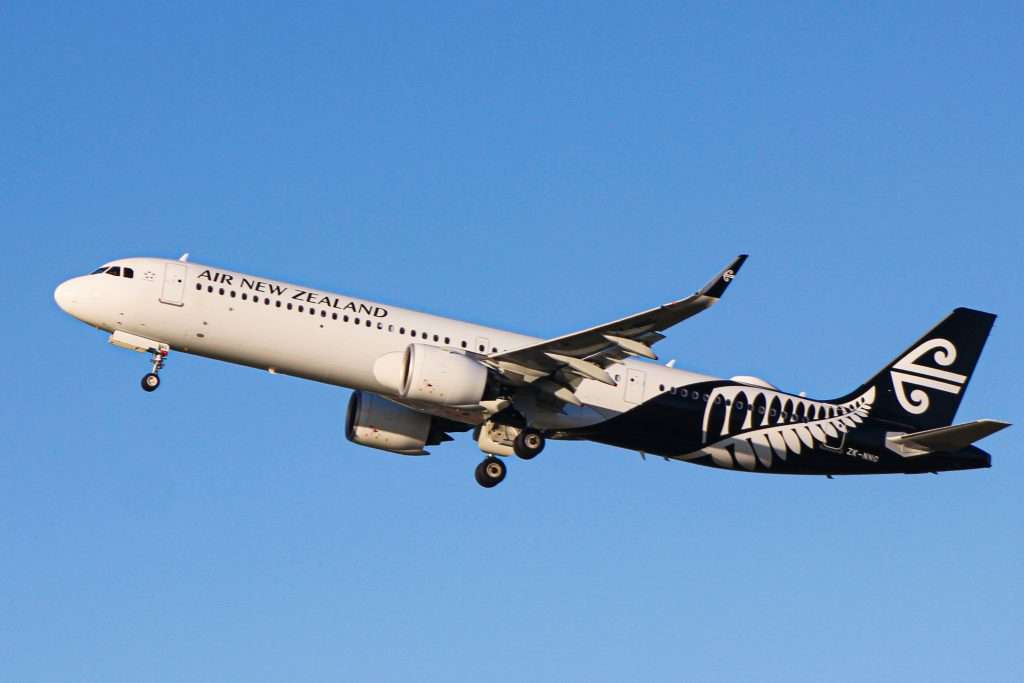
Air New Zealand’s Airbus fleet, meanwhile, which involves commitments to the A320neo family, including the high-capacity A321neo, will be made available by 2027 after they’ve encountered its fair share of reliability woes.
After years of engine and supply chain-related concerns, this market update is a positive step in the right direction for the business as it works to build, regain lost ground, and improve its margins.
Things Improve Quicker Than Expected
Air New Zealand, for now, remains cautious in its market updates and forecasts regarding the return of assets such as its aircraft, which had been battling engine woes. That cautious approach was driven by the large unknowns and questions that remain around the availability of replacements, parts, and more.
However, the flag-carrier is now comfortable confirming that its availability has improved considerably since posting its more recent interim results. With that, the headline Boeing 787 fleet will finally become more available to the business.
All Airbus aircraft, including the A320neo and A321neo fleets, are forecast to be in operation by 2027, as the maintenance backlog for jets equipped with Pratt & Whitney GTF engines begins to see progress, fixes are implemented, and they are cleared to return to service.
The airline, however, says it will still bear the cost of some leased aircraft and engines until the end of 2027. Additionally, while there is some stress in bringing its own fleet back, there are many positives, such as the strengthening of its operational resilience.
Air New Zealand also knows that the carrying costs over time will be reduced, with greater flexibility in its network to deploy efficient jets to environments where they would benefit. This is a recovery that’s also ahead of schedule, as previously the FY26 outlook was grim, and while it still is on multiple fronts, aircraft returning from lengthy spells on the ground is hard not to smile about.
A Fleet On The Ground At Air New Zealand
The scale of the grounding for Air New Zealand has been severe, and not isolated either. While some airlines may have had one type parked, for the flag carrier, multiple aircraft have seen their position worsen.
Just a year ago, the CEO Greg Foran at the time said that there were expectations of double-digit groundings across its fleet, one-fifth of planes that were next-generation jets on the ground because of engine issues, which largely affected A321neos and 787-9s.
On top of that, even in 2024, plans were made on the ground by both of these families due to constraints, significantly limiting capacity and forcing costly leases to mitigate capacity loss, but fundamentally stunting the targeted growth and harmonious passenger experience.
Root causes, certainly for the Rolls-Royce Trent 1000s on the 787-9s, have been a long-standing problem dating back nearly 10 years, when compressor and turbine blades began to deteriorate. Now, in the 2020s, further issues have kept these jets on the ground as manufacturers continue to battle supply chain disruptions without relief.
Airbus single-aisles have experienced a similar fate; the global GTF crisis with Pratt & Whitney has meant that premature inspections, a lack of availability at garages, and no spare parts and/or spare engines have grounded planes on a continuous basis for nearly three years.
The unpredictability has stunted planned growth, hindered forecasting, and affected routes, with flights at times scaled back as a result. That, taking a drag on finances as well, compounded by the economic volatility, which saw the airline pull its forecasts for the remainder of the year.
Ultimately, it has been tough for the business. The inability to have the aircraft, considered a game-changer, at its disposal for so long has hurt. This is not an airline, either, with 1,000 planes and spares at the ready. As such, profits have declined, capacity has dropped, and the business has become vulnerable to competition that is taking market share.

ABOUT THE AUTHOR
Daniel Fowkes is a Melbourne-based aviation analyst and journalist with over a decade of industry experience. As founder of Dj’s Aviation, he delivers trusted analysis on aircraft, airline strategy and global aviation trends for djsaviation.net
Related Articles




Stay Informed
Get the latest aviation news, analysis and route updates delivered to your inbox.
We respect your privacy. Unsubscribe at any time.
Enjoyed this story?
Make us your go-to for aviation news
Add us as a preferred source on Google and see our latest stories first in Top Stories.
Add Us On Your News FeedRelated articles
· Airlines
Allegiant Air Buys Six More 737-8s From Boeing
Daniel Fowkes
26/10/2026
· Airlines
Emirates vs Qatar Airways: The Gulf Superhub Rivalry Compared
Bryan Shelmon
26/10/2026
· Airlines
Riyadh Air Is Moving Away From Riyadh
Daniel Fowkes
26/10/2026
· Airlines
Emirates Isn’t Worried At All
Daniel Fowkes
25/10/2026