

airBaltic’s latest quarterly update paints a more positive picture of its long-awaited use of the Airbus A220 in its operations after years of discomfort.
The Latvian carrier has been living with disruptions to its A220 fleet stemming from Pratt & Whitney engine issues for an extended period, making it among the hardest-hit by this regional fleet type.
Now, the Latvian carrier says that no aircraft during Q1 on the ground were caused by the engine issues that have plagued the fleet type for so long, and ultimately, something it has not said for years.
Moving into the Summer 2026 peak season, airBaltic also adds that it expects engine-related grounding to be minimal, no longer requiring the drafting in of ACMI aircraft to cover capacity losses driven by fleet complications.
Years of Airbus A220 Pain for airBaltic
The core issue for airBaltic’s A220 operation hasn’t been the metrics, but rather the fleet’s reliance on Pratt & Whitney PW1500G engines and its strong reliance on the A220-300, which leaves it vulnerable to complications, as it did.
The A220 is the only family the airline flies, and with ambitions to have over 100 of this series in service by the end of the decade, it needs the aircraft to be fit and active to achieve high utilization rates across the network during peak and low-demand seasons.
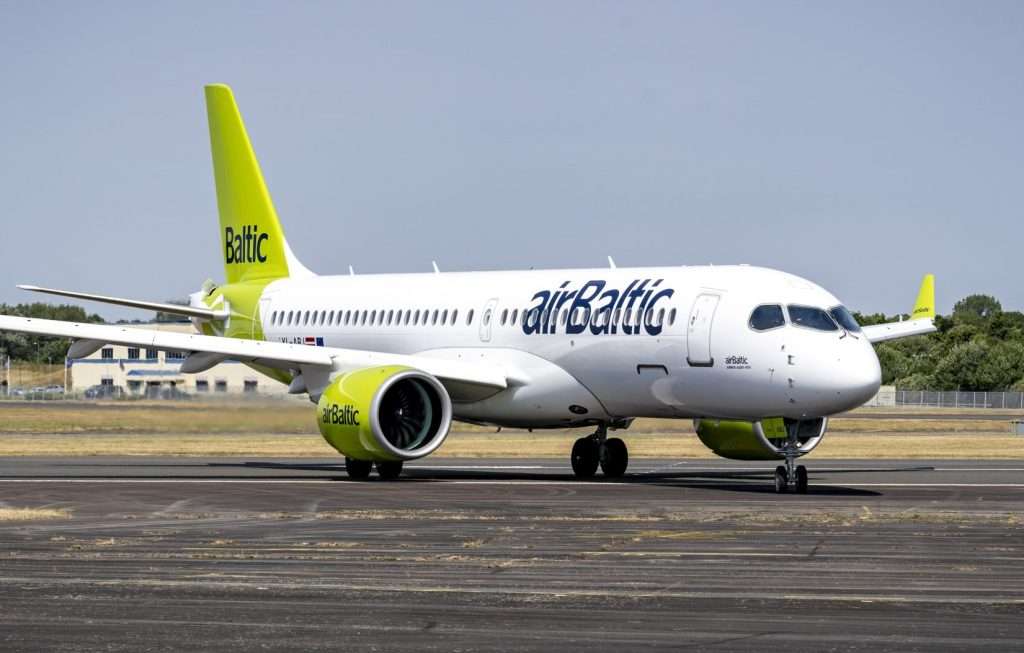
These engines have been the centre of concern and have been stretched to A320neo family jets at other airlines, with them being stripped off aircraft. This forced planes to be grounded for maintenance or inspections, leaving airlines unable to absorb the hit from ballooning costs.
airBaltic has spent years in pain, attempting to juggle persistent groundings that have hurt its network, not only grounding planes but also forcing route cuts and the addition of short-term leased jets, in turn driving up operating costs to ensure the schedule remains as intact as possible.
airBaltic said in August 2024 that engine shortages were also a problem, meaning grounded planes couldn’t have replaced engines. Then the shop visits were spurred by complaints about powered metal, the focal point of what’s gone wrong with the engines.
In Q1 of 2025, airbaltic had an average of 13 Airbus A220s on the ground, leading to a sharp reduction in capacity and a rise in operating costs. One year on, the number of these regional jets on the ground for that reason has reduced.
Passengers: The Big Winners From The Ungroundings
While airBaltic’s A220 fleet returning to normality after years of discomfort is huge for the airline’s own ability to reach profitability and grow, the passengers who use these planes are expected to be the big winners.
The immediate benefit to an ungrounded fleet is self-explanatory. Passengers can enjoy a schedule that scales with demand and a harmonious, familiar experience across a single aircraft type.

In the past, a mixed service offering was the best the business could do to lessen the blow of the A220 groundings. This mixed service driven by emergency lease coverage meant the airline could, where possible, take fewer hits on its network; however, it was still forced to cancel flights, a staggering 4,670 alone in the Summer 2025 schedule as a result.
Over the years, airBaltic’s network has been heavily affected by the groundings, not only impacting its bottom line but also naturally tripling as passengers have fewer opportunities to travel between destinations they need to reach. A more dependable schedule restores trust and ensures that airBaltic has the best chance of using its growing A220 fleet to its advantage and becoming profitable sustainably.
Big Picture: A More Stable Future Ahead?
While there have been some concerns about the airline’s business model, with Aviation Expert Toomas Peterson in 2024 saying that the model operated by the airline isn’t one that’s sustainable for the future
Peterson cited the need for investment to be profitable, noting that such a cash injection could never be guaranteed, thereby putting the Latvian carrier at risk of future economic shocks.
That said, despite criticisms, airBaltic’s opportunity now to grow and build a solid network has not been better from a fleet standpoint. With fuel costs doubling following the war in Iran, having access to A220 jets is the first step toward offering a true single-fleet type that can be scaled to enhance connectivity.
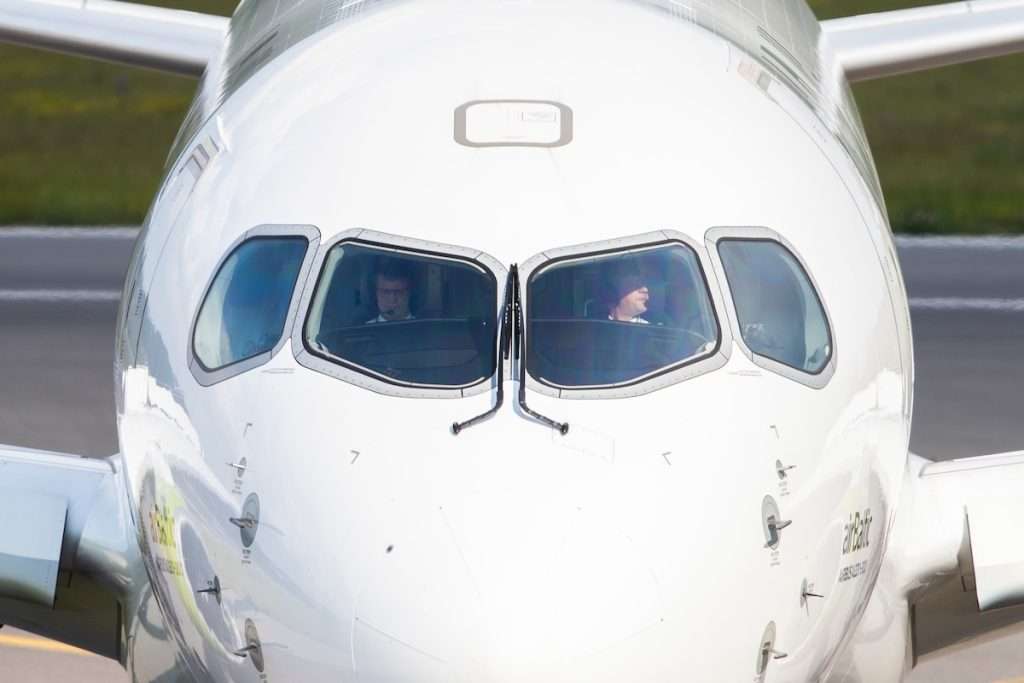
Normality is still some time away; airBaltic must also be turning a profit and ensuring losses can be plugged; the ungrounding is just one step on a long pathway to a hopeful, sustainable future that cannot be guaranteed.

ABOUT THE AUTHOR
Daniel Fowkes is a Melbourne-based aviation analyst and journalist with over a decade of industry experience. As founder of Dj’s Aviation, he delivers trusted analysis on aircraft, airline strategy and global aviation trends for djsaviation.net
Related Articles




Stay Informed
Get the latest aviation news, analysis and route updates delivered to your inbox.
We respect your privacy. Unsubscribe at any time.
Enjoyed this story?
Make us your go-to for aviation news
Add us as a preferred source on Google and see our latest stories first in Top Stories.
Add Us On Your News Feed