

Air India’s latest numbers are bad, with a $2.8 billion loss widening considerably, a loss exceeding the expectations laid out just in April of a $2.4 billion figure.
For Air India, the record-breaking loss is much worse than expected and part of a painful mix that continues to hurt the airline, from 2026’s fuel shock to the already vulnerable nature of the business following years of turmoil.
A Disaster 2026 Compounds Issues
2025 was not smooth for Air India, with a crash, aircraft groundings, safety lapses, and more investigations into the state of the business. As a result, 2026 was earmarked as a year for recovery and growth, with a focus on building for the future.
However, the war in Iran, commencing on the final day of 2026, has thrown airlines around the world into turmoil, with soaring operating costs that have meant carriers have been unable to absorb the increases as intended, especially so quickly.
With jet fuel prices more than doubling, and the continued closure of airspace in Pakistan forcing rerouting and a heavier fuel burn and fuel load towards European and North American sectors, pivotal for premium and leisure demand, the margins have been stretched thin.

The figure moving from around $2.4 billion, which was already sitting above the $1.6 billion internal estimates held in January 2026. This is a $1.2 billion gap, highlighting the true state of a damaged brand despite strong investment since the Tata Group took over.
What this shows is that Air India isn’t just bleeding on a daily basis; more than ever, it’s being forced to make changes to stop this in any way possible. Losses at this level cannot be sustained, and while there have been one-time costs this FY that haven’t helped results, losses of this magnitude are far from ideal.
Air India Forced To Respond To Losses
Air India’s moves are following not just the predicted $2.4 billion loss, but now that it has exceeded to $2.8 billion. Now, a cutback across the network is already taking place on several international flights, with routes being cancelled or frequency reduced across major ports.
Major international markets such as Delhi to Chicago, Newark, Shanghai, and Singapore are being shifted away, while frequencies to destinations like San Francisco, Sydney, Paris, and Toronto are also being reduced, with over 100 flights per week set to be axed.
For Air India, these short-term shifts aren’t permanent, nothing being irreversible, but are calculated cuts neccesary in order to push through some of the hardest times the business has seen, a decade full of volatility, poor decisions and harsh reality checks.
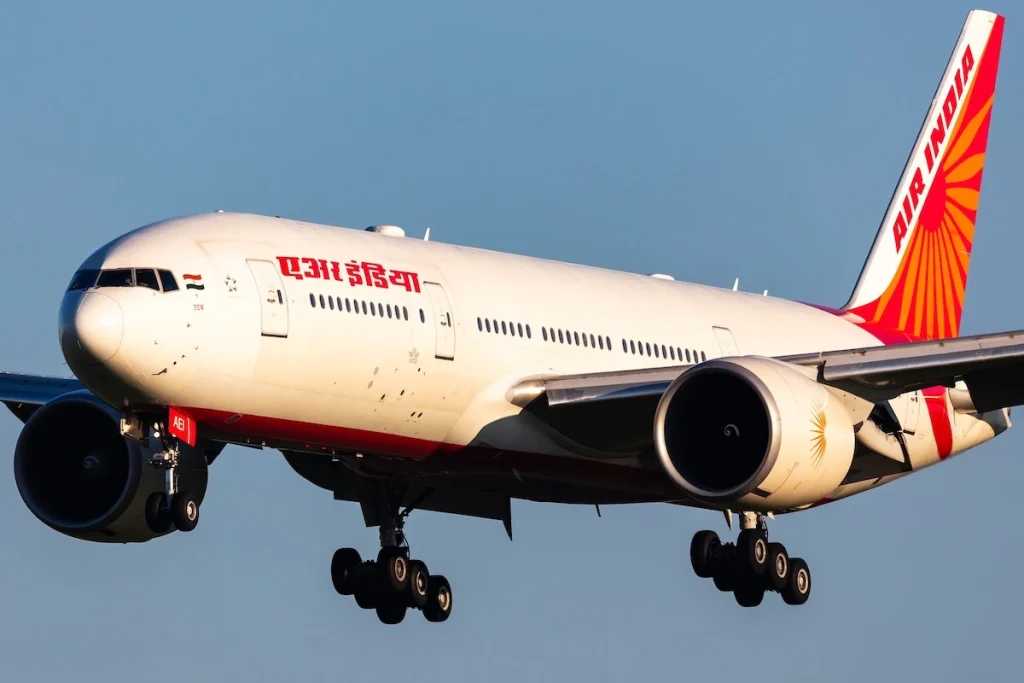
This is now a flag-carrier firmly attempting to protect its cash, not lose ground to competitors such as IndiGo, which are rapidly accelerating their own fleet and network plans on an international scale. With this in mind, Air India must take every measure to protect high-yielding routes despite the cuts.
A Turnaround Takes Another Hit
Air India’s near-$3 billion loss could never have come at a better time; however, certainly not while entrenched in one of the industry’s biggest turnaround projects in modern history. This major turnaround aims to restore the flag-carrier as both a symbol of national pride in India and an international powerhouse, meeting strong demand both within and beyond India.
Taken out of Government shackles, the Tata Group has invested heavily, changed the branding, and more in the airline to lay the groundwork for a more prosperous future, with no other alternative to ensure the business sticks around in the long term.
When also considering CEO Campbell Wilson’s departure from the airline, a man initially tasked with the turnaround of the business, stabilisation and getting this moving in the right direction, it made an already fragile business even more shaky. Tensions in 2026 have aggravated any stability that was present.
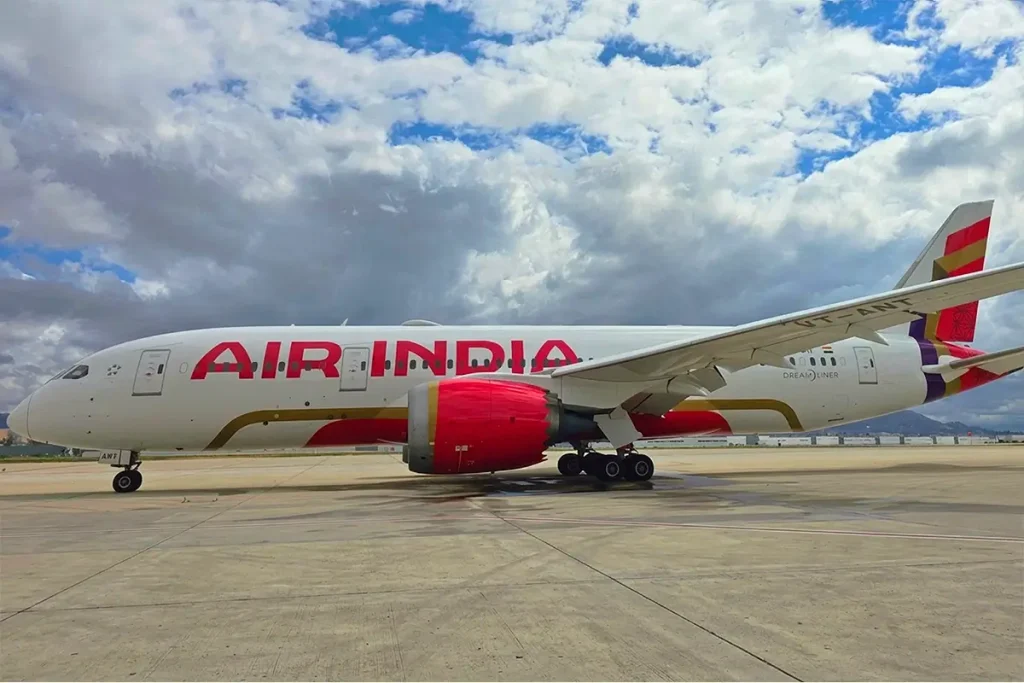
In what is already a difficult period, with much change and a lot going wrong for the business, there are silver linings, such as the debut of the first line-fit Boeing 787 with all-new cabins. Moments like these show that investment is finally being seen as more than just an idea, but an approach has to be taken elsewhere.
For the employees, this is difficult; a growing airline facing constraints and uncertainty places pressure on maintaining staff rates, with furloughing a very apparent option to battle these ongoing storms.
Now, management will continue to move forward with its turnaround efforts, albeit with a fresh roadblock and now a more defensive approach to ensure the shocks that 2026 and ultimately 2025 have thrown at the business can be absorbed.

ABOUT THE AUTHOR
Daniel Fowkes is a Melbourne-based aviation analyst and journalist with over a decade of industry experience. As founder of Dj’s Aviation, he delivers trusted analysis on aircraft, airline strategy and global aviation trends for djsaviation.net
Related Articles




Stay Informed
Get the latest aviation news, analysis and route updates delivered to your inbox.
We respect your privacy. Unsubscribe at any time.
Enjoyed this story?
Make us your go-to for aviation news
Add us as a preferred source on Google and see our latest stories first in Top Stories.
Add Us On Your News FeedRelated articles
· Airlines
Allegiant Air Buys Six More 737-8s From Boeing
Daniel Fowkes
26/10/2026
· Airlines
Emirates vs Qatar Airways: The Gulf Superhub Rivalry Compared
Bryan Shelmon
26/10/2026
· Airlines
Riyadh Air Is Moving Away From Riyadh
Daniel Fowkes
26/10/2026
· Airlines
Emirates Isn’t Worried At All
Daniel Fowkes
25/10/2026