
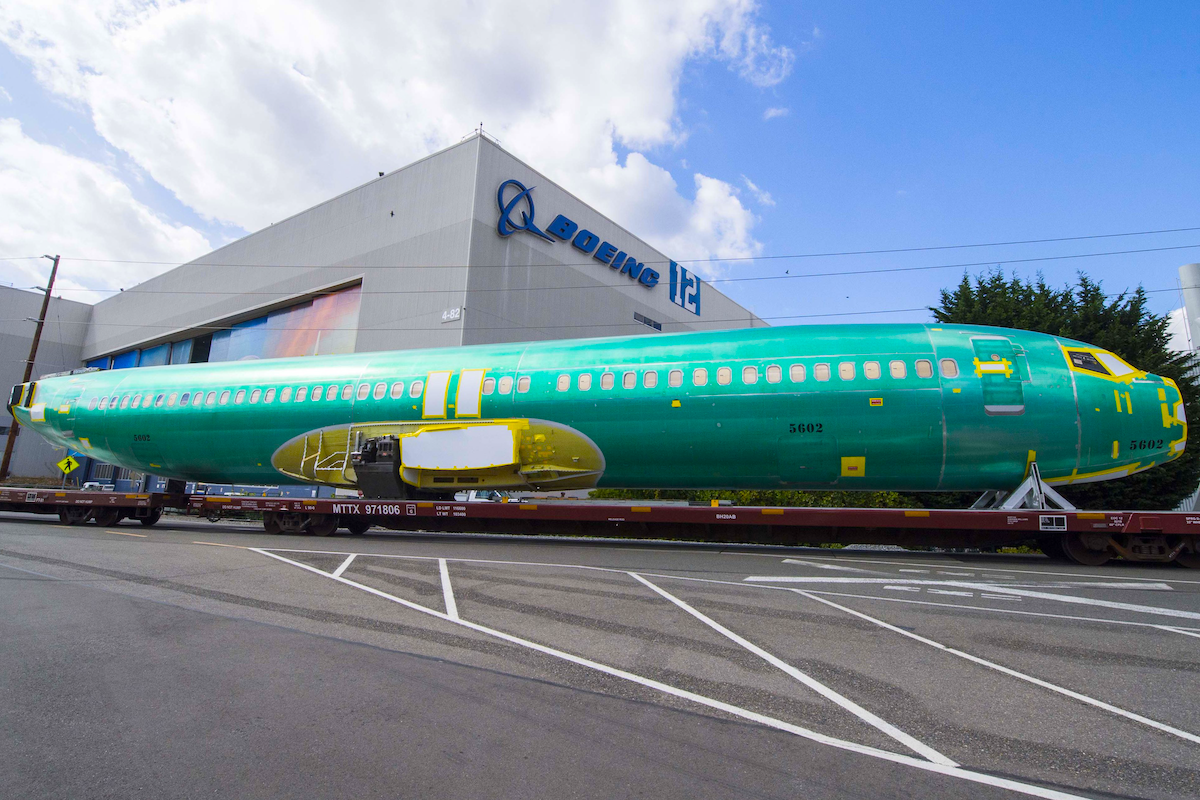
Boeing is moving forward internally on its next single-aisle aircraft, with a prospective entry into service in the mid to late-2030s.
The new aircraft, which would slot into the upper end of the narrowbody market and be pitched as a capacity solution for future decades, will see prep work commence in 2027. Focus rests on conventional tech rather than radical redesigns, amid both Airbus’ own success and the complexities of certification and implementation.
The Wall Street Journal/Bloomberg broke the story as part of Boeing’s ongoing efforts to rebuild, innovate, and close the gap with its competitor, Airbus, which gained an edge by releasing the A320neo ahead of the MAX.
That race forced Boeing to rush its latest 737 in favour of sales over quality, which ultimately led to its demise, fatal accidents, and lawsuits from customers such as LOT Polish Airlines over damages.
The NMA Revival In A Post-Crisis Era
Boeing’s NMA concept, dubbed the 797, emerged long before it was intended to be a solution for the 737 MAX. In the mid-2010s, it was seen as a 220-270-seat aircraft that would adequately bridge the gap between single-aisle aircraft such as the 737 and the 787.
In essence, a next-generation jet with a more efficient base and a clean sheet base that would aim to solve the 757/767 replacement dilemma at some airlines that hadn’t decided on the 737 MAX or 787, and counter the sales pushes seen at Airbus in this highly lucrative sector, as per analysts.

However, this jet’s end point was reached before the turn of the decade, when, in 2019, following two fatal 737 Max accidents, Boeing’s most important plane was grounded. As a result, all resources were diverted away from prospective projects and put into fixing the popular single-aisle.
As the COVID-19 pandemic arrived, the 777X was delayed, 787 quality issues emerged, and the 737 MAX itself remained grounded, with further quality issues arising, production rates capped, and more. This complex environment, filled with annual losses, presented an unattractive market in which to proceed.
Now, under the leadership of Kelly Ortberg, who has been at the forefront of recovery efforts, internal studies are ramping up for the next new aircraft.
The New Jet Looks To Respond To Airlines Needs
From early reports, this new Boeing aircraft would be positioned more closely to the 737-10, the current highest-capacity model in the 737 MAX program, and, while battling certification woes, it has capacity as a selling point, similar to Airbus’ A321neo.
The mid-sized evolution, as it’s being pitched, wouldn’t serve as a sole 737 replacement, thereby fueling further discussion about the return and ongoing need for an NMA-type aircraft to fill point-to-point markets globally, but with more capacity.
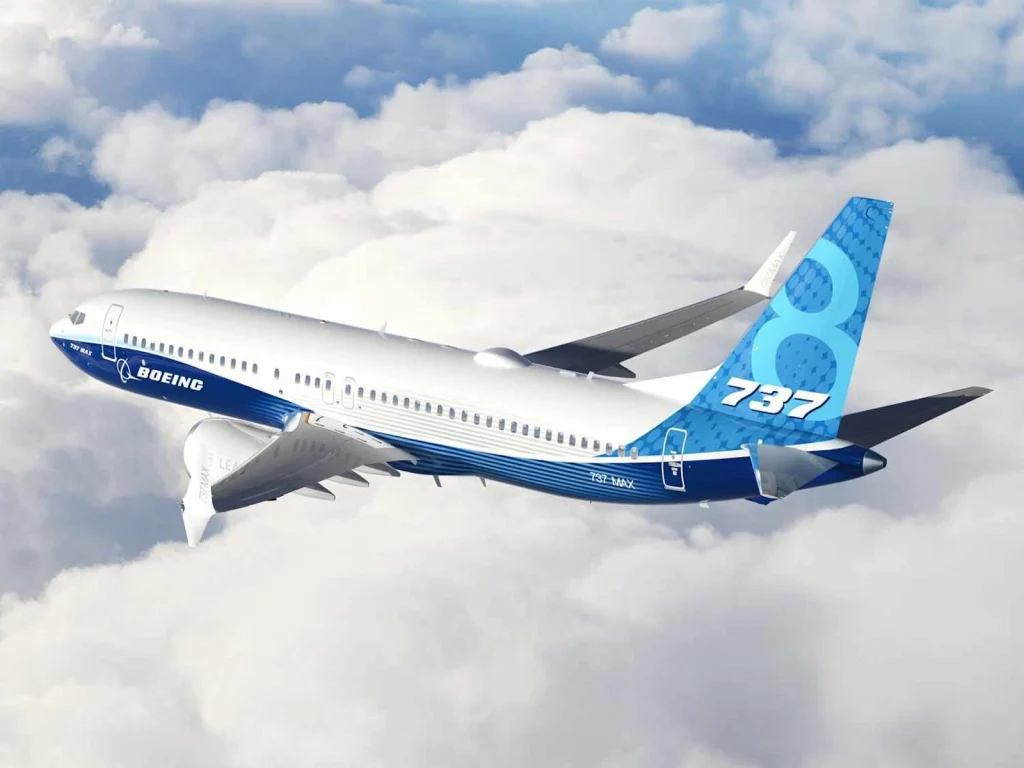
Conventional tube wing designs, with advanced materials and the option to adopt SAF-ready engines to meet sustainability targets, are part of efforts to comply with regulatory emission goals. This is to ensure that, if and when launched, this platform promises gains over previous-generation aircraft, making it a worthwhile purchase.
For now, internal studies are expected to continue, with a hopeful entry into service in the mid- to late 2030s. Timelines, however, are not final, nor is the release of the aircraft, but something of repeated interest following heavy reporting in the last 12 months on the movement of a new plane.
Why Boeing Needs A New Aircraft
Boeing’s 2030s need to be better than its 2020s; this decade has been filled with problems stemming from decisions made over the last 10-15 years that prioritized speed and financial gain over safety in aircraft operations.
As a result, Boeing urgently needs to get its next aircraft right, not just for its own financial and reputational gain, but to fundamentally counter the success Airbus has enjoyed with its A320neo family derivatives, including the sustained dominance of the A321neo.
The A321neo accounts for more than half of the narrowbody backlog each year, eroding the market share Boeing once held. With the 737’s design rooted deep in the previous century, aging technology, regulatory scrutiny, and customers’ need for a fresh solution have created demand for a new type of plane.
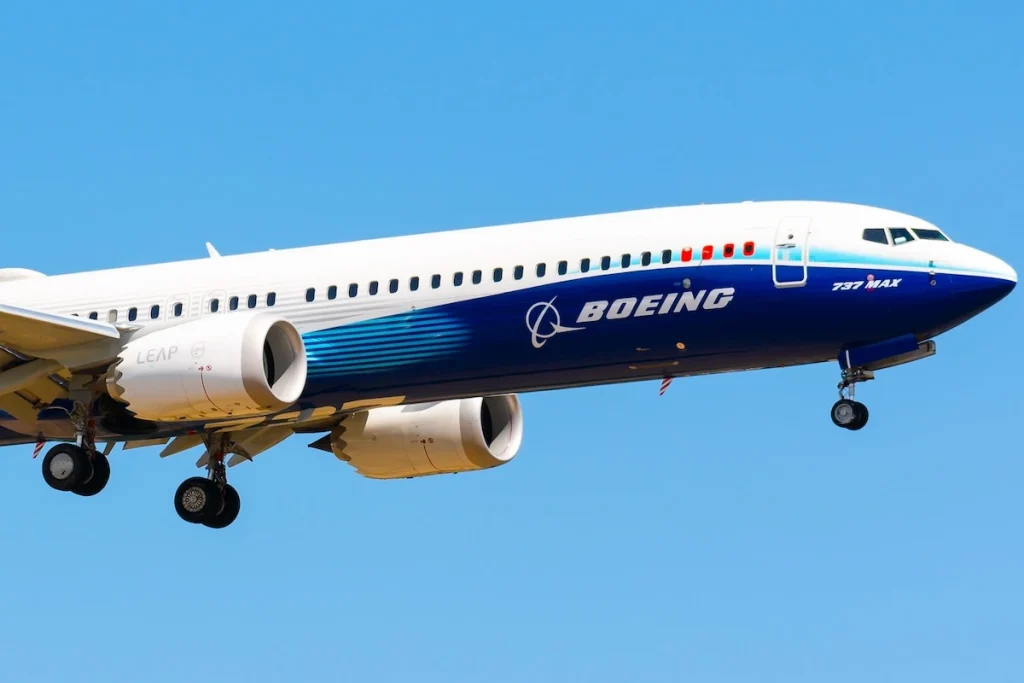
Boeing 737 MAX10 (N27751) landing in Seattle – Photo: Dario Duque Gomez / shutterstock
Following the 737 MAX crisis, Boeing has learnt much and is working to rebuild its reputation. Next on the list is countering the A321XLR, responding to airlines that need new planes on mid-sized routes and putting forward a safe and compelling solution.
As Airbus also targets a new aircraft release for the 2030s, echoes of the past and a race to the A320neo/737 MAX decision can come back to haunt the American planemaker. Therefore, it’s imperative to secure market share, financial gain, U.S. jobs, customers, and more that internal studies further advance over a new jet.

ABOUT THE AUTHOR
Daniel Fowkes is a Melbourne-based aviation analyst and journalist with over a decade of industry experience. As founder of Dj’s Aviation, he delivers trusted analysis on aircraft, airline strategy and global aviation trends for djsaviation.net
Related Articles




Stay Informed
Get the latest aviation news, analysis and route updates delivered to your inbox.
We respect your privacy. Unsubscribe at any time.
Enjoyed this story?
Make us your go-to for aviation news
Add us as a preferred source on Google and see our latest stories first in Top Stories.
Add Us On Your News Feed