
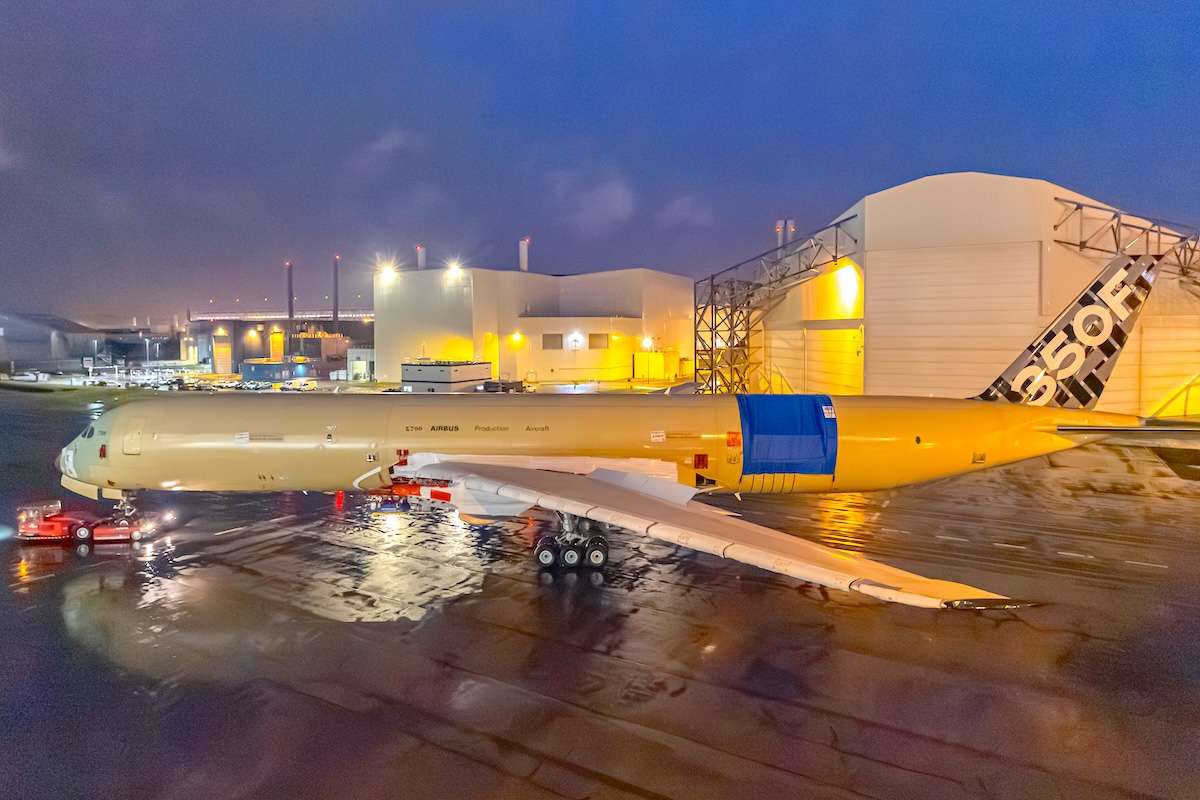
Airbus is moving the A350F towards practical testing, with a new milestone being reached on the path to first flight, certification, and entry into service.
The planemaker is validating the freighter’s cargo loading system, specifically the main deck door actuation, which is one of the more distinctive features.
With the A350F, the answer to the future of long-haul cargo flying, and to be pitted against the Boeing 777-8F, which is also upcoming. Airbus knows how important this aircraft will be to its future as it seeks to disrupt the stronghold its competitor has long held in this sector.
The jets’ 20% lower fuel burn than older-generation freighters aims to drive down operating costs for cargo customers. These customers will need to advance their fleet mix towards next-generation jets to meet sustainability targets that will become tougher over time.
Airbus Ramps Up Ground Testing
The new update from Airbus centers on the more cargo-specific systems that are featured on the upcoming A350F. The main deck cargo door is a primary focal point, with its loading mechanism built into the floor.
These systems have been adapted from a passenger jet; they’re not just routine, and, as they’re integral to the freighter aircraft’s ability to fulfill its purpose, they need to be tested from the ground up.
As part of those comprehensive ground tests that will, if successful, pave the way for a first flight, Airbus must ensure that the doors open and close properly and that the latches and locks function correctly.
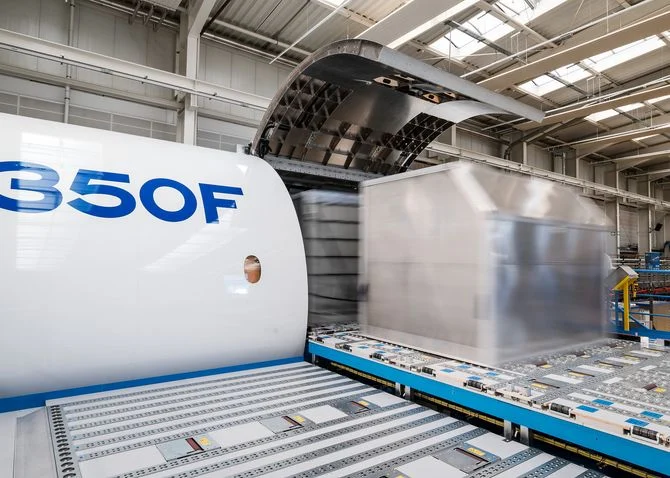
Per Jürgen Ruckes, the Cargo and Door Testing Leader, the door is always set to shut off during flight, and as a result, there needs to be assurances that this system remains locked and secured during testing phases. Airbus must comply with the airworthiness requirements set out by the EASA certification programme.
Beyond that, Airbus is also looking at the aircraft’s sensors, warning systems, and other attachments that make up this section, which is heavily modified compared to the typical A350 passenger model.
All this also follows the completion of the main deck cargo door from Spain to Toulouse, where it was integrated into the first test aircraft of the A350F, which will then be completed by a secondary frame, with the two test subjects meeting certification requirements.
Validation Of The Airbus A350F Continues
Testing ultimately extends just beyond the door; many other components have been modified on the outside of the aircraft. The planemaker must verify compliance before flying can be greenlit, even for basic air testing.
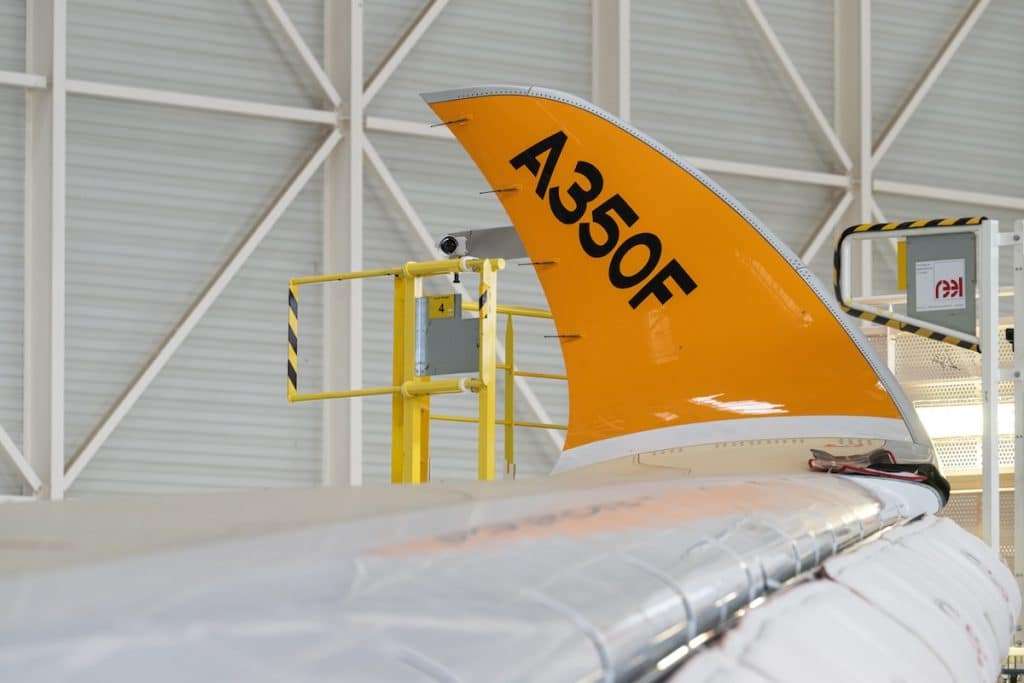
Airbus flags the likes of its cargo loading system, drag performance, onboard systems that monitor key aspects of the aircraft, protection against tail tipping, and other areas highlighted by a further 1,300 wires from the cockpit. Thanks to this, the business can enable automated testing to reduce overall production and inspection times.
The A350F Goes Electric
The A350 family already has a philosophy focused on electrification, so it made sense that the new MDCD opening and closing mechanisms would be electric rather than standard hydraulic.
This means Airbus can avoid the need for hydraulic fluid lines to the door and also minimise the required space, thanks to the Geared Rotary Actuators that open or close within 60 seconds.
This mechanism is new as well; it’s based on an Airbus patent and thus is being used for the first time on a freighter. The benefits Airbus flags are savings in space, weight, and cost, as well as a reduction in the number of parts compared to the current system.
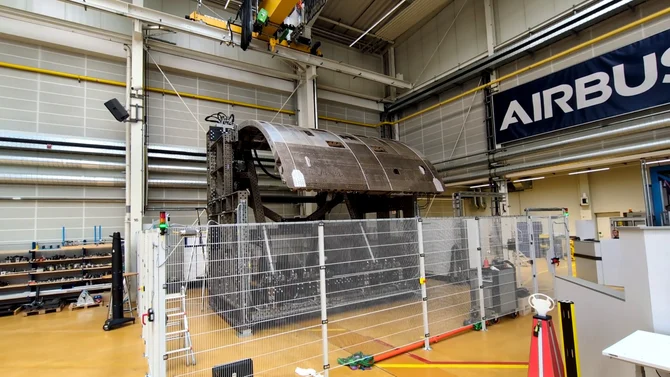
All this culminates in a demonstrator comprising a frame that weighs almost 20 tonnes, on which the test door of such focus serves as the proving ground for the largest cargo door, featuring a 170-inch-wide clear opening and based on the innovation of Airbus’ all-electric pursuit.
The repeated opening and closing of the door under various simulated structural loads validates the electric actuators, which are replacing the more traditional hydraulic ones, and demonstrates that the systems are fit for operation under any circumstances.

ABOUT THE AUTHOR
Daniel Fowkes is a Melbourne-based aviation analyst and journalist with over a decade of industry experience. As founder of Dj’s Aviation, he delivers trusted analysis on aircraft, airline strategy and global aviation trends for djsaviation.net
Related Articles




Stay Informed
Get the latest aviation news, analysis and route updates delivered to your inbox.
We respect your privacy. Unsubscribe at any time.
Enjoyed this story?
Make us your go-to for aviation news
Add us as a preferred source on Google and see our latest stories first in Top Stories.
Add Us On Your News FeedRelated articles
· Freight
Boeing’s 777F Production Suspended For 2 Months
Daniel Fowkes
25/10/2026
· Freight
Boeing 747-8F Grounded in Europe after Gear Collapses
Daniel Fowkes
25/10/2026
· Freight
Atlas Air Could Fly 60 Airbus A350Fs
Daniel Fowkes
23/10/2026
· Freight
Mystery Surrounds Airbus A350F Order
Daniel Fowkes
10/10/2026