
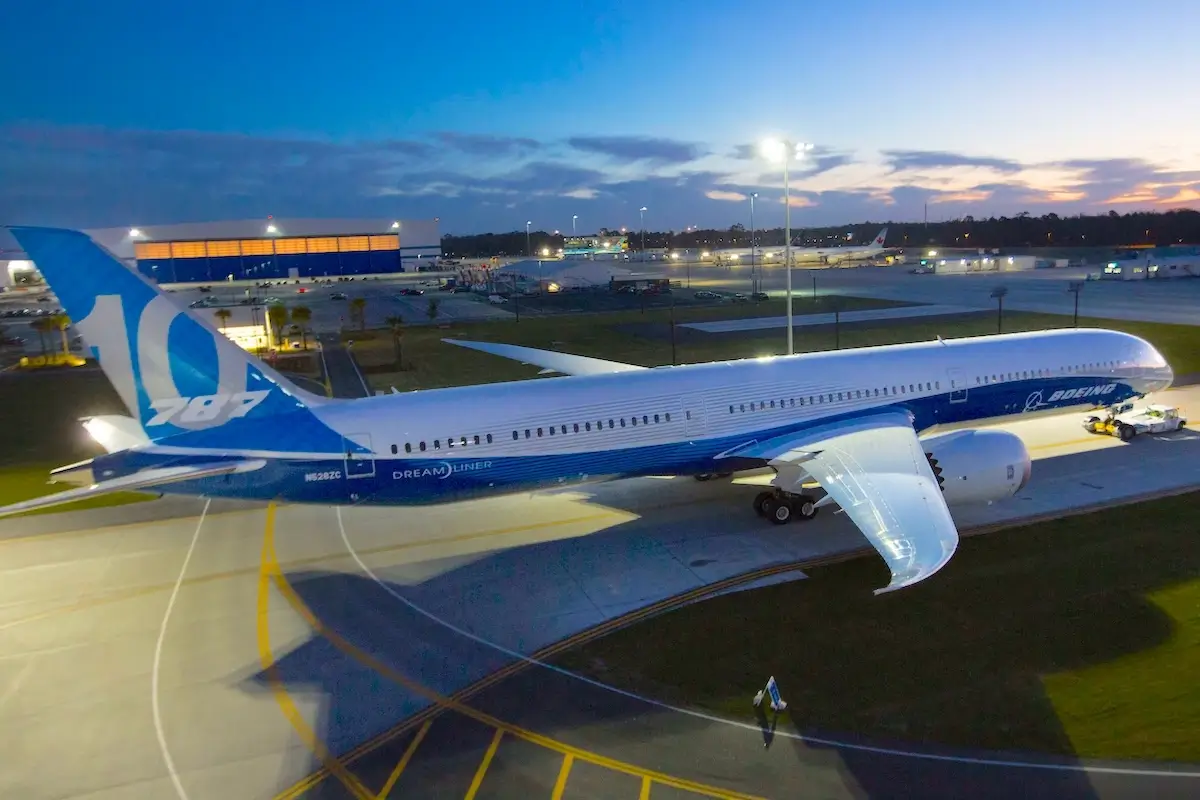
A large order for Boeing aircraft is under fire amid growing criticism that the purchase of new jets comes at the wrong time for the customer.
Bangladesh has long outlined its need for new planes to help transform its economic agenda, develop Biman Bangladesh Airlines’ fleet, and meet demand in the coming decade.
However, as the deal nears formal completion, the country is facing strong criticism, with fresh reporting indicating that it would add further liabilities at a time that would compound economic pressures.
Biman’s Drive For New Boeing Aircraft
Negotiations for the purchase of new Boeing planes have been ongoing for some time between the plane maker and Bangladesh, with the aircraft heading towards Biman.
Initially, Bangladesh flagged the need for more than 30 new aircraft to overhaul the fleet. Now, fresh reporting suggests a deal will be formally signed by the end of the purchase, and 14 aircraft will be ordered, a mix of the 787 and 737 MAX for single-aisle and widebody operations.

A contract has long been discussed; however, at the beginning of the year, at the airline’s Annual General Meeting, the airline confirmed that it had approved a decision in principle to purchase 14 aircraft from Boeing, but negotiations still needed to be completed before a formal announcement can arrive.
That contract for 14 planes is likely to include eight 787-10s, the high-capacity variant, and two mid-range 787-9s. Additionally, four 737 MAX 8s will be delivered to renew the short to medium-haul angle of the operations.
But Now There’s Pushback
Significant aircraft orders, regardless of investment from a country such as Bangladesh, are always expected to be subject to scrutiny. However, this specific commercial aircraft order, which has been in the works, is facing heavy scrutiny for many reasons.
Bangladesh, as a country, isn’t well-positioned; in fact, there’s significant pressure on its current shortages of fuel, gas, and electricity, which impact many industries critical to the people who call this region home.
The country has also implemented cost-cutting measures as part of efforts to reduce spending and reposition Bangladesh for the future. As such, a significant new aircraft order, which comes with a hefty price tag, is seen as a contradiction to the angle held on the government with generalised spending.
Bangladesh Hits Back At Boeing Order Concerns
Bangladesh, despite pushback for spending given the country’s current position, believes the Boeing deal is one that has broader ramifications than just benefiting the people and the national airline in the coming decades, more so, it surrounds trade ties with the United States.
Many countries have sought to limit the impact of tariffs imposed on them by signing new deals with the Trump adminsitration over the last 16 months, and, more often than not, those deals include new aircraft from Boeing, a U.S. manufacturer.

Airbus has already voiced its displeasure over this playing a role in the agreement of new planes, having put forward its best proposition to Bangladesh for their pursuit of 14 to 30 new planes; however, being turned down, pushing back and indicated that the country should pick the best choice based on aircraft, not politics.

ABOUT THE AUTHOR
Daniel Fowkes is a Melbourne-based aviation analyst and journalist with over a decade of industry experience. As founder of Dj’s Aviation, he delivers trusted analysis on aircraft, airline strategy and global aviation trends for djsaviation.net
Related Articles




Stay Informed
Get the latest aviation news, analysis and route updates delivered to your inbox.
We respect your privacy. Unsubscribe at any time.
Enjoyed this story?
Make us your go-to for aviation news
Add us as a preferred source on Google and see our latest stories first in Top Stories.
Add Us On Your News Feed