

Air India is facing a possible 15-20% cut in international flights, hot on the heels of its $2.4 billion FY26 loss, driven not just by soaring fuel costs but also by geopolitical disruptions.
Sources indicate that Tata Group, under the guidance of the airline it now owns, Air India, is looking to optimise its network and reduce weight by possibly trimming 100 daily flights.
The talks are likely to take place as early as the May board meeting, where key parties will come together to examine the best way forward for this flag-carrier as it seeks to cut costs and regain some financial stability amid one of the most ambitious turnarounds in aviation history.
Air India, only just in the last week, saw its service to Canada reduced, flagged by aeroroutes.com. Flights to Vancouver and Toronto for Northern Summer 2026 will be reduced and are likely to be the first pillar of sweeping changes.
If agreed upon, flights across the Air India Group would be cut, and a razor-sharp focus has been placed on international flying, where key markets would face deeper scrutiny.
Why International Flight Cuts?
While Air India and its Group operate a mega international and domestic network, the former has been a strong focus, especially this year, as rising costs are impacting the bottom line across many routes and making previously viable routes unprofitable.

Not just the doubling of jet fuel prices following the outbreak of conflict in Iran and its cascading effects across the Middle East, which has affected Air India’s ability to serve this region, with flight suspensions confirmed. Furthermore, international flights require longer crew hours and higher expenses, thus necessitating more crew, fuel, and greater aircraft utilisation in terms of distance covered.
The redeployment, specifically across international routes, has therefore become a major focus of the expected changes, with strong performance simply being eroded.
Air India flies globally, and its network expects to receive hundreds more aircraft in the coming decade; however, services to Europe and North America are likely to be among the proposed reductions, whether necessitating the complete removal of markets or a scaleback of weekly services.
What Does This Mean For The Airline & Passengers?
Air India would view the changes to its network, if actioned, not as a collapse of strong growth plans, but as a short- to medium-term response to the completed operating environment. This directly contributed to the threat to the bottom line amid a loss-making year, where internal and external crises pushed losses $800 million above expectations to $2.4 billion.
Ultimately, a reduction in service can have as many benefits as drawbacks, and for an airline entrenched in turnaround efforts that have been more complicated than imagined, it eases the bleeding on a day-to-day basis, allowing for adequate responses to volatility.
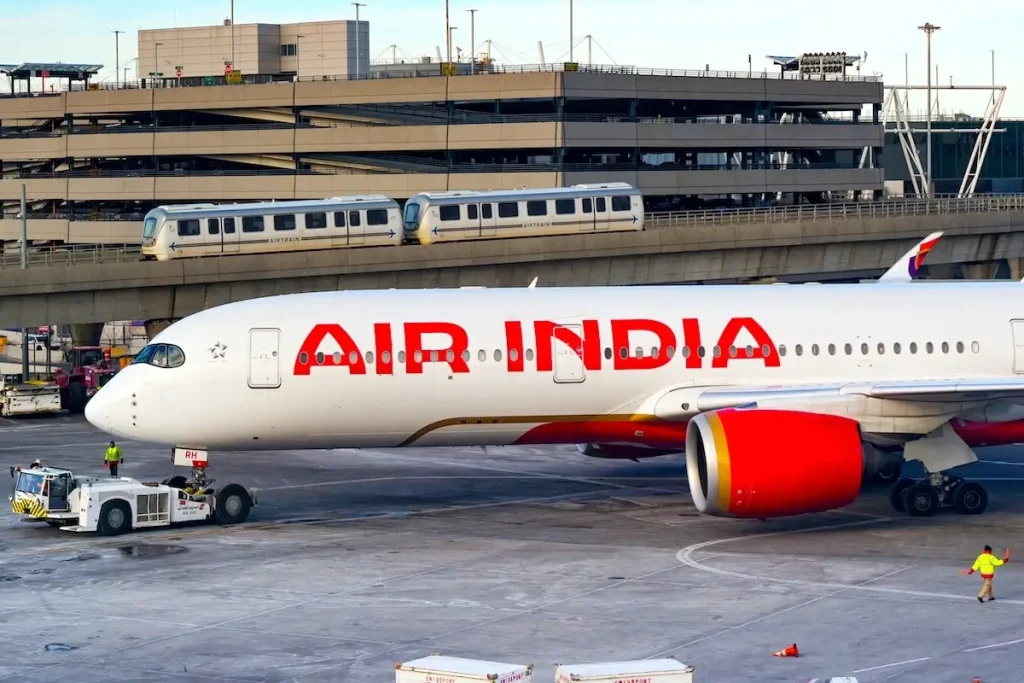
For passengers, fewer flights will take effect during the peak Northern Summer 2026 schedule, with India being one of the fastest-growing destinations globally and, as flagged by IndiGo, a country that requires more widebody aircraft than are currently in service or on order to meet demand. However, being profitable/sustainable as a business is another equation many are struggling to bridge the gap to.
Fewer options can lead to short-term pain, with fare increases and required connections for flights if nonstop alternatives are not provided. A more complicated flightpath driven by the Middle East conflict could push affected customers towards competitors.

ABOUT THE AUTHOR
Daniel Fowkes is a Melbourne-based aviation analyst and journalist with over a decade of industry experience. As founder of Dj’s Aviation, he delivers trusted analysis on aircraft, airline strategy and global aviation trends for djsaviation.net
Related Articles




Stay Informed
Get the latest aviation news, analysis and route updates delivered to your inbox.
We respect your privacy. Unsubscribe at any time.
Enjoyed this story?
Make us your go-to for aviation news
Add us as a preferred source on Google and see our latest stories first in Top Stories.
Add Us On Your News FeedRelated articles
· Airlines
Allegiant Air Buys Six More 737-8s From Boeing
Daniel Fowkes
26/10/2026
· Airlines
Emirates vs Qatar Airways: The Gulf Superhub Rivalry Compared
Bryan Shelmon
26/10/2026
· Airlines
Riyadh Air Is Moving Away From Riyadh
Daniel Fowkes
26/10/2026
· Airlines
Emirates Isn’t Worried At All
Daniel Fowkes
25/10/2026