
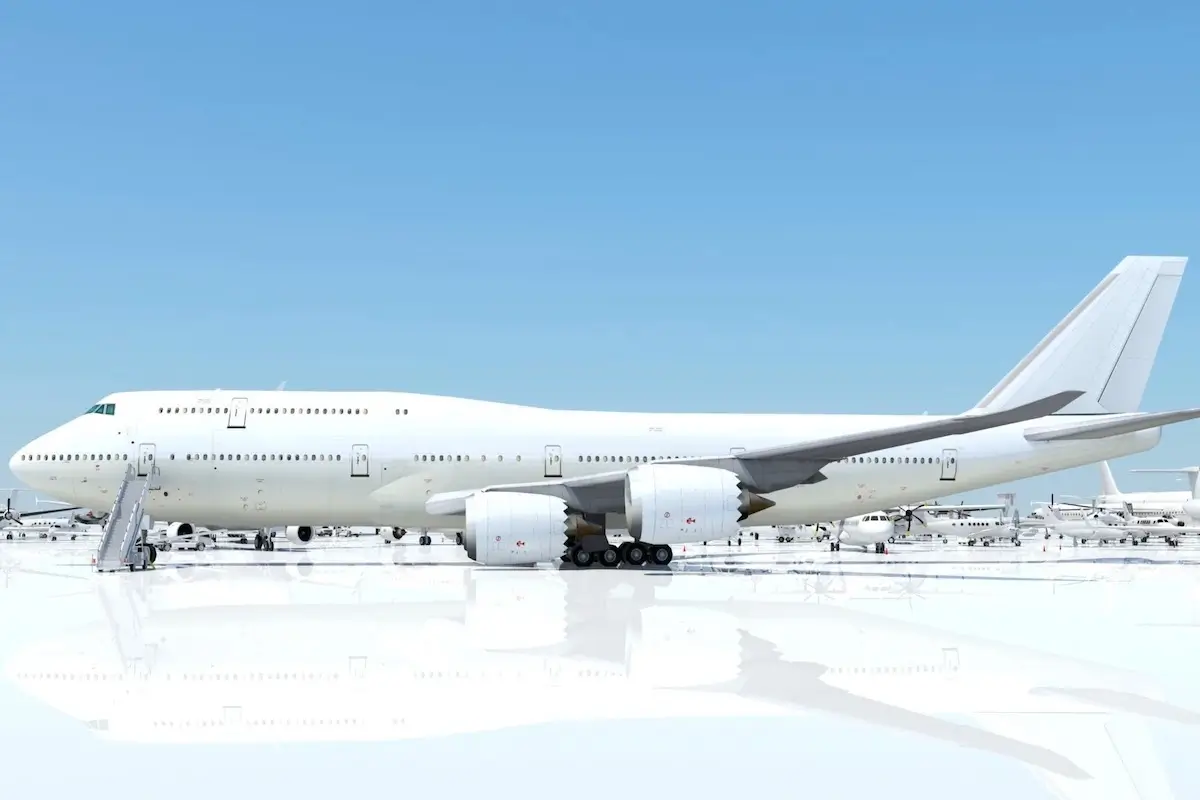
For a brief moment in the 1990s, Boeing tried to imagine a much bigger and more capable future for its iconic 747 program.
The 747-500X and 747-600X, as they were known, were models that, while never built, were studied and arrived at a turning point in the history of the queen of the skies.
The emergence of the jets is directly traced back to a period where the American planemaker knew it needed to do everything in its power to keep the Queen of the Skies going against ever-rising competition and a rapidly changing industry.
The Boeing 747 At Its Peak
The original Boeing 747 entered service in 1970 after first taking to the skies in 1969. It’s a model that fundamentally transformed long-haul travel by bringing jet travel to more people than ever before and opening up the world in the process.
Over the decades, as technology progressed, Boeing refined the design through variants such as the 747-200, 747-300, and eventually the 747-400, which became the most-produced version of the family, with over 600 of the model built.

The success of this variant mattered because, despite it coming years after the first iteration’s launch, it showed that there was still an appetite among airlines for a larger four-engine airliner that carried them into the 1980s and 1990s.
But with that interest still evident, there were internal questions about whether the manufacturer could evolve the queen of the skies one last time, or if it was an aircraft starting to lose its competitive edge.
Boeing Pushes For More Efficient Jets
Decades after the launch of the Jumbo jet, airlines were under pressure to cut unit costs, all the while seeing travel demand continue to rise, meaning they needed the perfect match of capacity and efficiency, relying on planemakers to put forward a solution.
For Boeing, the theory was that if they could leverage the 747’s already strong reputation and improve efficiency, range, and capacity, it would be a hit with these airlines and allow the jet to compete with some emerging widebodies and respond to shifting industry dynamics.
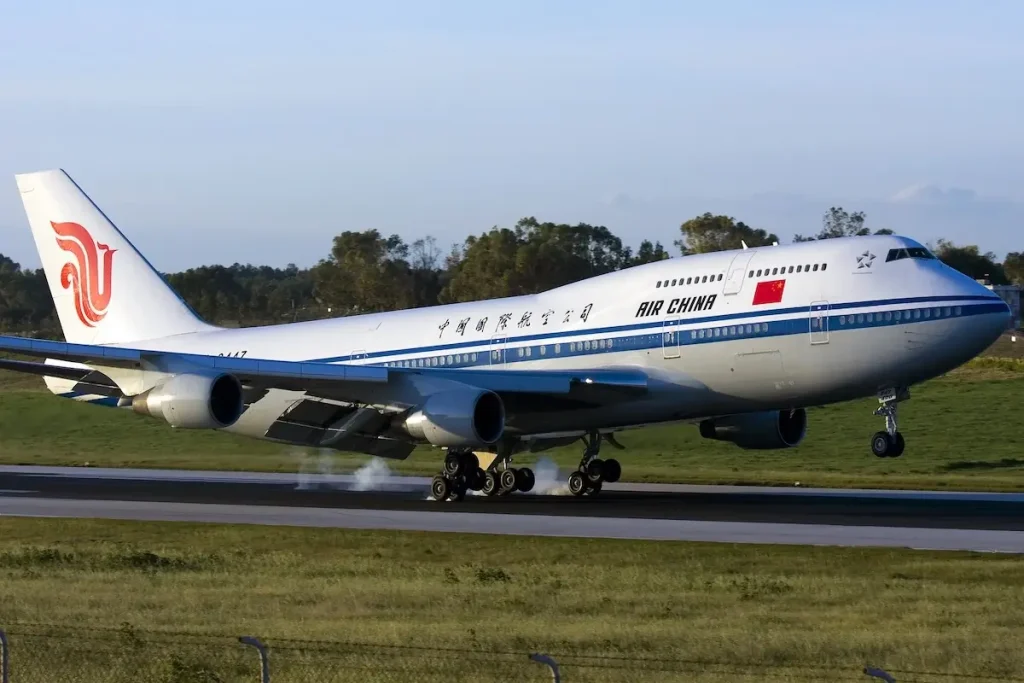
This was an era when aircraft manufacturers were thinking more than ever about longer-range jets that also offered greater capacity. For Boeing itself, the success of the 777 was a clear indication of where the industry was heading.
However, the business felt it was imperative to keep the jumbo jet alive, not leave it behind, and instead take lessons from other platforms and apply them to the existing airframe, with further advancements.
Intrdoducing the 747-500X and 747-600X
Boeing unveiled the conceptual designs for the -500X and -600X at the 1996 Farnborough Airshow, with both concepts intended to be based on the familiar fuselage of the jumbo jet but featuring a stronger wing presence derived from the 777, along with improved engines.
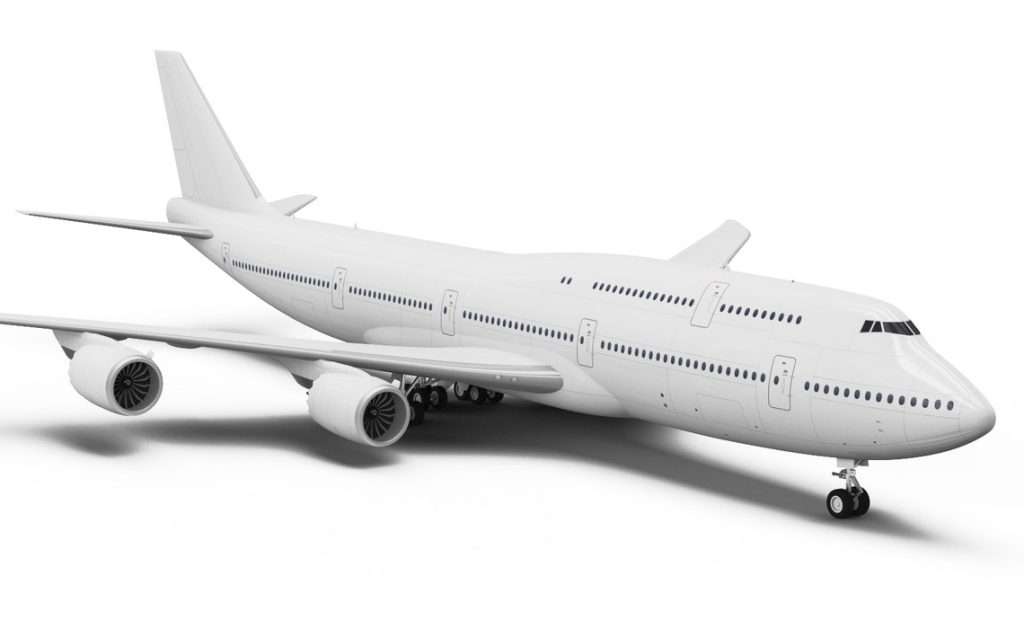
Other refinements would be made to the aircraft to truly make it a step up over competitors and a natural advancement in its evolution, such as a change to the landing gear and so forth.
These two concepts were also directly pitched for two very different mission profiles. Boeing felt the -500X would’ve been the jet with the longer range, whereas, for customers seeking more passengers under an ambitious high-capacity layout, the stretch would make the -600X shine.
It was simple for Boeing, which felt that the proposed aircraft variants showed airlines the direction the business was heading, prioritising efficiency and economics without abandoning the identity of one of the most important jets to have graced the skies.
The Variants Fall Short For Airlines
Despite the ambition and refinements that Boeing put forward to customers, this was a market that did not bite as the planemaker saw interest in the jet be near non-existent.
This lack of interest was exactly what they did not need, given that this was an evolution of the program that would entail high development costs, even though it was not a clean sheet.

With the climate for such variants not being supportive enough, it was becoming evident that the airline industry was already beginning its natural progression towards a strategy that prioritised fleet mix and flexibility over quad-engined superjumbos, which had long graced the skies.
That very cautious approach meant the timing of these models was far off, despite technical specifications perceived as impressive; if these specs couldn’t land with customers, as they didn’t, there was little to no sense in moving beyond the drawing board.
The A380 Shadow
For Boeing, the collapse of its 747-500X and 747-600X also came at a time when it was facing competition from the threatening Airbus, which was developing the A3XX, which would later become the A380.
Despite the lack of firm interest in very large aircraft as in decades past, Airbus and Boeing, even with McDonnell Douglas and its MD-12 in the early stages of the 1990s, pushed for the release of a more efficient platform to either compete with Boeing or add something else to the mix.
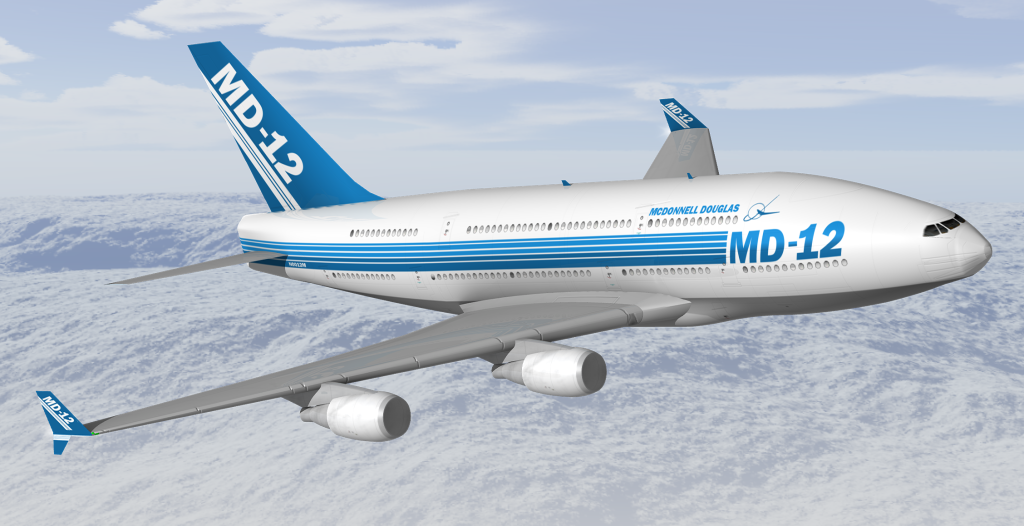
The same debate that saw Boeing’s attempted enhancements in the mid-1990s fail re-ignited in the A380 era as well, proving that the challenge was not in building the aircraft themselves, but rather in the obstacles to finding a customer base willing to support them.
In hindsight, Boeing’s attempts to launch unreleased 747 giants were logical, as they strove to keep the queen’s name alive. Still, they ultimately failed time and again, and, in the end, even the last iteration, the 747-8, didn’t stick the landing commercially.

ABOUT THE AUTHOR
Daniel Fowkes is a Melbourne-based aviation analyst and journalist with over a decade of industry experience. As founder of Dj’s Aviation, he delivers trusted analysis on aircraft, airline strategy and global aviation trends for djsaviation.net
Related Articles




Stay Informed
Get the latest aviation news, analysis and route updates delivered to your inbox.
We respect your privacy. Unsubscribe at any time.
Enjoyed this story?
Make us your go-to for aviation news
Add us as a preferred source on Google and see our latest stories first in Top Stories.
Add Us On Your News Feed