

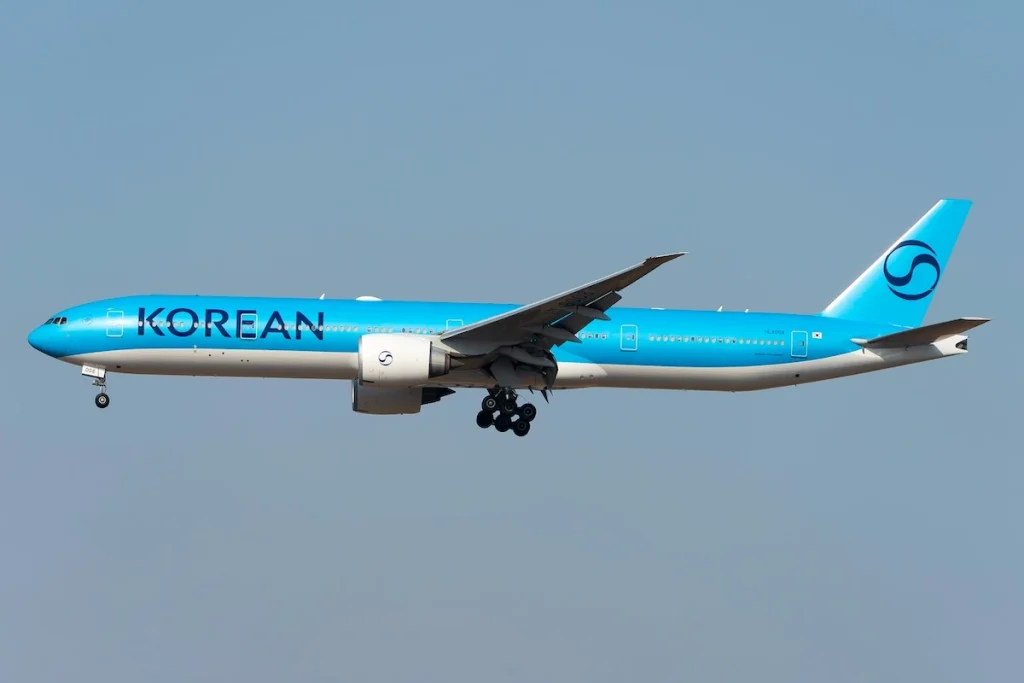
Korean Air is moving into emergency management mode throughout April as the industry is affected by recent fuel shocks and the conflict in the Middle East.
The move by the South Korean carrier isn’t just perceived as a short-term reaction but as a warning from the airline itself that if fuel costs remain elevated, they would be forced to make even harder decisions.
Those harder decisions, yet to be confirmed and may not be required, would involve tougher cost-cutting measures to preserve these businesses’ status within the industry, including fare increases and greater discipline in capacity.
Why Korean Air Is Doing This
Korean Air’s internal memo, reviewed by leading public institutions such as Reuters, flagged higher oil prices and the disruption they would cause to annual business targets.
As a result, the business is shifting to what it calls an emergency operating system from April. If the situation persists, the airline forecasts that its April fuel bill will not just rise a little but rise sharply.

With fuel costs expected to reach far above what was assumed in the business plan, the gap left in airlines is significant. With these expenses already among the largest and most critical, airlines are put in an untenable position.
Korean Air, with this in mind, is looking to act sooner rather than later and make key decisions to cope with higher costs as best it can, even in uncertain times.
What’s Going To Change?
The airline has said that, as part of the emergency response to the situation, it will deploy measures that will depend on the trajectory of oil prices, which have worsened over the last month.
In essence, the airline will place a tighter focus on spending controls, which involves scrutinising and persistently reviewing its route profitability where required, and therefore not being afraid to either reduce frequency or destinations served.
Flexibility in situations like these is essential for the airline to navigate uncertainty. The biggest visible change, at least for customers in this case, will be higher fuel surcharges and more expensive tickets on long-haul routes, especially where demand is strong enough to absorb the increases.
Increases are becoming more common, with Qantas also adding fuel surcharges across its international network. The price of the surcharges depends on the route and can range from $30 to over $200 for journeys of nearly 20 hours.
While surcharges are a focus, the concern for customers about whether this will continue should also be central to the price point of tickets themselves, which could rapidly increase, and is something the airline industry, while trying to avoid, has very clearly said is a possibility.
What Will Happen to Passengers?
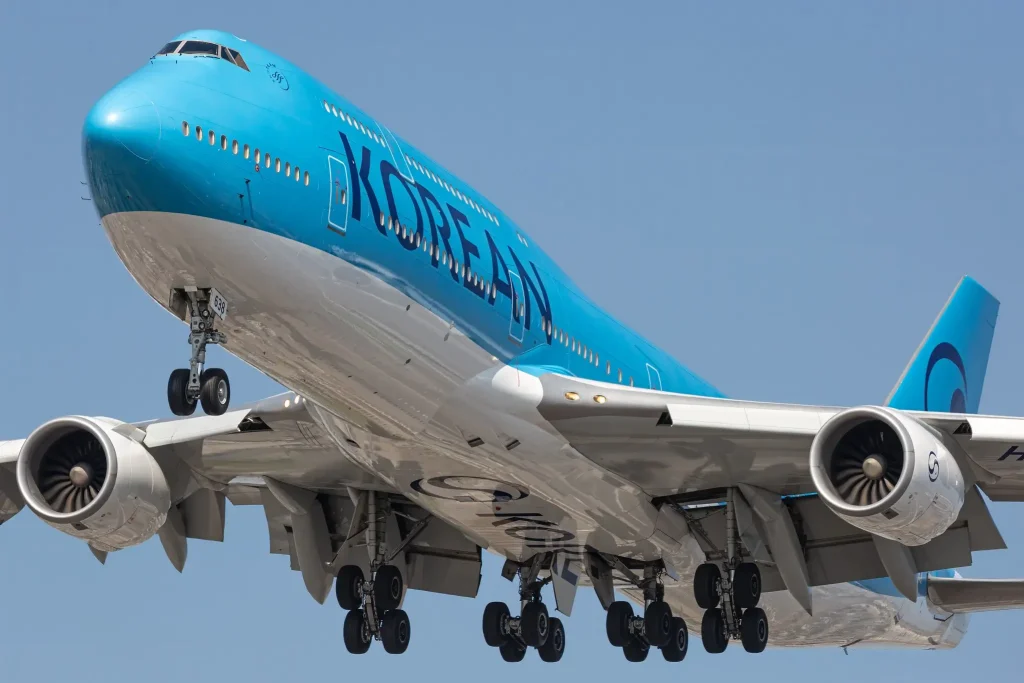
For Korean Air customers, if the crisis were to last, fares and surcharges would continue to rise, with the risk of schedules being trimmed as well.
With fewer schedule options and tighter pricing across the network, this would help the airline but ultimately impact customers’ choices regarding popular route segments and opportunities for onward connectivity.
With baggage, seat selection, and flexible ticketing easier to reprice than more basic fares, these would likely be put under the microscope in the short term, as has been the case with JetBlue, which has just confirmed it will hike checked baggage fees amid pressure on operating costs.
The headline fare may therefore remain somewhat competitive at Korean Air in the short term. Still, once all additional costs are factored in, the final amount may become out of reach for business and long-haul leisure travel.

ABOUT THE AUTHOR
Daniel Fowkes is a Melbourne-based aviation analyst and journalist with over a decade of industry experience. As founder of Dj’s Aviation, he delivers trusted analysis on aircraft, airline strategy and global aviation trends for djsaviation.net
Related Articles




Stay Informed
Get the latest aviation news, analysis and route updates delivered to your inbox.
We respect your privacy. Unsubscribe at any time.
Enjoyed this story?
Make us your go-to for aviation news
Add us as a preferred source on Google and see our latest stories first in Top Stories.
Add Us On Your News FeedRelated articles
· Airlines
Allegiant Air Buys Six More 737-8s From Boeing
Daniel Fowkes
26/10/2026
· Airlines
Emirates vs Qatar Airways: The Gulf Superhub Rivalry Compared
Bryan Shelmon
26/10/2026
· Airlines
Riyadh Air Is Moving Away From Riyadh
Daniel Fowkes
26/10/2026
· Airlines
Emirates Isn’t Worried At All
Daniel Fowkes
25/10/2026