
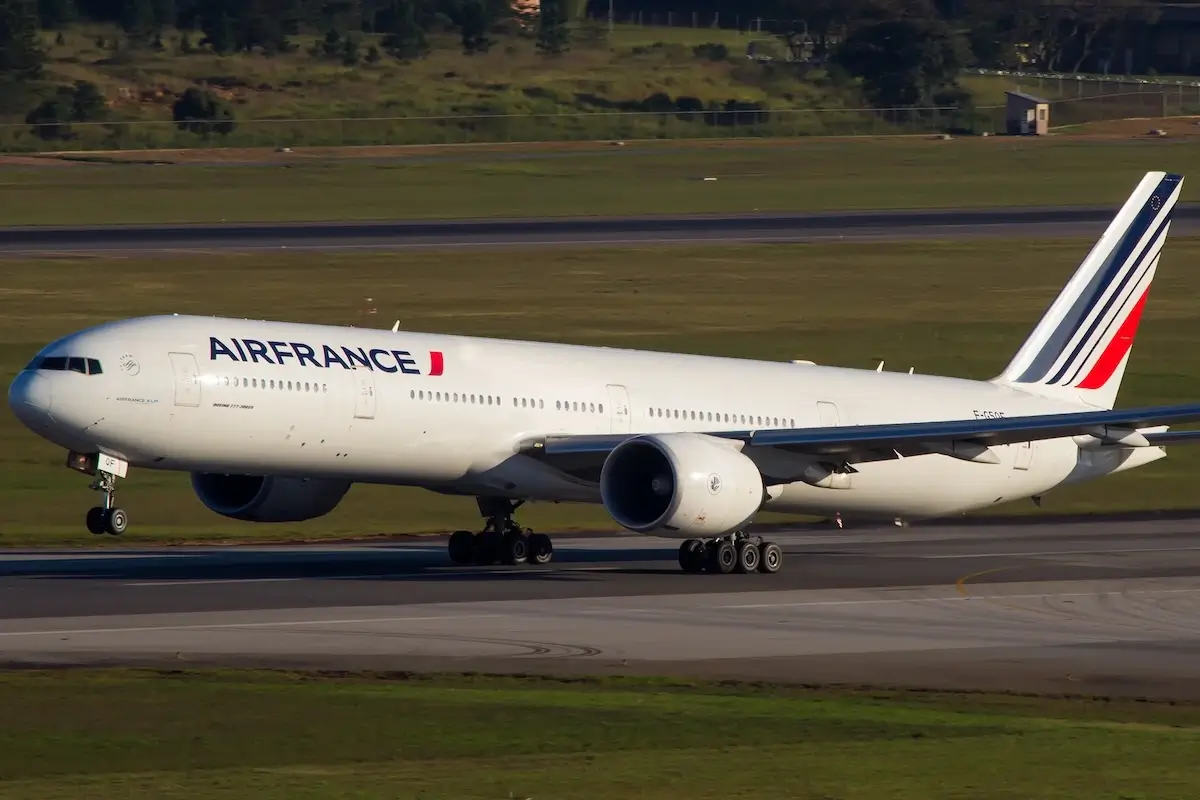
Air France has now formally ended its mainline presence at Paris Orly, closing a nearly century-long chapter of the airline’s operations and a shift in strategy.
The final Air France departure from Orly was AF0642 to Nice, with the last arrival, AF6231, on March 28, 2026, marking the end of an era.
Why Air France Has Left Orly
Air France’s decision to leave Paris Orly was not an overnight one, but rather the result of a significant period of study into how the airline wanted to build its network moving forward.
As part of those studies, the airline said it had seen demand on more of its point-to-point network decline, especially among its important business travellers, who, instead of opting for short-haul services, were looking to either move online or to travel by train.
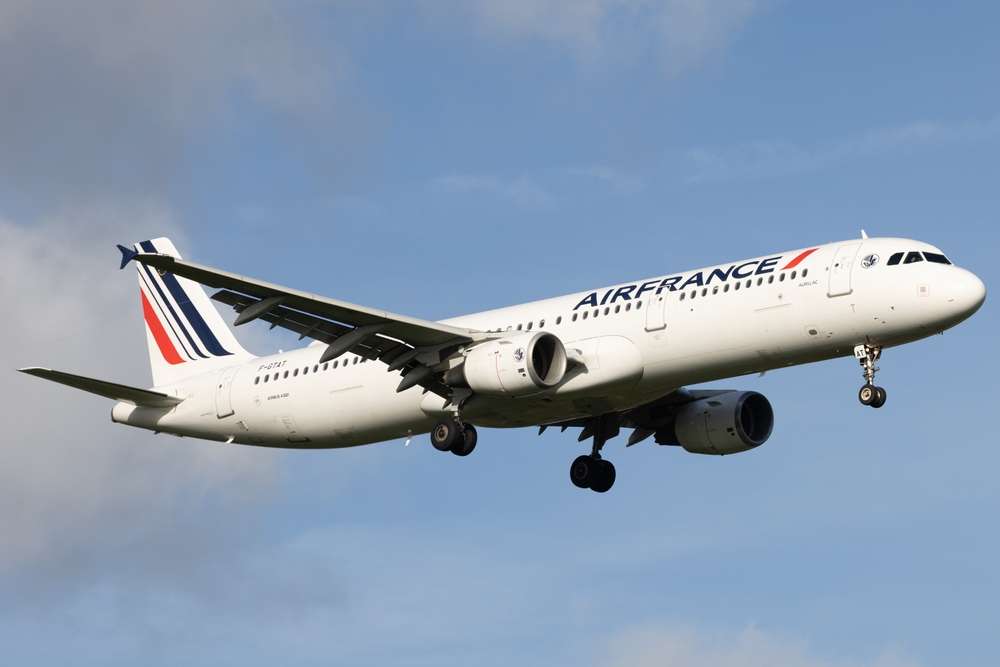
The 40% drop in overall domestic traffic during the COVID-19 pandemic was accompanied by a reduction in same-day return trips of over 50%, pushing Paris Orly, despite its history, to become a far less viable option for business.
A Shift In Priorities
The decision for Air France’s mainline operations comes largely down to simplifying its business and consolidating operations at a single airport in Charles de Gaulle.
With this decision, Air France will be able to concentrate its connections at a single larger hub, making it easier to feed long-haul services while also reducing the risks and complications that can come with operating from two Paris airports.
While the mainline Air France operation will be consolidated, the presence of the Group from Orly will not entirely disappear, as Transavia is expected to take over much of the operation here moving forward as part of the recalibration of available assets.
What This Means Now
For Air France, this move isn’t perceived internally as an abandonment, but rather as a strategic decision to restructure how the business wants its network served across Paris, extending to the broader Group.
Orly has become more of a destination for low-cost and leisure travel rather than a premium airport, whereas, as time has progressed, it’s become clear that Charles de Gaulle will continue to be the premium market for business.
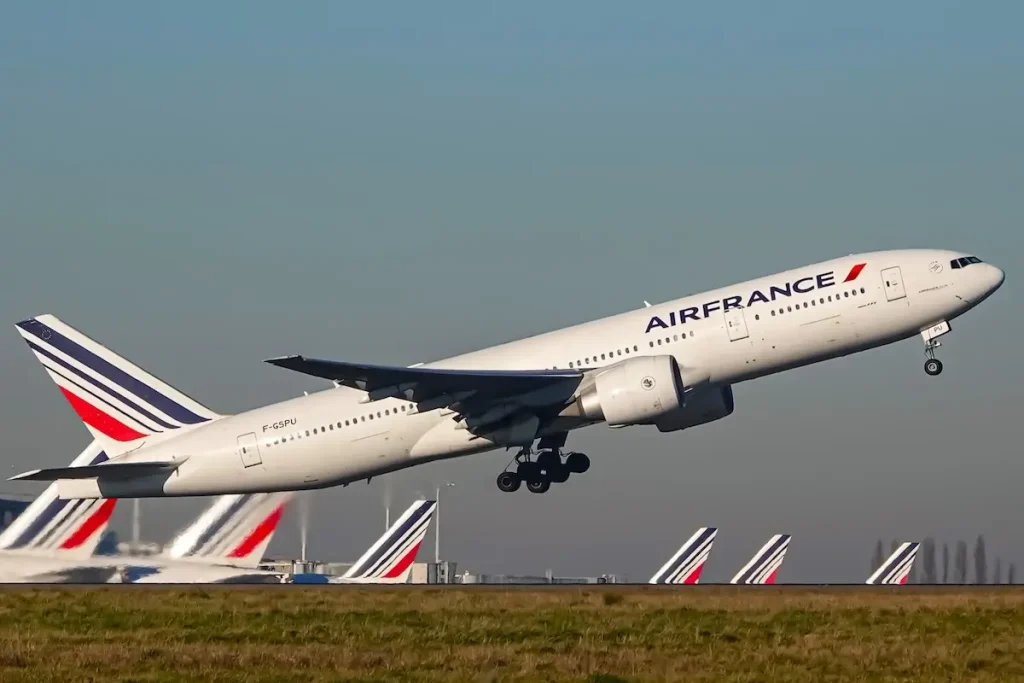
As a result, the move reflects the ebbs and flows of the industry, demand trends, and adjustments in economics, a more complicated operating environment, and the required response to changing demand.

ABOUT THE AUTHOR
Daniel Fowkes is a Melbourne-based aviation analyst and journalist with over a decade of industry experience. As founder of Dj’s Aviation, he delivers trusted analysis on aircraft, airline strategy and global aviation trends for djsaviation.net
Related Articles




Stay Informed
Get the latest aviation news, analysis and route updates delivered to your inbox.
We respect your privacy. Unsubscribe at any time.
Enjoyed this story?
Make us your go-to for aviation news
Add us as a preferred source on Google and see our latest stories first in Top Stories.
Add Us On Your News FeedRelated articles
· Airlines
Allegiant Air Buys Six More 737-8s From Boeing
Daniel Fowkes
26/10/2026
· Airlines
Emirates vs Qatar Airways: The Gulf Superhub Rivalry Compared
Bryan Shelmon
26/10/2026
· Airlines
Riyadh Air Is Moving Away From Riyadh
Daniel Fowkes
26/10/2026
· Airlines
Emirates Isn’t Worried At All
Daniel Fowkes
25/10/2026