
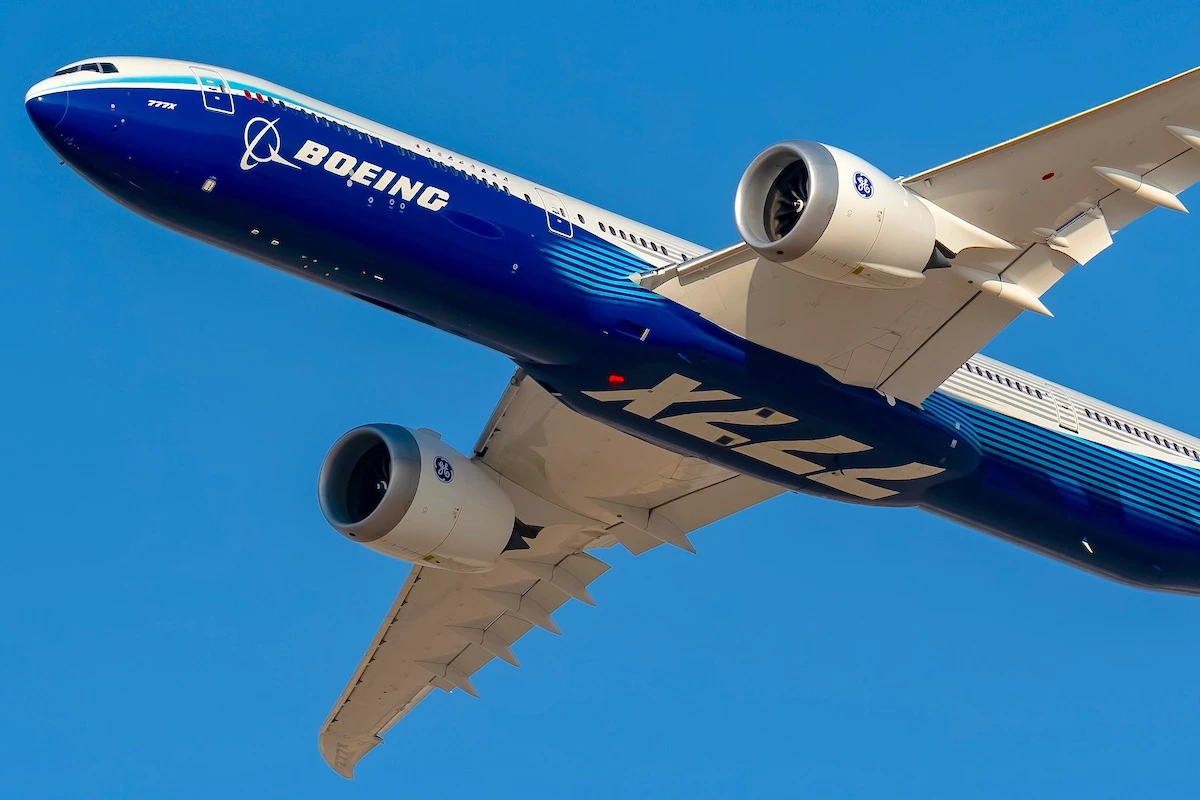
Air France-KLM is inching closer to placing a new widebody aircraft order to replace its aging Boeing 777-300ER fleet.
The deal, which would represent a critical step in the ongoing widebody transformation, was flagged by CEO Ben Smith at the February 19 earnings call.
With a tight orderbook for widebody jets such as the Airbus A350-1000 and Boeing 777-9, Smith says a decision must come sooner rather than later as models are sold out into the next decade.
Air France-KLM’s Boeing 777-300ER Fleet
Air France operates a fleet of 43 Boeing 777-300ERs, while KLM has 16; the two aircraft together form the backbone of the high-density routes across their respective global networks.
The aircraft, which average 13 to 15 years, while offering strong capacity and range, are ultimately less efficient than some of the newer models which have begun being delivered across the business.
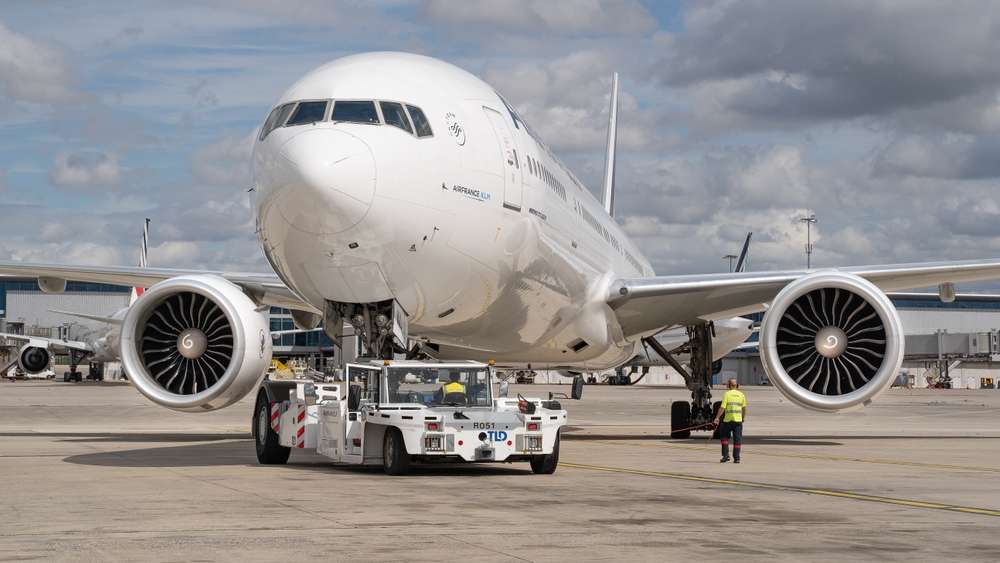
While the 777-300ER is front and centre for the airline’s renewal, ongoing transformative efforts have already begun taking shape, most notably with the A330 and 777-200 fleet types; these are also older models that are seeing newer planes brought in.
Jets such as the Boeing 787 and Airbus A350 across the Group have driven renewal and improved overall efficiency, but Air France-KLM still believes many more widebodies will be required as part of the phase-out of the 777-300ER fleet.
777X vs A350-1000 Widebody Dilemma
For Air France-KLM, there’s consensus on two choices: the existing Airbus A350-1000 and the Boeing 777-9, part of the 777X, but which has seen its certification slip back on repeated occasions.
The Boeing 777X could be viewed as an optimal choice if the airline is planning to prioritise capacity, with the model able to seat over 400 passengers comfortably in an atypical configuration, and strong range and economics making it perfect for dense routes out of Paris and possibly Amsterdam too.

However, this widebody remains delayed, with a hopeful entry into service scheduled for 2027. This would be seven years later than initially expected, with trust in the program eroded and frustrations shining through.
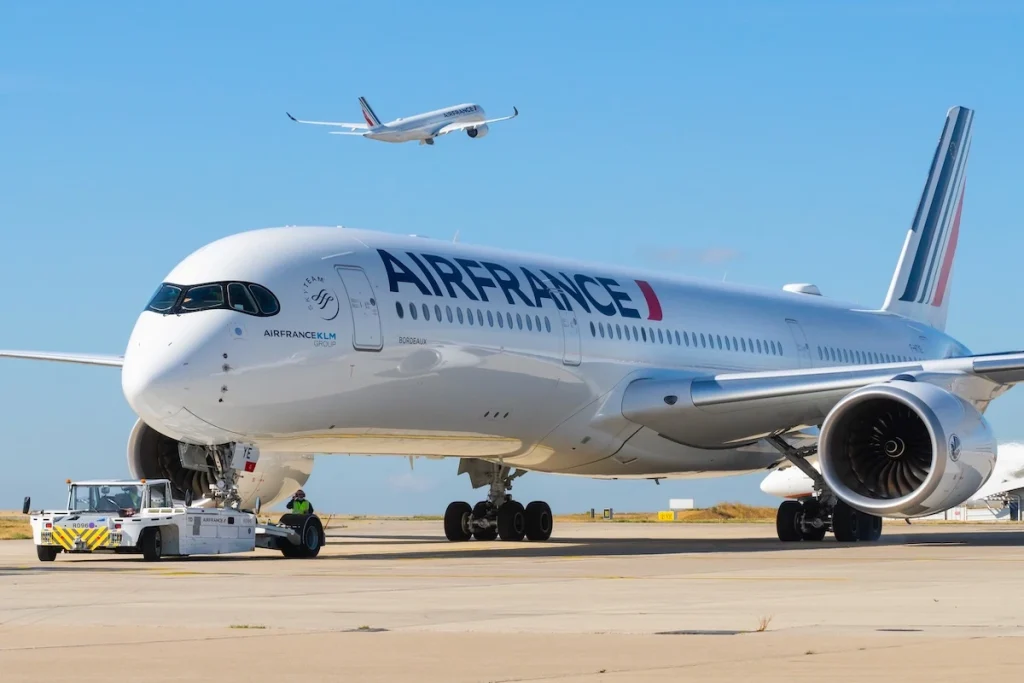
With Air France-KLM also citing commonality and making decisions that keep the business streamlined, the other option is the A350-1000, with the possible A350 stretch also under study, and another chance depending on the price point and economics.
Air France-KLM already has a strong reliance on the A350, with the smaller A350-900 proven key to developing the Air France network thus far, and the A350-1000 a jet that would enhance coverage and seamlessly fit into the future fleet makeup.
Fleet Simplification Will Drive The New Order
Fleet simplification is one of the key pillars that will drive a decision on which larger widebody aircraft to order, with a view to slashing maintenance, complexity, and training costs while improving parts inventory.
Much of the fleet simplification roadmap came towards the back end of the previous decade, when the airline attempted to transition to a more Airbus-reliant fleet with the A220, and the A350 proved crucial to the single-aisle and widebody renewal.
Now, simplification will remain at the forefront of decision-making, with diversification risks, but also risks that Air France-KLM will need to study to understand which move will be deemed best for overall profit margins in future decades with these larger aircraft.

ABOUT THE AUTHOR
Daniel Fowkes is a Melbourne-based aviation analyst and journalist with over a decade of industry experience. As founder of Dj’s Aviation, he delivers trusted analysis on aircraft, airline strategy and global aviation trends for djsaviation.net
Related Articles




Stay Informed
Get the latest aviation news, analysis and route updates delivered to your inbox.
We respect your privacy. Unsubscribe at any time.
Enjoyed this story?
Make us your go-to for aviation news
Add us as a preferred source on Google and see our latest stories first in Top Stories.
Add Us On Your News Feed