
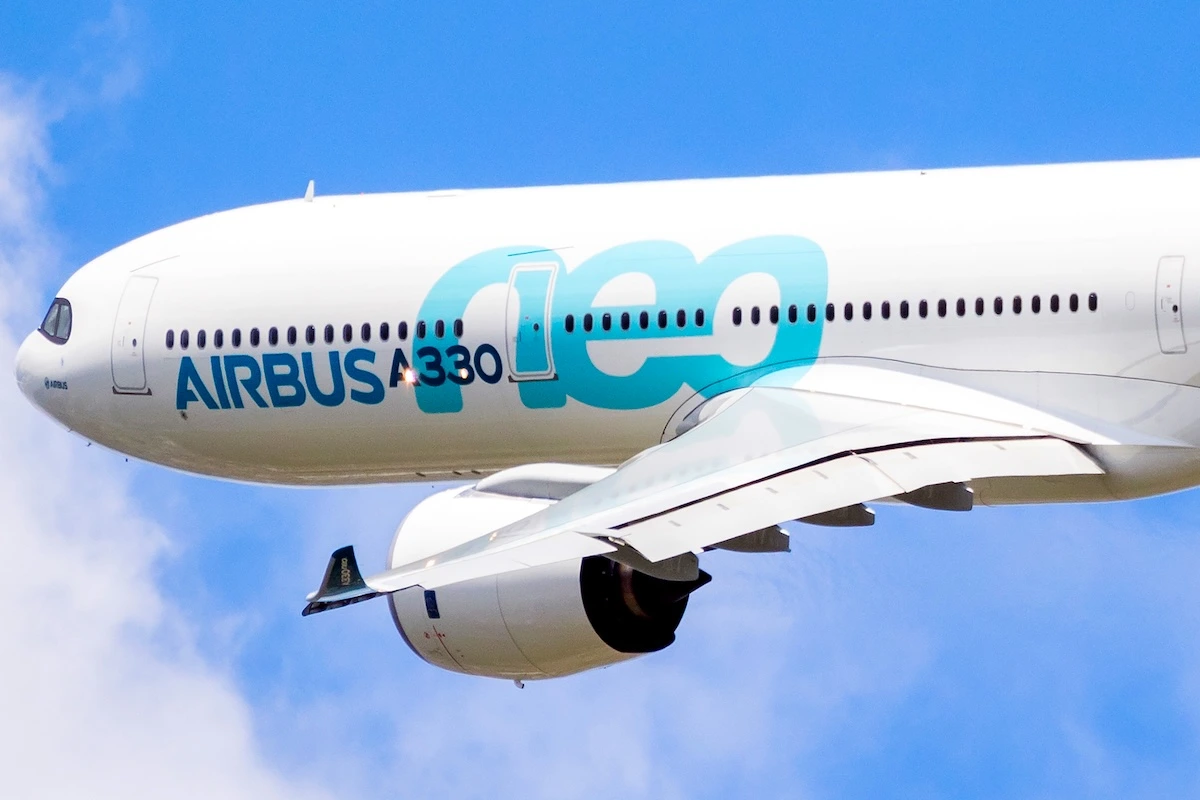
Uganda Airlines’ prized Airbus A330neo fleet remains inactive, grounded, plunging the airline into a threatened operational state as its long-haul network burns.
The grounding of the aircraft not only slashes overall revenue and customer satisfaction levels but also poses a significant risk to future connectivity opportunities.
But why are the jets grounded? What is the true impact on the business, and what’s the role of this prized widebody aircraft in the airline’s fleet?
Why Uganda Airlines Has Grounded A330neos
Uganda Airlines’ two Airbus A330-800neos, which were axed, followed an internal report published by the airline’s current interim CEO, Girma Wake, citing the aircraft’s unserviceability.
Following urgent maintenance needs and ongoing certification delays, spurred by struggles with the Uganda Civil Aviation Authority (UCAA), these widebodies, despite having been in the fleet for a long time, have been parked for some time.
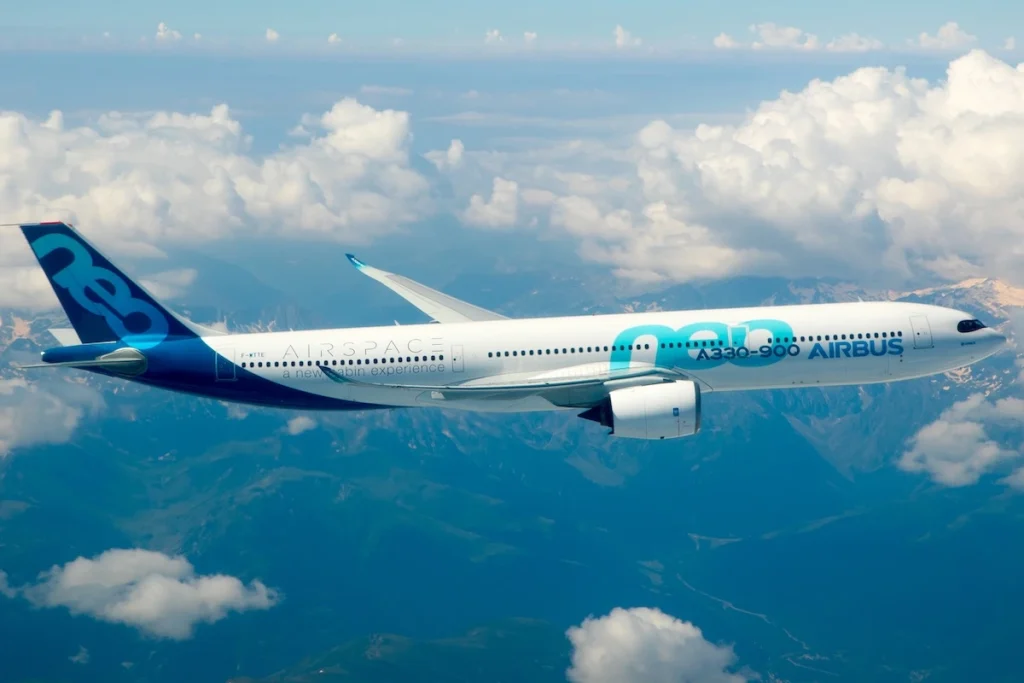
The temporary removal of the aircraft from service follows the deployment of technical teams to urgently restore the planes to normal operations as soon as possible.
In a written statement, the airline confirmed that it’s seeking to source all required components and technical expertise to return the jets to service sooner rather than later, with updates on the fleet status expected as soon as possible.
Impacted passengers are expected to be rebooked with alternative carriers, wherever possible, to ensure they reach their destinations with minimal disruption.
How The A330neo Grounding Hurts
For Uganda Airlines, the A330neo has triggered the cited flight disruptions across the international network, halting the operation of long-haul routes launched in recent years with the planned state-of-the-art aircraft.
With both widebody aircraft out of service, the airlines’ operations are well below plan, with international services to destinations such as London and Dubai cancelled or completely rescheduled.
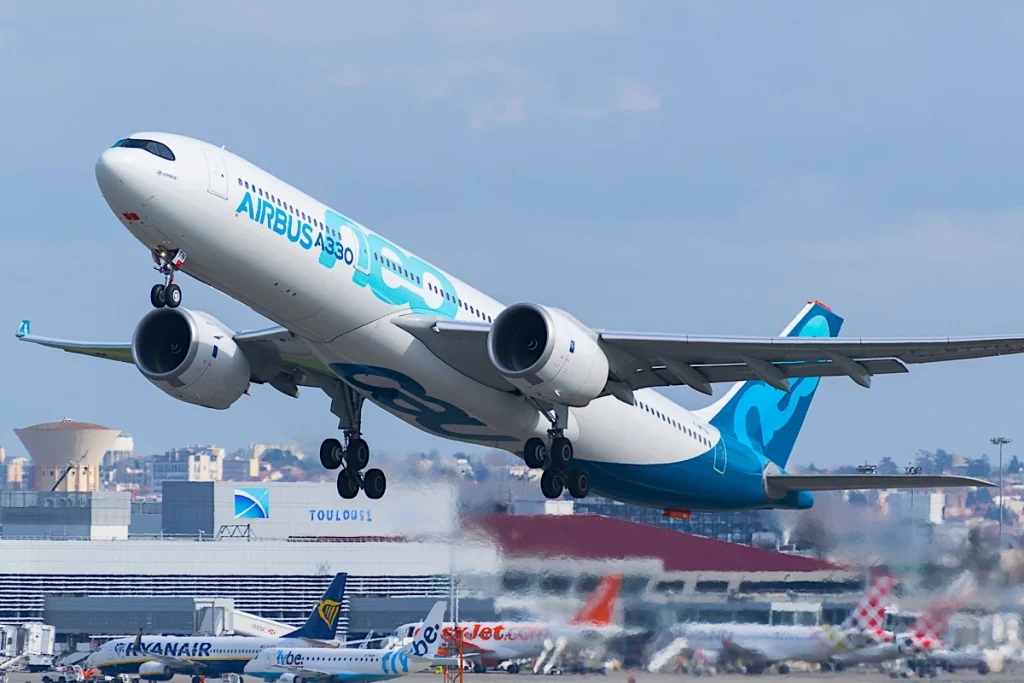
For passengers, there’s now greater uncertainty across the key international network, and load factors are expected to suffer further, with journeys becoming more complicated than initially imagined.
For the airlines’ performance, the route cuts are expected to slash overall revenue as the business misses peak revenue windows within Africa, and with an already complex operating environment, things become substantially harder.
The Role Of The Airbus A330neo
Uganda Airlines’ Airbus A330neo fleet has long been viewed as critical not just for evolving the fleet in more ways than one, but also for targeting more long-haul joyrides and bringing Entebbe to the world with better connectivity.
The operating economics of the A330neo enable not only a strong range paired with capacity, but also lower costs, making it possible for the business, which already has a smaller fleet, to move forward.

With Africa’s limited connectivity, home airlines have placed greater emphasis than ever before on evolving their fleets and finding ways to meet the growing requirement for travel.
While carriers such as Uganda Airlines might not have a mighty widebody fleet like that of United Airlines, its few widebody jets remain all the more important for serving markets around the world; the grounding hurts deeply.
Ethiopian Airlines, one of the key companies looking to do something similar to Uganda Airlines, is leveraging next-generation widebody aircraft and updated airport infrastructure to open new routes to markets in Australia and beyond.

ABOUT THE AUTHOR
Daniel Fowkes is a Melbourne-based aviation analyst and journalist with over a decade of industry experience. As founder of Dj’s Aviation, he delivers trusted analysis on aircraft, airline strategy and global aviation trends for djsaviation.net
Related Articles




Stay Informed
Get the latest aviation news, analysis and route updates delivered to your inbox.
We respect your privacy. Unsubscribe at any time.
Enjoyed this story?
Make us your go-to for aviation news
Add us as a preferred source on Google and see our latest stories first in Top Stories.
Add Us On Your News Feed