
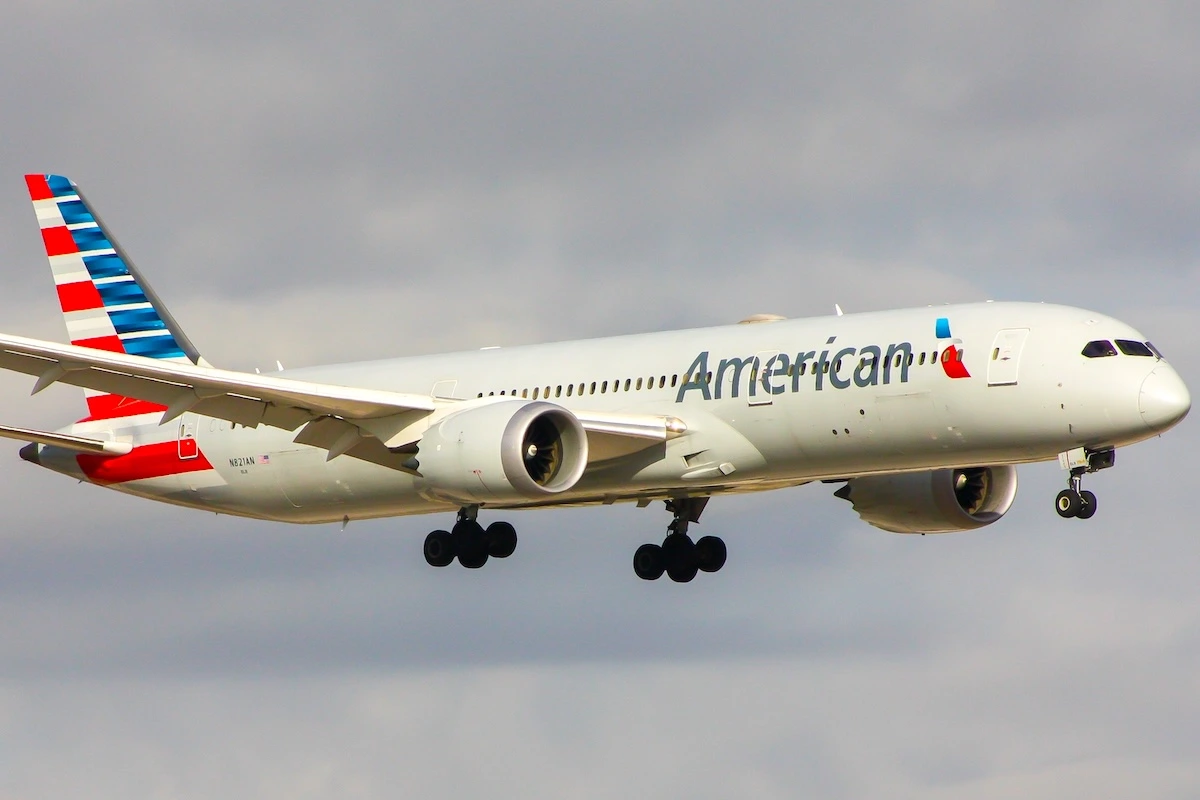
American Airlines is ramping up its international ambitions, aiming to operate 200 aircraft on long-haul routes by 2030.
The plan will see the airline pivot toward a greater reliance on next-generation narrowbody and widebody jets to reclaim market share from Delta and United.
American Airlines Bets On Flexibility
As part of American Airlines’ efforts to grow its international fleet to 200 planes by 2030, there’s much emphasis on betting big with flexible widebodies and narrowbodies.
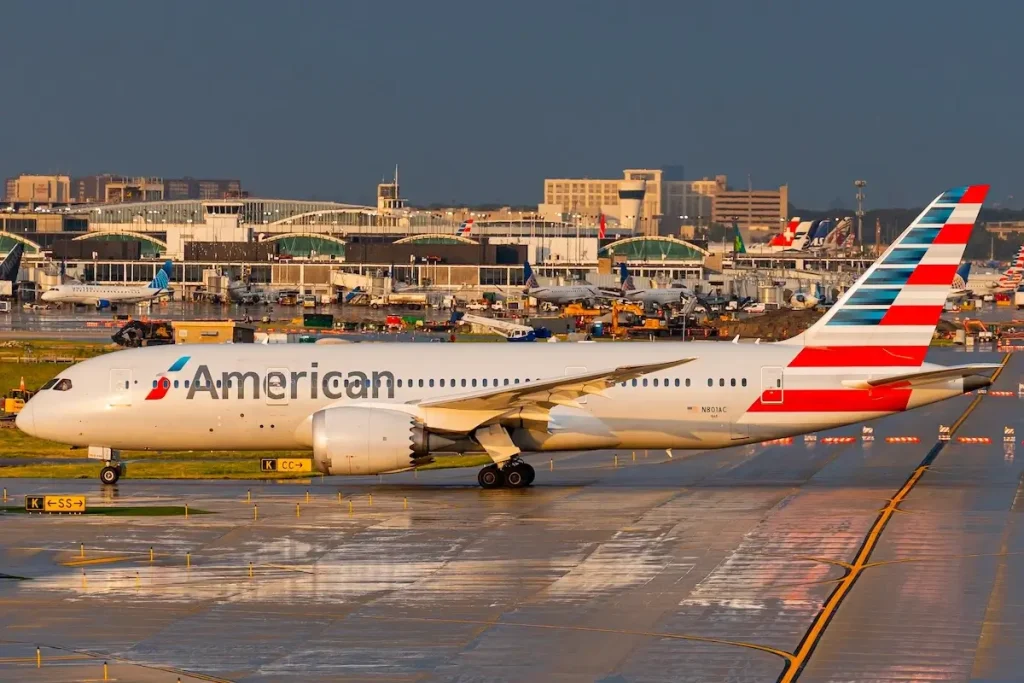
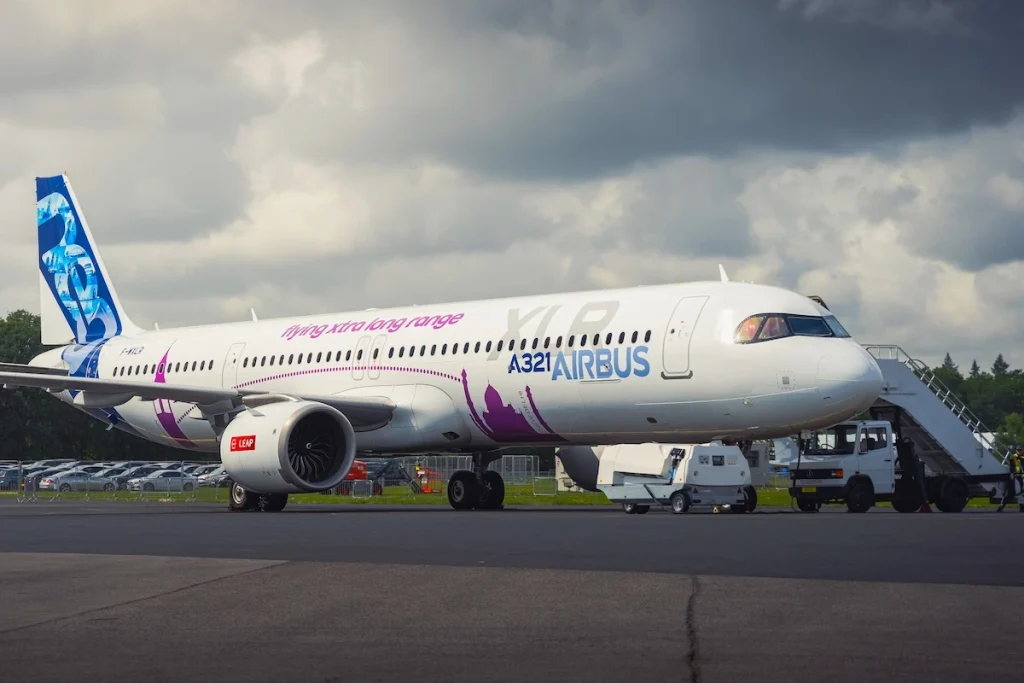
Two pillars of the next-generation fleet will be the Boeing 787 Dreamliner and the Airbus A321XLR, the latter of which was delivered only recently and is expected to offer opportunities on thinner routes where widebodies are not viable.
The A321XLR not only offers more capacity than the base A320neo model and older A320ceo jets, but also comes with 4,700nm of range and significant cost reductions compared with widebodies and outgoing types it’s replacing.
For American Airlines, the range and capacity enable deployment across a wide array of services, whether transatlantic or coast-to-coast, giving customers additional capacity and opportunities to reach new markets, more sustainably, without requiring widebodies.
Much of the future fleet will be composed of widebody aircraft such as the Boeing 787. The airline already operates the aircraft and has done so for some time; this is key for high-demand routes that require not just reliability but efficiency.
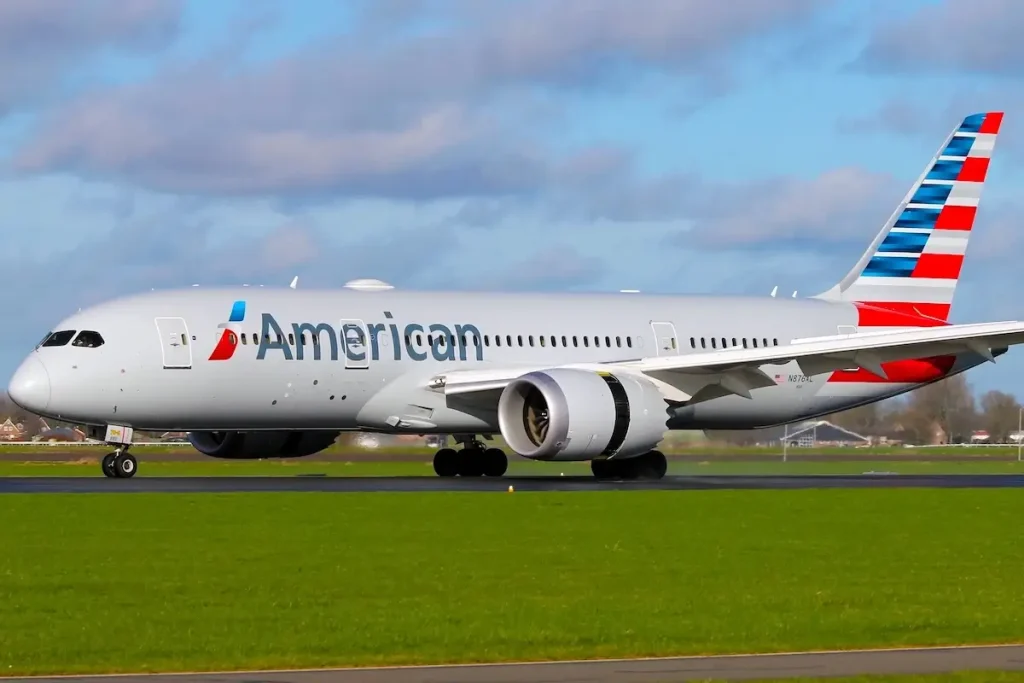
These aircraft, at their core, are flexible; their versatility shines through, whether through redeployment that remains profitable in a seasonal context or through cost reductions at thinner locations. American Airlines is going big on them.
Customers To Benefit From International Surge
While American Airlines will see a hopeful upward turn in its financial and route performance thanks to fleet growth, customers will also be the big winners from the planned expansion.
Direct flights will become more common, as seen with the recently launched Porto service on the A321XLR. At the same time, denser Dreamliner schedules will be required to fly more capacity to key Asian and European cities, where stopovers are less common.
American Airlines also recognises it needs to close the gap with its competitors, United and Delta. It needs to rely more heavily on its premium product, and aircraft like the A321XLR are expected to be represented, with 20 lie-flat flagship suites.
Newer planes also deliver greater reliability for airlines, ensuring smoother, more comfortable service that benefits customers.
Ultimately, American Airlines hopes that, through the expansion of its international fleet and continued shift towards next-generation models, the positives will be infectious across not just the airline but also its customers.

ABOUT THE AUTHOR
Daniel Fowkes is a Melbourne-based aviation analyst and journalist with over a decade of industry experience. As founder of Dj’s Aviation, he delivers trusted analysis on aircraft, airline strategy and global aviation trends for djsaviation.net
Related Articles




Stay Informed
Get the latest aviation news, analysis and route updates delivered to your inbox.
We respect your privacy. Unsubscribe at any time.
Enjoyed this story?
Make us your go-to for aviation news
Add us as a preferred source on Google and see our latest stories first in Top Stories.
Add Us On Your News Feed