

Airbus announced at the Singapore Airshow 2026 that it received a new order for four A321neos.
The deal comes from Tigerair Taiwan, which has purchased the aircraft in a landmark contract that represnets the airline’s first order for this model.
The new aircraft for the business is part of efforts to support Tigerair Taiwan’s network expansion and to deliver improved fuel efficiency and lower emissions compared with existing aircraft types.
Chairperson Joyce Huang of Tigerair Taiwan considers the deal a third-generation fleet expansion and says it is critical to scaling regional dominance in the coming decades.
Configured with 232 seats, the A321neo will allow the airline to increase capacity across golden routes, these high-demand locations where more seat capacity is required but hasn’t been possible until this deal was finalised.

Additionally, with the arrival of the A321neo, the airline will be able to accelerate network expansion, increase passenger capacity, and lower per-seat costs.
Tigerair Taiwan’s All-Airbus Fleet
The addition of the Airbus A321neo to the Tigerair Taiwan fleet will complement what remains an exclusive Airbus operation to this day.
The airline is committed exclusively to the A320 family, with 17 aircraft in service at an average age of 6.7 years; however, this reliance is spread across two models.
Firstly, Tigerair Taiwan operates nine A320-200s, the oldest in the fleet, averaging 10.1 years old, though still relatively young for most airlines.
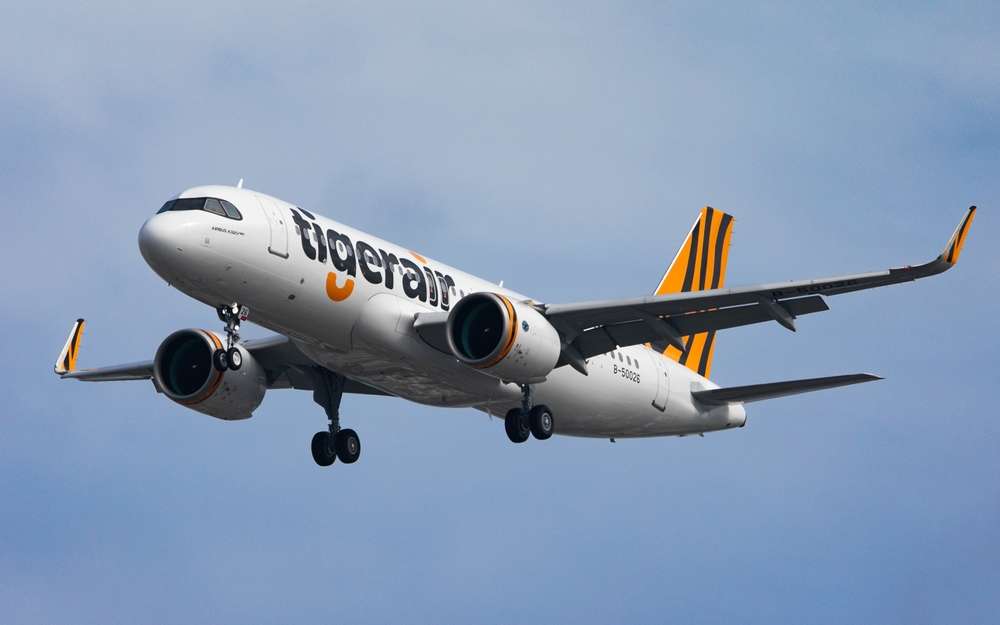
Additionally, there are eight A320neos, part of the next-generation aircraft, averaging 2.9 years old. With the expected addition of four A321neos, the fleet will be well complemented by the base model.
Airbus’ Best Selling Aircraft Type
The A321neo has quickly become Airbus’ best-selling model year after year, offering airlines single-aisle economics and efficiency, with at times staggering range capabilities.
For airlines, the aircraft has become the ideal platform to meet post-pandemic demand growth while retaining flexibility across single-aisle operations.
Across the industry, airliens have progressively sought to upgrade from A320neo to A321neo, or retire older A320ceo jets, to maximise seats per slot and reduce unit costs, especially for those operating in more congested hubs.

With Airbus also pushing ahead with further derivatives, such as the A321XLR variants, which extend range to over 4,000 nautical miles, this opens new thin long-haul markets that cannot be served by widebodies but still require nonstop connectivity.
In the last two years, the A321neo has overtaken the base model in popularity. That trend continues each year, as Airbus reports the program is sold out through the next decade, with airlines rapidly securing their future deliveries into the 2030s, putting pressure on those that have yet to commit.

ABOUT THE AUTHOR
Daniel Fowkes is a Melbourne-based aviation analyst and journalist with over a decade of industry experience. As founder of Dj’s Aviation, he delivers trusted analysis on aircraft, airline strategy and global aviation trends for djsaviation.net
Related Articles




Stay Informed
Get the latest aviation news, analysis and route updates delivered to your inbox.
We respect your privacy. Unsubscribe at any time.
Enjoyed this story?
Make us your go-to for aviation news
Add us as a preferred source on Google and see our latest stories first in Top Stories.
Add Us On Your News Feed