

In a move that’ll create the largest leisure-based airline in the United States, Allegiant and Sun Country announced on Sunday that they would merge.
The two carriers will see the transaction rise to USD 1.5 billion, with around USD 400 million in debt carried over, further consolidating the U.S. sector.
Consolidation has been a big talking point across the industry, as airlines have faced increased competition and the challenge of remaining profitable, especially as they emerge from the COVID-19 pandemic.
Under the new agreement reached between the two, which is subject to regulatory and shareholder approval, Allegiant shareholders would own 67%, and the remaining 33% would be for Sun Country shareholders.
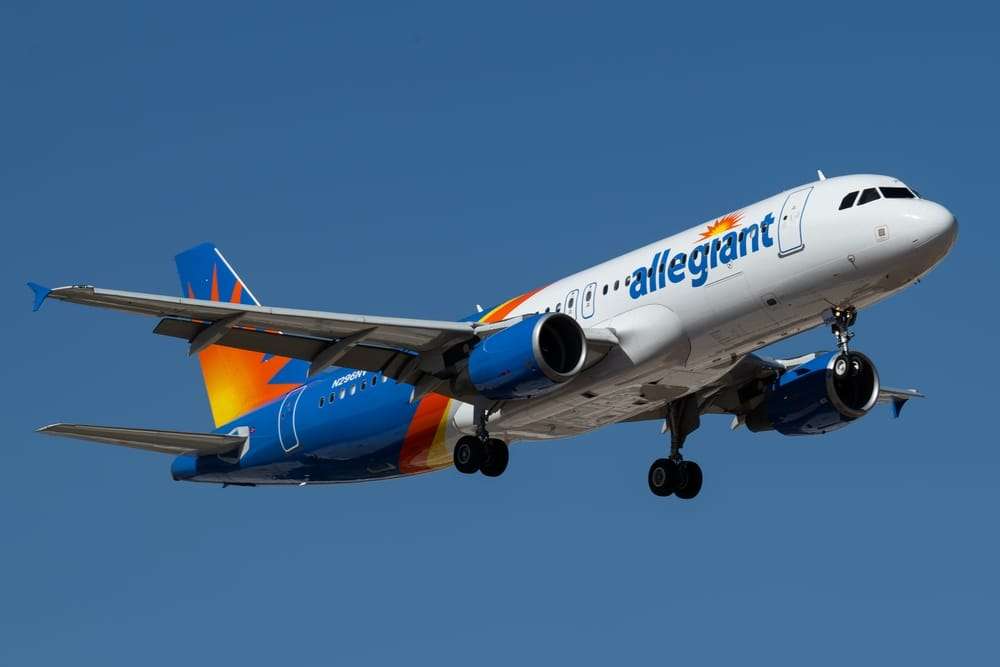
With approval still neccesary, the hope is that these two airlines will be able to tie up the transaction by the second half of 2026 and thus move into a fully integrated business that will redefine leisure flying from the United States.
While Sun Country has undoubtedly experienced a healthier period recently, the same can’t be said for Allegiant, which has seen profitability drop substantially. The sole focus of its business has been serving markets with less connectivity than those of more in-demand cities.
Whereas, for Sun Country, there’s been substantial profits reported; just recently, in the third quarter, its financial position was described as strong following USD 1.6 million in profits, compared with the loss at Allegiant.
Sun Country has focused on leisure markets, but it also operates cargo and charter services, making it very different from your typical scheduled passenger airline.
What’s Next For Allegiant & Sun Country
Deals such as these, especially in the United States, are considerable and represent a fundamental changing of the guard. While deals announced this quickly may be a surprise, the act of consolidation shouldn’t be.
More and more airlines across the United States and the world have been turning to consolidation to build a stronger foundation to weather future storms and, if struggling, increase profits.
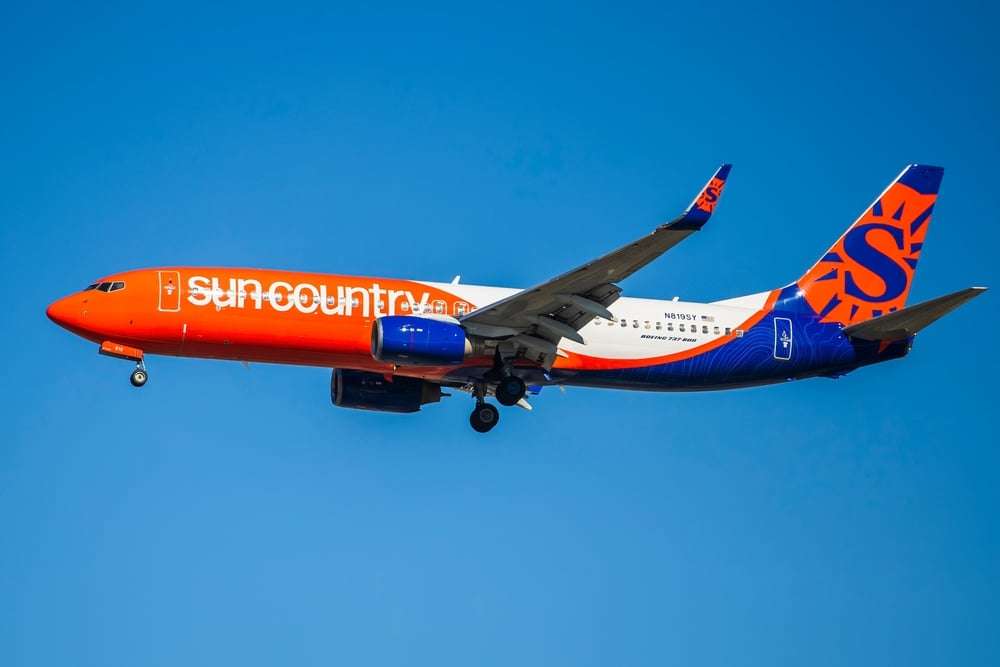
The combined airline, once all is said and done, will see a fleet hit around the 200 mark; however, its route network will undoubtedly be more impressive, with close to 700 offered.
While there may be some streamlining across the business, the airlines feel that their networks, when combined, are complementary and offer opportunities in small- and mid-sized markets moving forward.
At its core, yes, these airlines want to come together to serve the leisure market; however, in their statement published at the time of the merger announcement, they made their intentions clear: not just to be adaptable but also to be resilient.
These two key values to be shared across the combined business will be critical, given that these are airlines in the leisure space, which, while exciting, can deal with the many highs and lows of seasonal demand in specific markets.
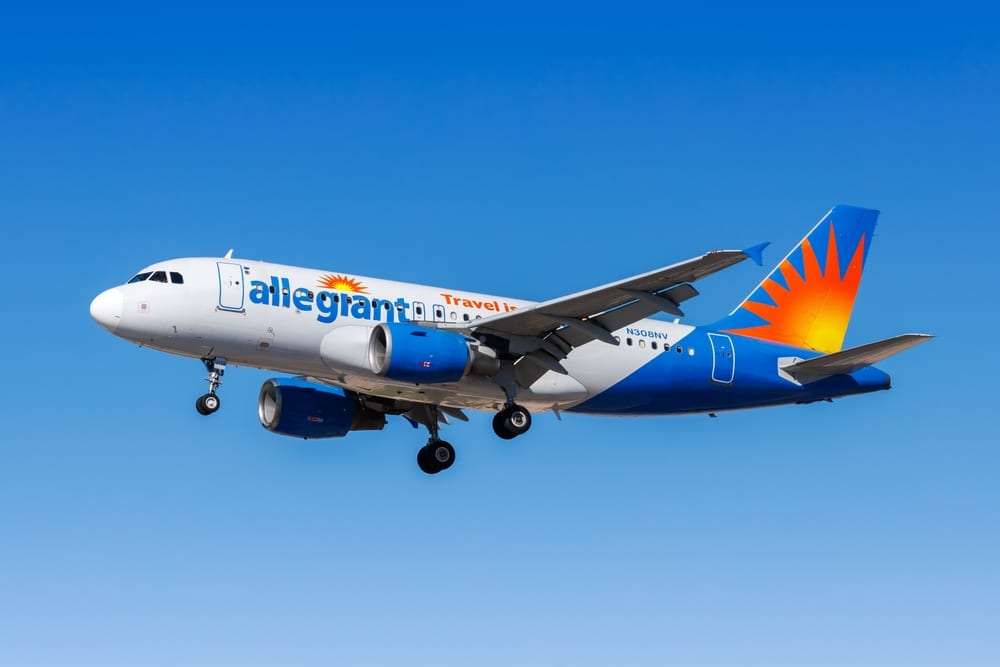
Minneapolis is expected to be integrated into the hub network, with the focus centred on the Allegiant market and on powering growth into high-demand vacation spots, complemented by underserved markets as well.

ABOUT THE AUTHOR
Daniel Fowkes is a Melbourne-based aviation analyst and journalist with over a decade of industry experience. As founder of Dj’s Aviation, he delivers trusted analysis on aircraft, airline strategy and global aviation trends for djsaviation.net
Related Articles




Stay Informed
Get the latest aviation news, analysis and route updates delivered to your inbox.
We respect your privacy. Unsubscribe at any time.
Enjoyed this story?
Make us your go-to for aviation news
Add us as a preferred source on Google and see our latest stories first in Top Stories.
Add Us On Your News FeedRelated articles
· Airlines
Allegiant Air Buys Six More 737-8s From Boeing
Daniel Fowkes
26/10/2026
· Airlines
Emirates vs Qatar Airways: The Gulf Superhub Rivalry Compared
Bryan Shelmon
26/10/2026
· Airlines
Riyadh Air Is Moving Away From Riyadh
Daniel Fowkes
26/10/2026
· Airlines
Emirates Isn’t Worried At All
Daniel Fowkes
25/10/2026