

Air India is preparing to take delivery of a landmark Boeing 737 MAX jet as part of ongoing turnaround efforts.
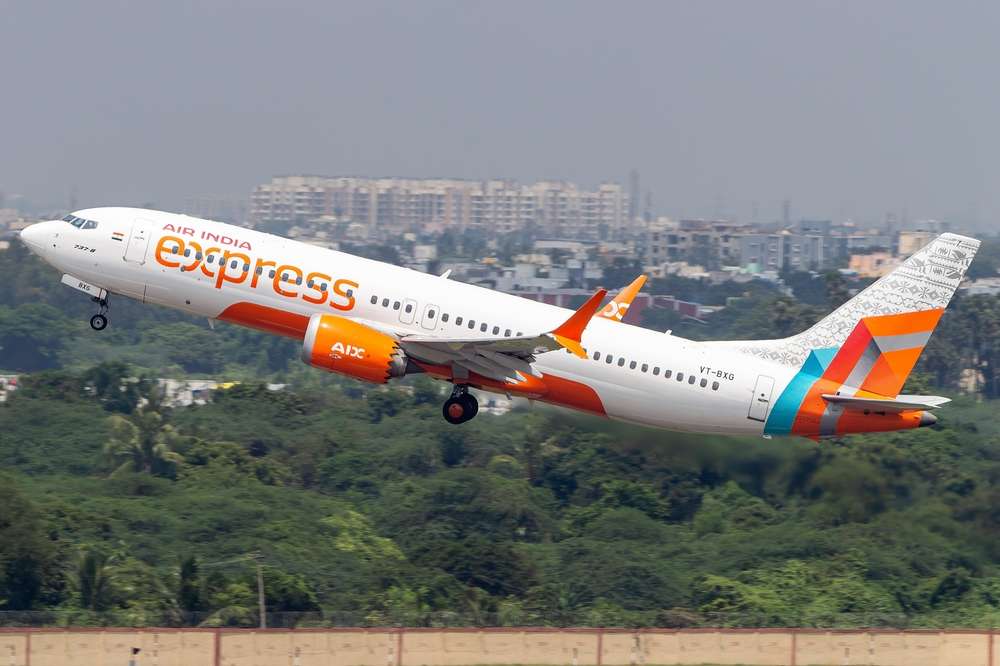
The aircraft, a 737 MAX 8 designed to operate with Air India Express, represents the first line-fit aircraft to join the division and will arrive in Delhi today.
The acquisition comes following a lengthy period of new arrivals to the Express division of the business, but not necessarily line-fit aircraft, rather white tails.
White tails are aircraft that end up with an airline like Air India Express, but were not purpose-built for that airline. For instance, a 737 MAX destined for Turkish Airlines falls through, for possible financial reasons, these planes become white tails and are then acquired by Air India Express.
The addition of white-tail aircraft offers airlines a more immediate capacity boost. Still, it is not something to be taken for granted, as it is only made available under circumstances that are not all that common.

With this being the first 737 MAX jet designated for Air India Express, it represents a pivotal moment in the ongoing turnaround efforts of the broader Group, which aims to reclaim its spot as a highly regarded airline worldwide.
The Circumstances Around Air India’s New 737 MAX
VT-RNT was handed over to the airline on 26 December, 2025. The aircraft is now completing its delivery flight to Delhi, where it’ll enter service with the airline, bolstering its network and complementing its existing fleet of MAX jets, which totals over 50.
However, while Air India Express is not a stranger to the 737 MAX, this delivery is a bit different from all the previous handovers.
See, the Indian flag-carrier was a big winner from the lengthy saga between China and Boeing over the single-aisle jet at the beginning of the decade, which forced completed aircraft destined for airlines in this part of the world to be rejected and left parked at Boeing facilities.
As tensions between Boeing and China rose, a resolution seemed unlikely. The American manufacturer needed to get rid of these jets to free up space for models in production and for airlines that wanted them.
As a result, these 737 MAX jets became white tails, presenting an opportunity for an airline looking to renew its fleet more immediately than by waiting for new planes direct from a planemaker.
Air India, given it had just been taken over by the Tata Group after decades of government neglect, had spiralled into annual losses and a damaged brand image, took this opportunity, as seen with even aircraft such as the A350, to acquire a next-generation aircraft sooner than would be typical.
Therefore, when explaining the Express fleet of 737 MAX jets, it’s easy to see that the aircraft were initially registered to airlines in China, such as China Southern, Shandong Airlines, and Air China. Still, these models never reached their intended destination due to political tensions and quality concerns.

2025 has been tough for the Group; no turnaround is easy, but certainly these last twelve months have tested the airline further than it may have imagined. That being said, taking delivery of this landmark 737 MAX is a crucial step in turnaround efforts.
With supply chains bruised and beaten for so long, the direct delivery of new planes from manufacturers hasn’t been easy; there’s been great uncertainty and, equally, a lot of pressure on airlines. Some of that patience is paying off as Air India looks to build for 2026 across all its divisions.

ABOUT THE AUTHOR
Daniel Fowkes is a Melbourne-based aviation analyst and journalist with over a decade of industry experience. As founder of Dj’s Aviation, he delivers trusted analysis on aircraft, airline strategy and global aviation trends for djsaviation.net
Related Articles




Stay Informed
Get the latest aviation news, analysis and route updates delivered to your inbox.
We respect your privacy. Unsubscribe at any time.
Enjoyed this story?
Make us your go-to for aviation news
Add us as a preferred source on Google and see our latest stories first in Top Stories.
Add Us On Your News Feed