
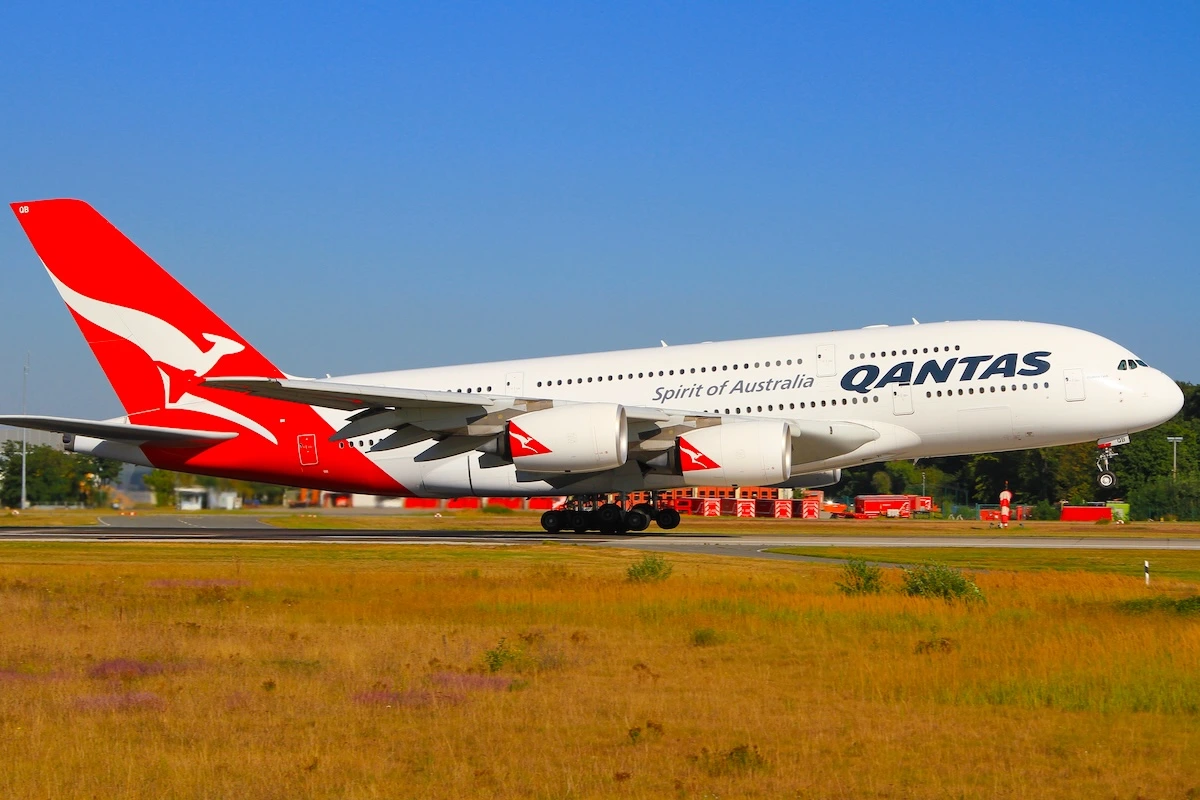
Qantas’ last Airbus A380 to return to service remains grounded in Los Angeles after a first flight back came with unfortunate circumstances.
The aircraft, operating its highly anticipated return flight as QF11, departed Sydney on 7 December 2025 as usual; however, what occurred during the flight was anything but routine.
Throughout the journey, passengers reported multiple technical issues affecting service across the plane, and upon landing, the key roadblock damage was visible on the wing.
Engineers discovered the damage, which centred on the left wing and the leading edge slat, and the aircraft was grounded, with the hope of a prompt return to service and, after years in long-term storage, back to Australia.
Unfortunately, almost two weeks after the incident, VH-OQC, under the name “Paul McGinness,” remains grounded in Los Angeles, with updates on its return to service scarce, as one would expect.

Qantas had informed at the time of the incident that the plane was expected to receive the necessary spare parts within a couple of days, but, as with these types of incidents and repairs, it can take time for the jet to return to service.
For such a large aircraft, and given the manner in which the incidents occurred after the jet spent so long away from Australian shores, it has been one of the most watched units worldwide, with many eagerly anticipating the plane receiving the all-clear.
Safety Must Always Come First
For engineers working closely on the aircraft, safety must be the number one priority. While this jet, which has been in storage for so long, had a plan for its return to service, that plan must be put on hold to prioritise safety.
While incidents such as what occurred on the A380 flight to Los Angeles are not the most common given the rate at which these planes are in the air, the incident aboard VH-OQC has attracted many more eyeballs and likely with that on Qantas’ end, a heightened degree of focus.
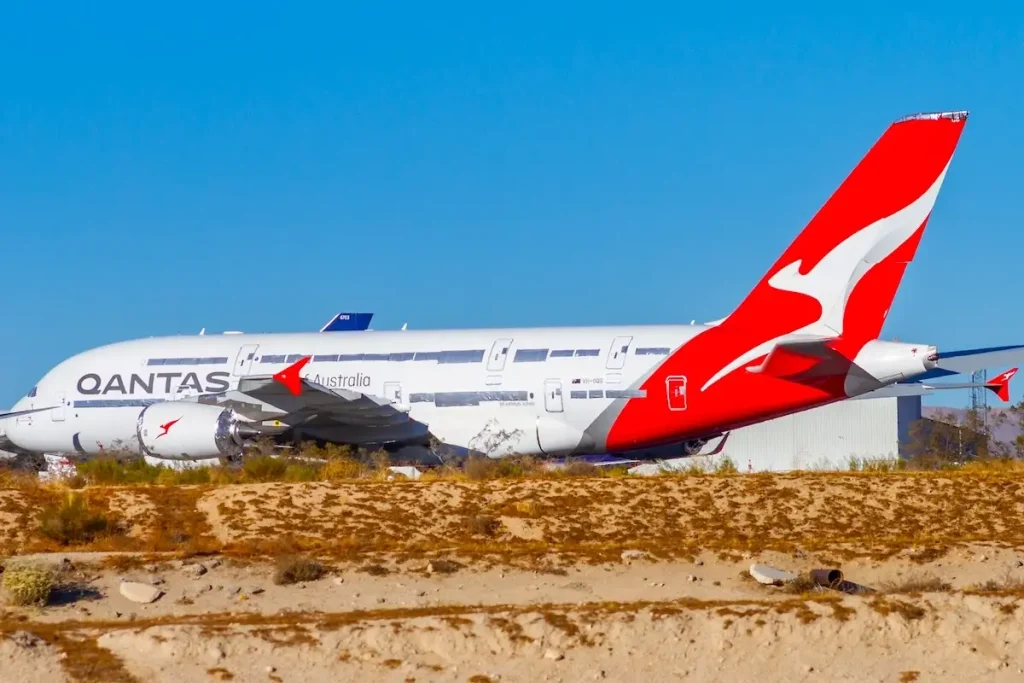
This Airbus A380 spent nearly six years on the ground in long-term storage; the return of this model, among others, was one of the most significant undertakings in the business.
With spending so long on the ground and such a complicated return flight to service, the teams at the Australian flag-carrier will be wanting to do everything in their power to ensure that no further complications arise on the plane in its future flights; therefore, meticulously checking the plane over.
The Return Of The A380
The return of the Airbus A380 was never guaranteed for many airlines, but for the Australian flag carrier, Qantas, it never quite felt that way; the airline remained committed to the type during the height of the COVID-19 pandemic.
The Australian flag-carrier believed the aircraft would have a place in its operations when demand returned, and it was right: the high-capacity aircraft proved critical for bringing Australia to the world.
However, the process for returning these panes, as evidenced by the last unit in VH-OQC, has been anything but simple and represents one of the airline’s biggest undertakings yet.
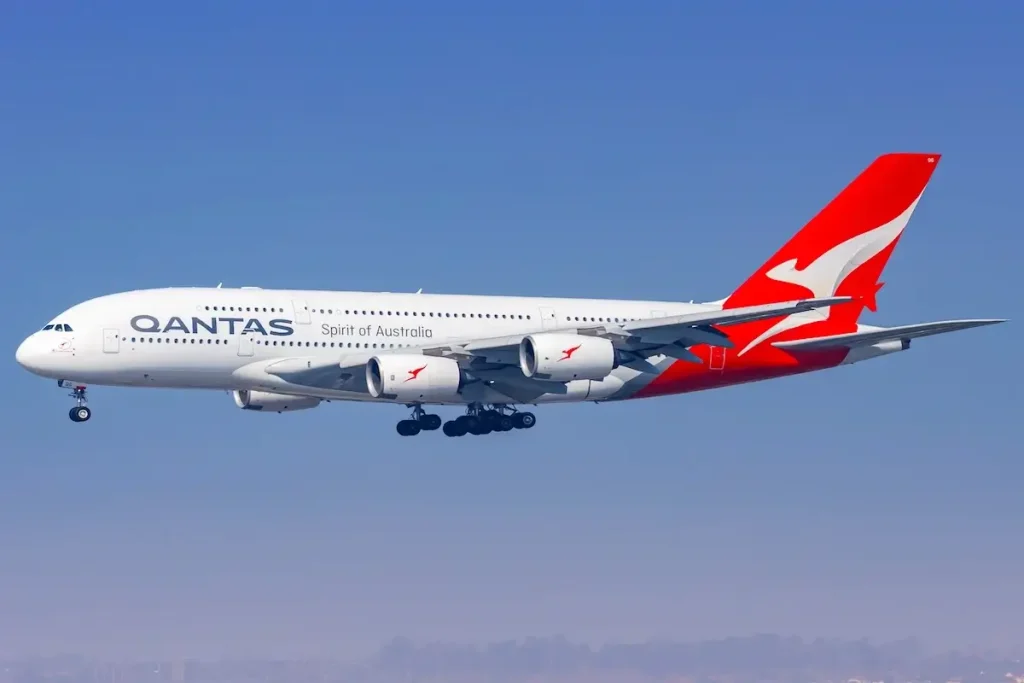
The airline said that bringing the A380 back to service required teams of engineers from right around the globe to come together and complete a staggering 100,000-plus hours of work to get the superjumbo flying again.
As part of the checks, the airline conducted general heavy maintenance, which led to cabin refreshes, a complete landing gear replacement, and other improvements to ensure the plane felt like it had never really left service.
That 12-year check is what the airline has said to this day is its largest-ever undertaking with the A380 fleet, and these plans will remain in the flag carrier’s operations into the 2030s, when the A350-1000 will replace them.

ABOUT THE AUTHOR
Daniel Fowkes is a Melbourne-based aviation analyst and journalist with over a decade of industry experience. As founder of Dj’s Aviation, he delivers trusted analysis on aircraft, airline strategy and global aviation trends for djsaviation.net
Related Articles




Stay Informed
Get the latest aviation news, analysis and route updates delivered to your inbox.
We respect your privacy. Unsubscribe at any time.
Enjoyed this story?
Make us your go-to for aviation news
Add us as a preferred source on Google and see our latest stories first in Top Stories.
Add Us On Your News Feed