
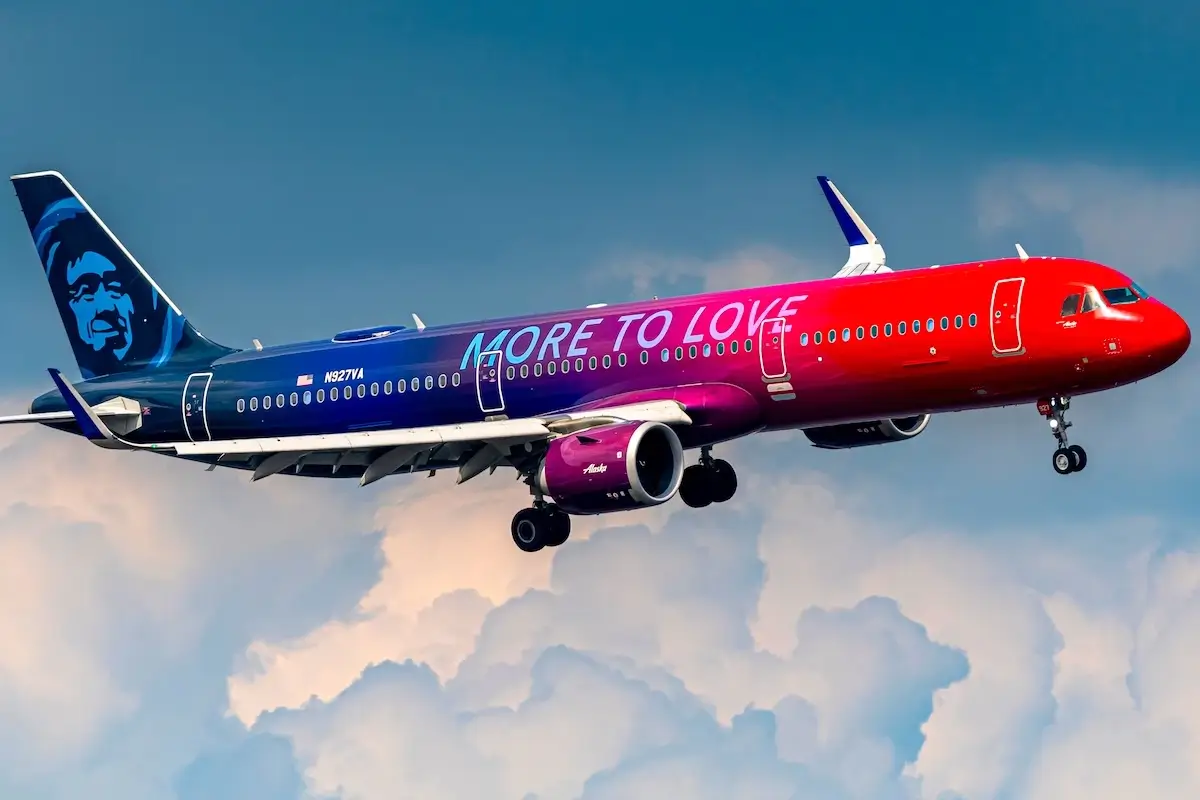
Alaska Airlines once flew Airbus aircraft, albeit for only a short time, enough to capture the industry’s attention.
However, now the thought of Alaska Airlines flying Airbus jets seems a distant memory, and for an airline to axe a brand-new aircraft, it typically only happens in extreme circumstances.
So, what happened to the Airbus aircraft at Alaska Airlines? How did the airline obtain them, and where is it positioned now?
Why Airbus At Alaska Airlines?
Rewinding the clock, Alaska Airlines’ acquisition of Airbus aircraft was not sourced directly from the manufacturer.
These Airbus aircraft across the A320 family were acquired explicitly through a merger with Virgin America, a name that has long disappeared in the U.S. sector.
This business, when it was acquired by Alaska Airlines, had Airbus aircraft to its name, and as a result, as is typical with most mergers, the assets were pooled together, and this resulted in planes that were not initially part of the fleet plan at the U.S. company now forming part of the business.
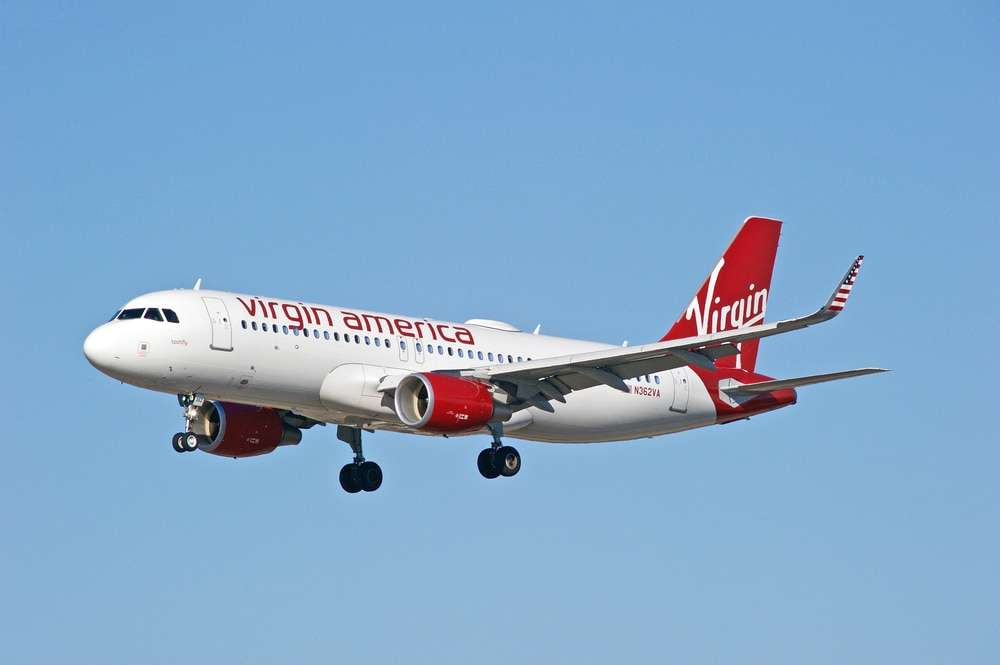
Unfortunately, almost immediately after the acquisition became a reality, the Airbus aircraft that were to be handed over to Alaska Airlines felt like quite a burden on the business, with the airline looking at any opportunity to rid itself of these planes.
While the jets came with next-generation capabilities, at times visible on the A321neo aircraft, they represented another fleet type that further complicated the long-established, heavily reliant fleet mix, which had been built around the competing 737 family.
For airline mergers such as this one, when resources are pooled, the management of assets such as aircraft is always one of the more complex areas that need sorting, primarily driven by possible differences in strategies implemented during acquisition efforts.
A Retirement Comes
When the COVID-19 pandemic arrived in 2020, Alaska Airlines had been flying the Airbus single-aisle A320 family extensively across its network. Still, the business couldn’t shake the feeling that the jet’s operations were a burden.
During the COVID-19 pandemic, the airline took the opportunity for weakened demand to make adjustments to its fleet, highlighted by a decision that felt a long time in the making involving its Airbus aircraft specifically.

The streamlining would see the business ditch Airbus and return to operating only Boeing planes in its mainline division. This involved removing nearly 70 jets, not just from the CEO model but also from the newly delivered and produced NEO variant.
When focusing specifically on the Airbus A321neos, these high-capacity jets were averaging under five years of age, yet even with their operating metrics and efficiency, the airline deemed them no longer suitable for operations; arguably, they never were.
After a lengthy process, Airbus’ presence in the Alaska Airlines fleet concluded in September 2023, when an A321neo operated the final flight; many of these jets were later transferred to American Airlines.
But Why Move Back To Boeing?
Moving back towards Boeing was viewed as a natural decision, a move necessary for the airline to compete as a single-fleet operator at the time of the initial announcement, an irony now with hindsight of what would come in the years ahead.
In essence, however, and strictly focusing on the retirement, the airline would look to commit to receiving only Boeing aircraft, as evidenced by its commitment to and heavy order for MAX aircraft, which will allow for the progressive renewal of the fleet and the departure of older 737NGs.

Alaska Airlines believes the MAX offers everything they need, and thus, having Airbus-produced single-aisle planes would overcomplicate matters.
Additionally, their CFO said at the time that refocusing their operations to have just the MAX operational across the mainline division would drive lower maintenance costs, better fuel efficiency, improved seat economics, and greater staff utilisation.
All in all, with Alaska Airlines having targeted high-margin growth for years, particularly as it emerged from the pandemic, these operational decisions were viewed internally as the best possible move to lay the foundation for a sustainable, brighter future.
Being a single-operator fleet has its positives, but it also has its downsides. Those negatives surround the concept of putting all your eggs in one basket and being liable for operational consequences if one thing goes wrong.
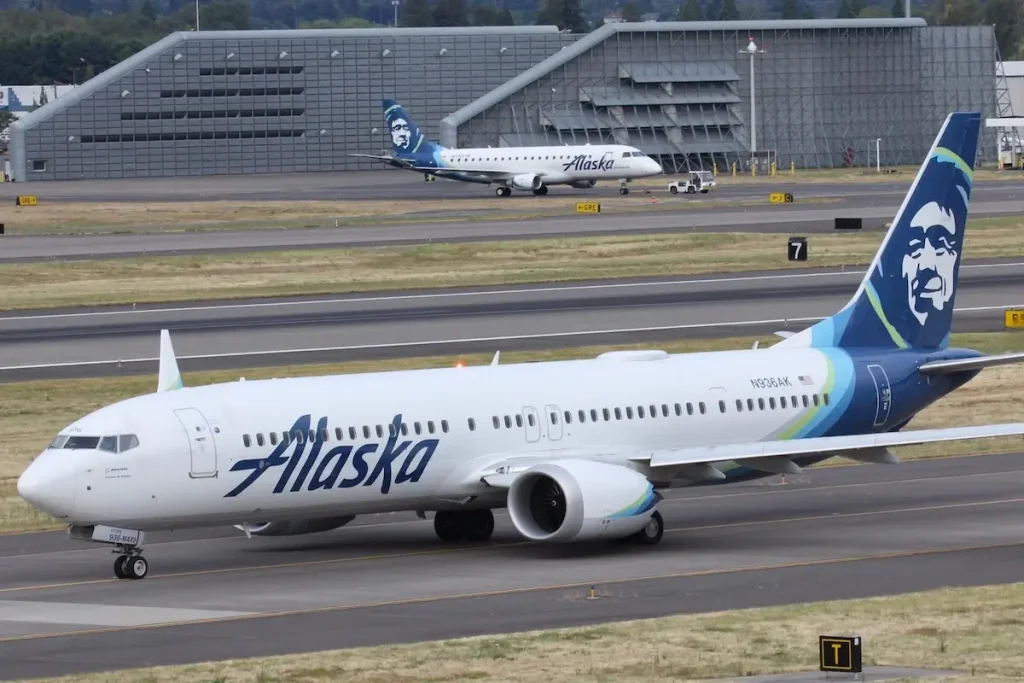
For example, for many years, systemic issues have halted progress across Boeing and impacted production, delivery, and the quality of delivered aircraft. This has even hit Alaska Airlines hard through its own incidents involving Boeing aircraft.
While some airlines would prefer sticking to one planemaker and even at times one family for the benefits, incidents like these highlight the risks in a highly competitive space.
Despite the axing of Airbus planes, given their youthful nature, they found a home with the likes of American Airlines; however, it wouldn’t be long before Airbus planes were back.
The Irony Of Acquiring Hawaiian Airlines
What some will point to as ironic is the airline’s major acquisition of Hawaiian Airlines, which is now taking shape and brings the two companies together under one roof.
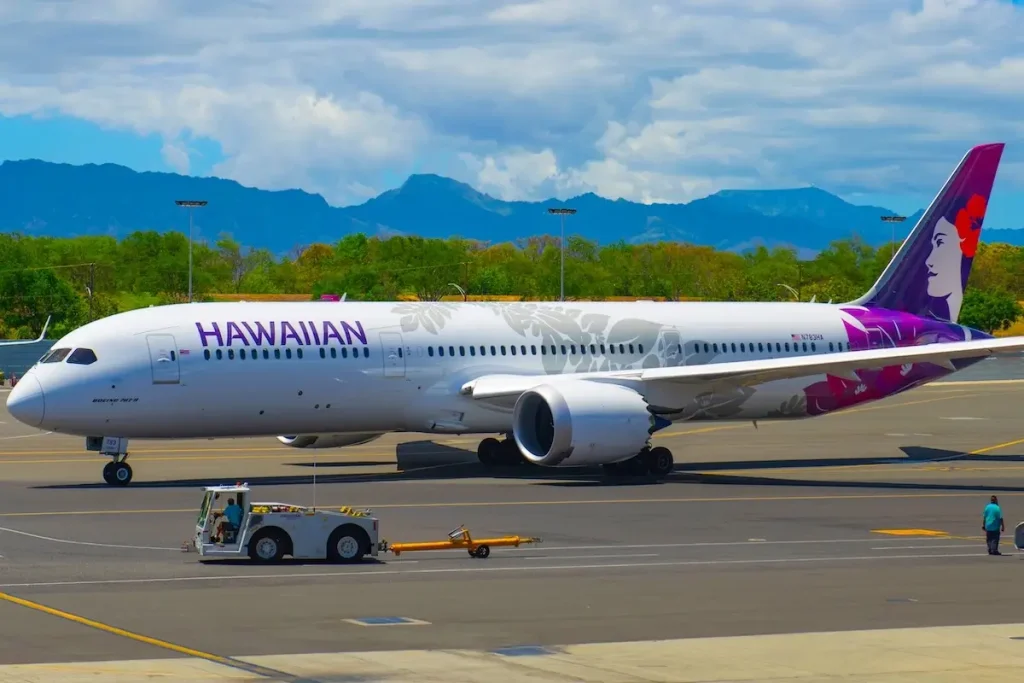
Alaska Airlines, while operating Airbus planes in its mainline division, spent years trying to phase them out, believing the shift to Boeing would bring far greater benefits.
But Hawaiian Airlines operates Airbus planes, including the A330 and A321neo, on inter-island and transpacific flights. After Alaska Airlines purchased the carrier, these planes would continue to fly with Hawaiian, but they would be part of the broader Alaska Airlines Group once more.
All this is further ironic, given previous commentary suggesting that a single fleet was stronger. Now, these Airbus single-aisle planes, while not entering the mainline fleet, will remain the business’s responsibility after years of trying to remove the jet.
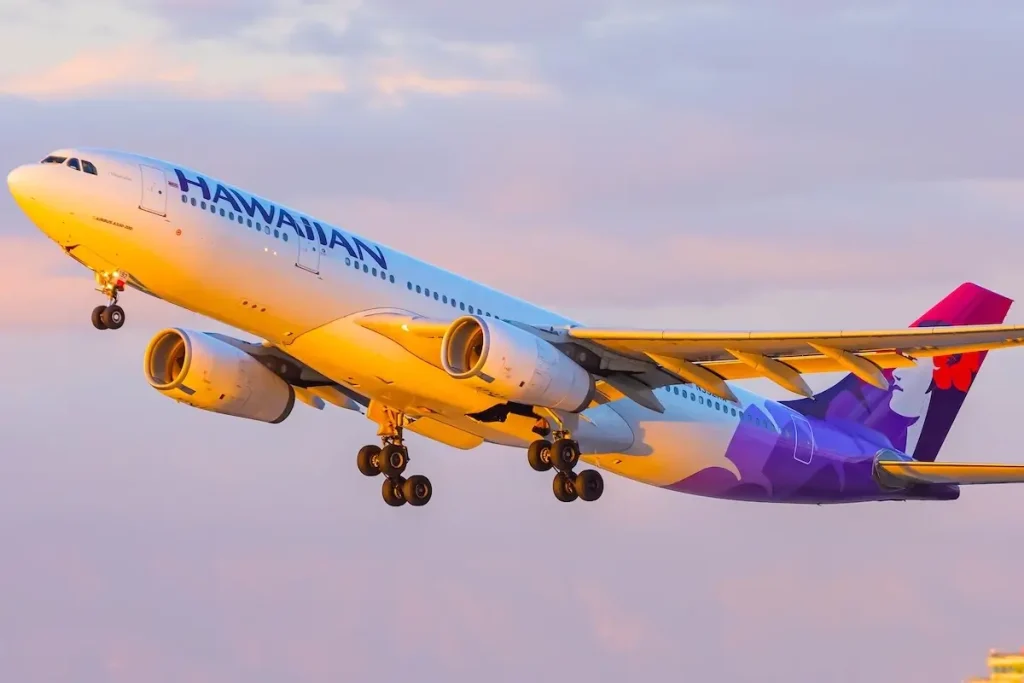
Ultimately, things change, whether in months or years, and with the business’s new focus on this endeavour to help bridge the gap between the big three airlines in the U.S., these Airbus planes will remain integral to the Group’s connectivity ambitions for the moment.

ABOUT THE AUTHOR
Daniel Fowkes is a Melbourne-based aviation analyst and journalist with over a decade of industry experience. As founder of Dj’s Aviation, he delivers trusted analysis on aircraft, airline strategy and global aviation trends for djsaviation.net
Leave a Reply
Related Articles




Stay Informed
Get the latest aviation news, analysis and route updates delivered to your inbox.
We respect your privacy. Unsubscribe at any time.
Enjoyed this story?
Make us your go-to for aviation news
Add us as a preferred source on Google and see our latest stories first in Top Stories.
Add Us On Your News Feed
This says nothing about Airbus but all about fleet incompatibility. It’s ironic indeed that they’re now faced with the same problem trying to integrate the Hawain fleet. Offloading those aircraft will be easy enough in today’s market, but obtaining Boeing replacements will be a huge problem – precisely because of those market conditions. I can see Alaska shares to take a beating as soon as this realisation hits Wall St. Hawain acquisition costs are one thing, integration- and mixed fleet-costs quite another.
As there would eventually be a crossover between the Alaskan and Virgin America route networks, a single fleet made sense. In simple terms this un-complicated the operations of the merged airline.
Hawaiian Airlines route network seems to sit on the side of Alaska Airlines, operating somewhat independently of the wider group. Possibly, the synergies associated with a single type fleet were not that compelling in this instance.
Over the longer term, the arguments a single fleet type could become stronger.
The decision was purely based on fanboyism in my opinion. The A320 family had been proven to be superior and the order book does this. There is no irony they still ended up with Hawaiian A320s, it’s reality that a significant majority of airlines, especially full service, own A320s, so if they still want to keep merging with other airlines, they will most probably have A320s.