
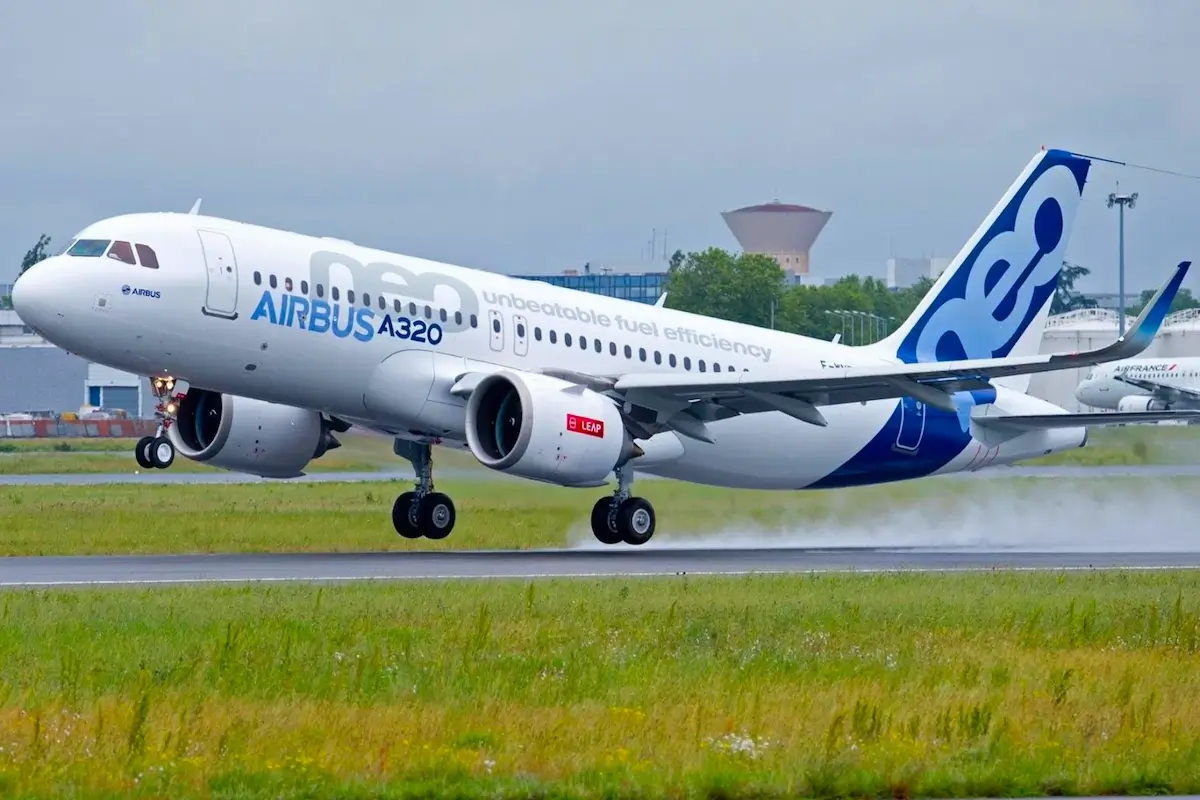
It has been a challenging last week for Airbus, and that now continues with fresh Pratt & Whitney concerns.
Following exclusive reporting by aeroTELEGRAPH, Airbus has confirmed that it’s now being forced to restrict the operations of aircraft equipped with Pratt & Whitney engines, with only some jets affected.
These restrictions focus on cold-weather operations for the A320neo family aircraft with Geared Turbofan issues and follow concerns emerging over operations during freezing and foggy conditions.
That reporting from aeroTELEGRAPH highlighted Air Astana’s operations with the A320neo family, where it experienced weather delays in mid-November, confirming that departures would be affected on some of its new-engine Airbus models.
The company confirmed in a statement to the publication that when conditions include sub-zero temperatures paired with fog, there’s a risk of perfromance being impacted, which affects the A320neo family of aircraft.
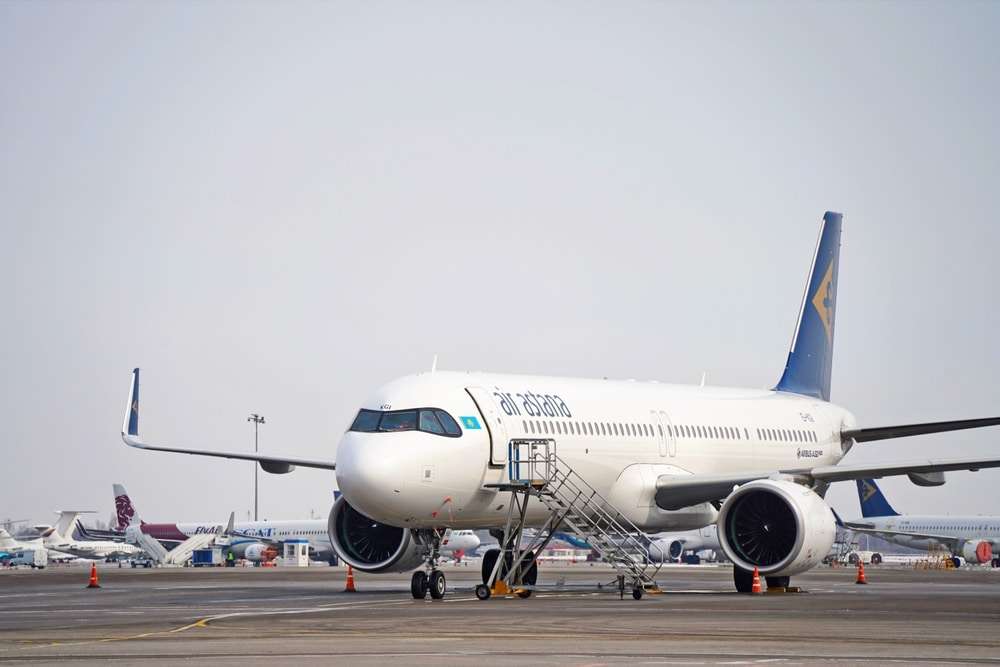
While this seemingly adds further complications to Pratt & Whitney GTF engines, it’s essential to understand that the latest cold-weather restrictions implemented across the NEO family are not related to the other powered metal obstacles.
These power metal woes, paired with recent supply chain complications affecting the Pratt & Whitney shops, have led to aircraft being grounded right around the world. This is separate, but the latest weather restrictions only complicate GTF operators.
What Airbus Has Done
As a result of these findings, Pratt & Whitney engines are facing new operational restrictions, with a focus on severe weather, including freezing conditions where fog reduces visibility to less than 150 metres.
Airbus hopes that, with this and other related changes to operating procedures, engine performance will not falter or further degrade.
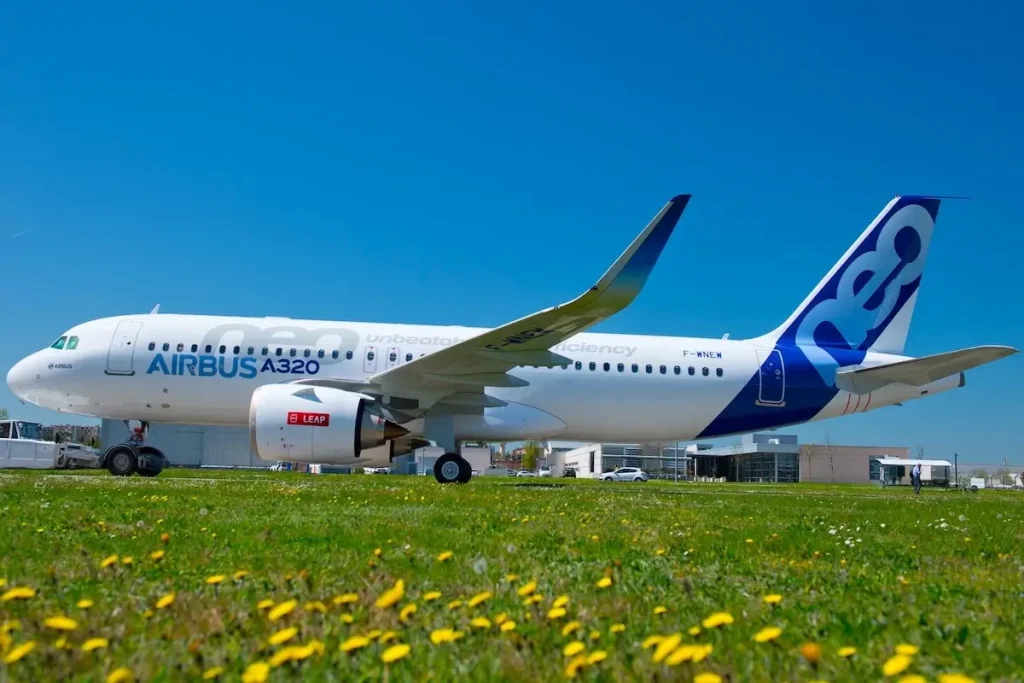
With the Pratt & Whitney GTF widely used around the world, not all airlines will see their aircraft operate under conditions such as these; however, the planemaker knows this cannot continue and, as such, is in close communication with customers.
For example, at Air Astana’s home base, Almaty International Airport, these weather conditions are common, which negatively impact its operations, especially given the airline’s reliance on the Airbus A320neo family for its single-aisle operations.
Other operators, while not necessarily based in cold-weather markets, may utilise their single-aisle A320neo family aircraft on services to locations that experience extreme conditions, raising concerns about operations.
Air Astana has 11 Airbus A320neo aircraft, with an average age of 4.2 years. Planespotters.net data available to the public indicates that eight models are in active service while three are grounded.
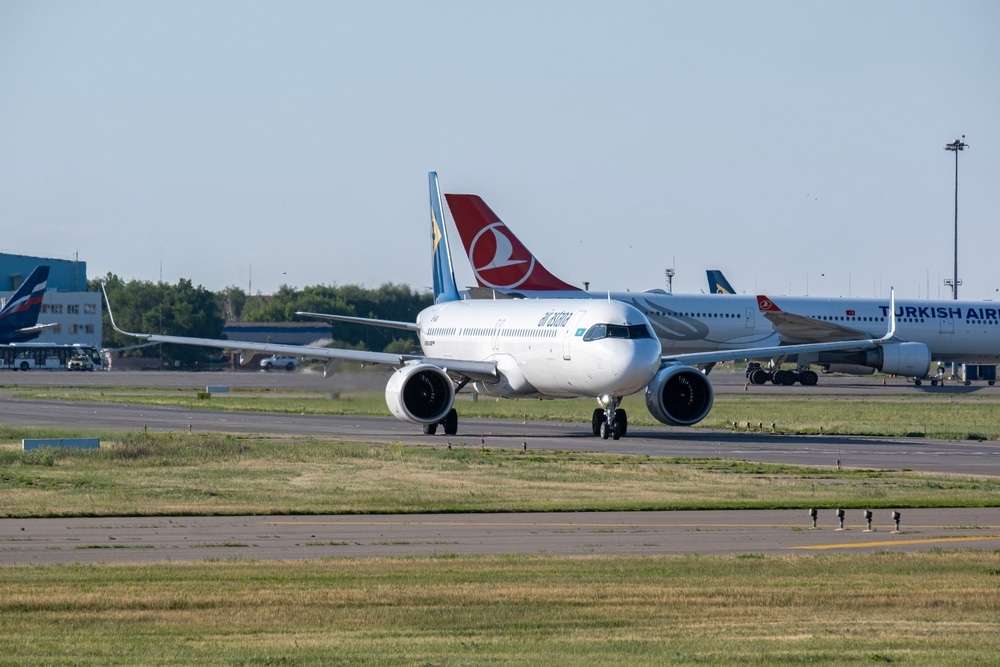
As for the airlines’ reliance on the A321neo, it is greater: 17 models have been delivered, one unit is listed as parked, bringing the active fleet to 16, and the average age is 4.7 years.
With 28 of the airline’s 34 aircraft from the A320neo family, the risk of performance being affected by such conditions could severely disrupt the airline’s operations.

ABOUT THE AUTHOR
Daniel Fowkes is a Melbourne-based aviation analyst and journalist with over a decade of industry experience. As founder of Dj’s Aviation, he delivers trusted analysis on aircraft, airline strategy and global aviation trends for djsaviation.net
Related Articles




Stay Informed
Get the latest aviation news, analysis and route updates delivered to your inbox.
We respect your privacy. Unsubscribe at any time.
Enjoyed this story?
Make us your go-to for aviation news
Add us as a preferred source on Google and see our latest stories first in Top Stories.
Add Us On Your News Feed