
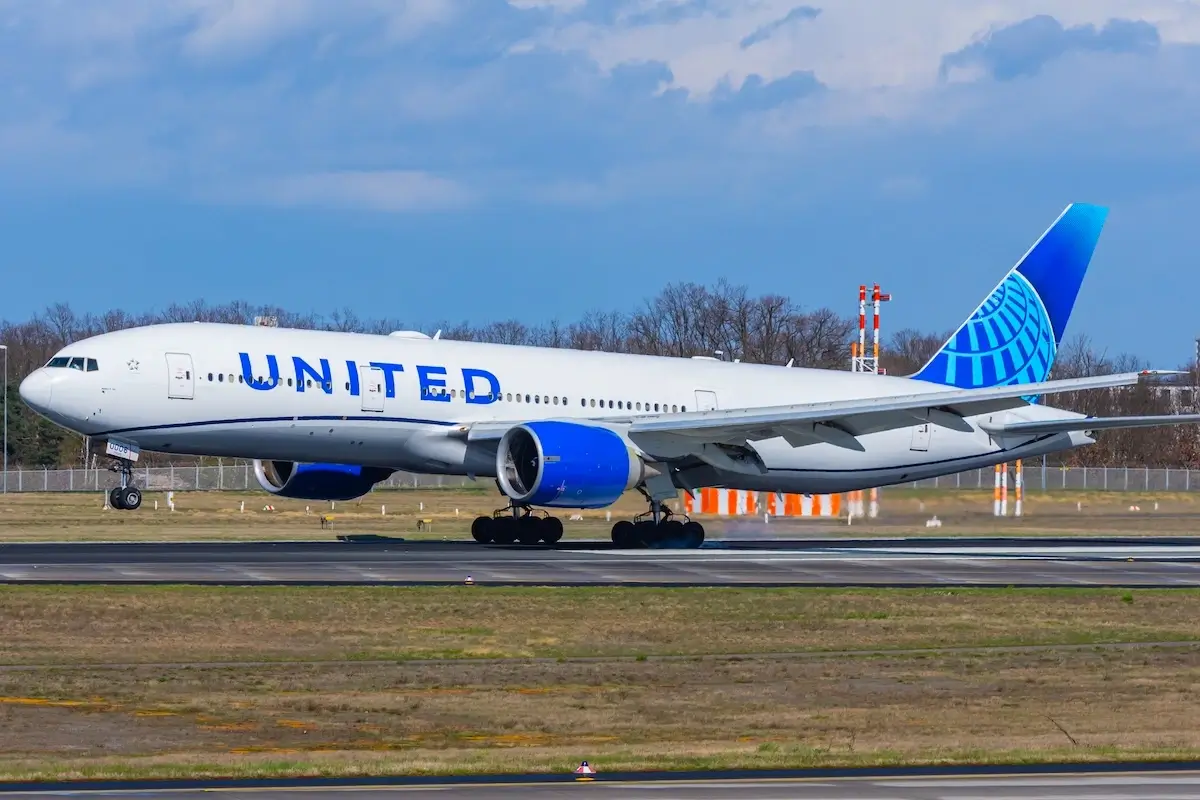
Contrary to reports, United Airlines has not retired its first Boeing 777 delivered as part of renewal efforts.
Reports of the first retirement follow the aircraft on a short trip from San Francisco to Victorville as UA3892, where planes typically end their operational life or enter storage. That’s where this model is heading.
Registered as N777UA, the aircraft was first delivered to the U.S. carrier in May 1995, just a month after its first flight on 25 April 1995. The aircraft also holds Line Number 7 and is 30.6 years old, a significant feat for this aircraft type.
The 777, since delivery, has served United Airlines extensively, flying right around the world, and despite its age, has continued right throughout 2025 to serve the airline as it has done best since its first delivery three decades ago.

What’s Happening With The 777?
Instead of the 777-200 heading to Victorville for scrapping and retirement, it’s being parked to rotate airframes in and out of storage, all driven by the lack of parts available for Pratt & Whitney engines, a problem visible across the 777 fleet.
For United Airlines, the focus is on the PW4000 engines that power some of the Boeing 777 fleet at the U.S. carrier, and more specifically on the obstacles to their availability, driven by the aircraft and thus the engines’ sheer age rather than supply chain issues, which have become all too familiar.
The Pratt & Whitney engine constraints affecting United Airlines’ Boeing 777-200 fleet, however, date back to just beyond the recent groundings and to an incident in February 2021 involving Flight UA328.

This incident involved a 777-200 powered by PW4077 engines and suffered a failure shortly after departure from Denver.
As a result, the FAA and the NTSB responded quickly, conducting inspections and investigations. Immediately following the investigations, concerns arose about metal fatigue.
After a year, the 777 fleet returned to service with new standards in place, but this was a setback for fleet operations, and engine availability remains a pressing issue for United Airlines as it moves into the back half of the 2020s.
That pressure centres on ongoing engine overhauls, which are moving planes to storage and leaving them unable to get back into service quickly enough, even despite their age.
A Retirement At United Airlines?
While the first delivered 777 to the airline recently crossed the 30-year mark, the Boeing 777 fleet is expected to remain strong for the remainder of this year.
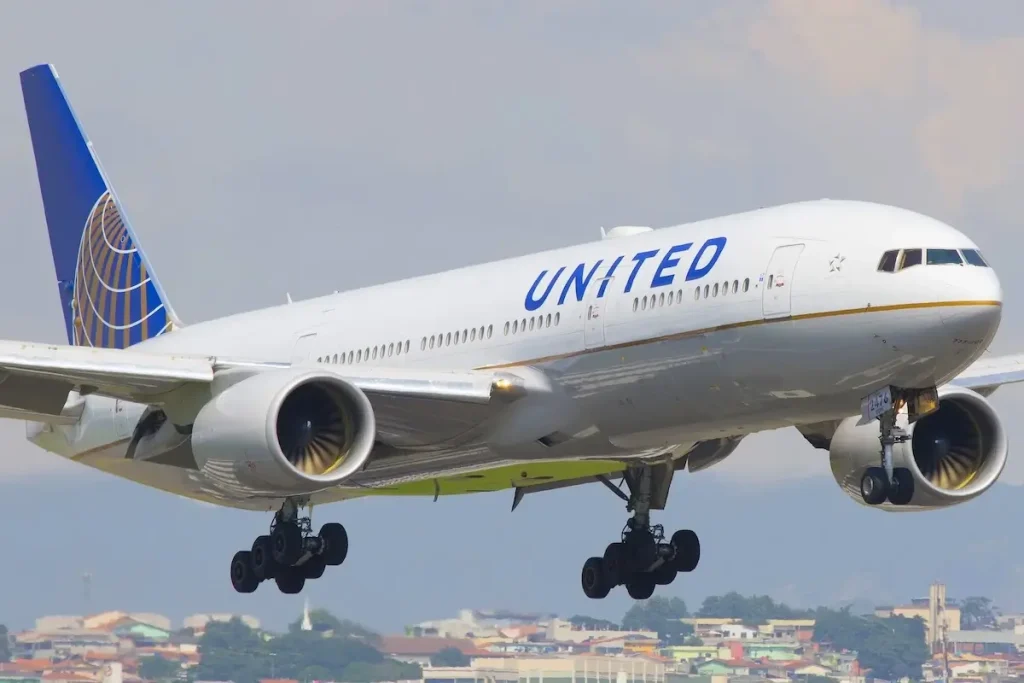
In the airline’s latest investor update, it confirmed that its 777-200/300 fleet would stand at 96 units, with no expected retirements. This does not account for short-term parkings to battle the ongoing engine woes, and while it is subject to change, it was part of the fleet plan published on October 15, 2025.
However, there is the expectation that the A319 and A320 fleets will begin being removed this year, with the fleet dropping from 159 to 140 by year-end. Every other fleet type will either stay the same or grow in numbers, even across its regional division.
The airline hopes that by the year’s end its mainline fleet will stand at 1,065 aircraft, complemented by 429 regional aircraft operating domestically; these figures are subject to change and are based solely on the current delivery forecasts it has been provided.

Given ongoing supply chain challenges and the continued struggles of Airbus and Boeing to deliver aircraft on time to airlines such as United Airlines, these figures cannot be stated with any certainty and are mainly intended as targets to present to investors and the public.

ABOUT THE AUTHOR
Daniel Fowkes is a Melbourne-based aviation analyst and journalist with over a decade of industry experience. As founder of Dj’s Aviation, he delivers trusted analysis on aircraft, airline strategy and global aviation trends for djsaviation.net
Related Articles




Stay Informed
Get the latest aviation news, analysis and route updates delivered to your inbox.
We respect your privacy. Unsubscribe at any time.
Enjoyed this story?
Make us your go-to for aviation news
Add us as a preferred source on Google and see our latest stories first in Top Stories.
Add Us On Your News FeedRelated articles
· Airlines
Allegiant Air Buys Six More 737-8s From Boeing
Daniel Fowkes
26/10/2026
· Airlines
Emirates vs Qatar Airways: The Gulf Superhub Rivalry Compared
Bryan Shelmon
26/10/2026
· Airlines
Riyadh Air Is Moving Away From Riyadh
Daniel Fowkes
26/10/2026
· Airlines
Emirates Isn’t Worried At All
Daniel Fowkes
25/10/2026