

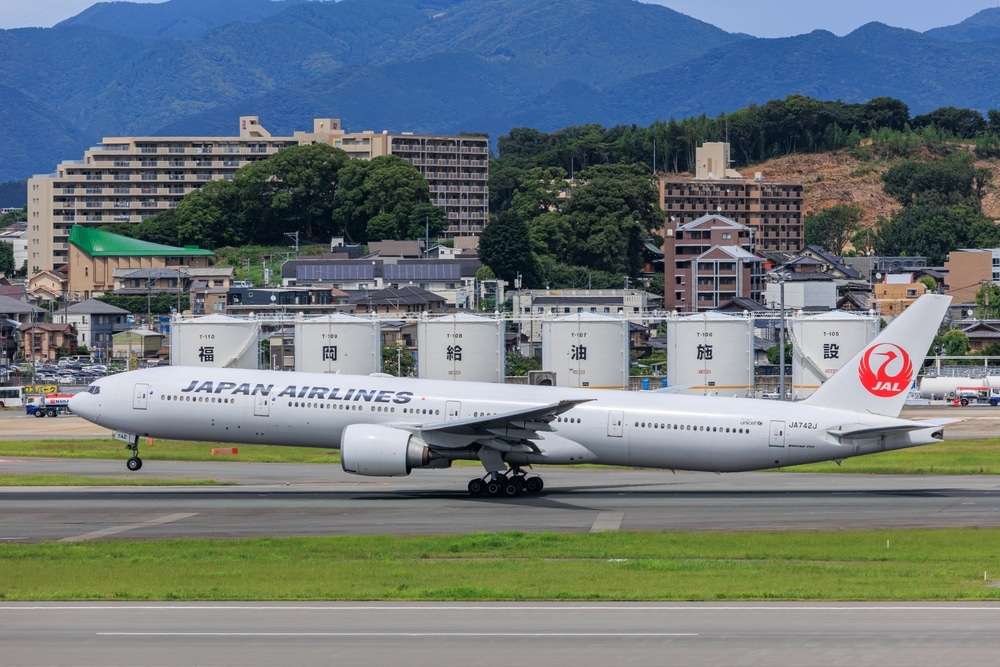
Japan Airlines, currently in the midst of a fleet renewal, has said goodbye to another Boeing 777.
The airline has now moved ahead with the fourth 777-300ER to be retired, registered as JA732J, flagged by aviationwire-jp, the final flight occurring between Sydney and Haneda as JL52.
This aircraft was first delivered to Japan Airlines on 1 July 2004, after being configured as a testbed for Boeing, where it was registered as N5017V and used for over 12 months.
Since being delivered to Japan Airlines, the aircraft has completed daily missions across the airline’s network, worn multiple special colours, including the “Samurai Blue 2006” livery, and held the oneworld titles.
After 21 years in operation, the aircraft is expected to be prepared for an official sale, after which the airline will formally say farewell to the unit in the early stages of next year.
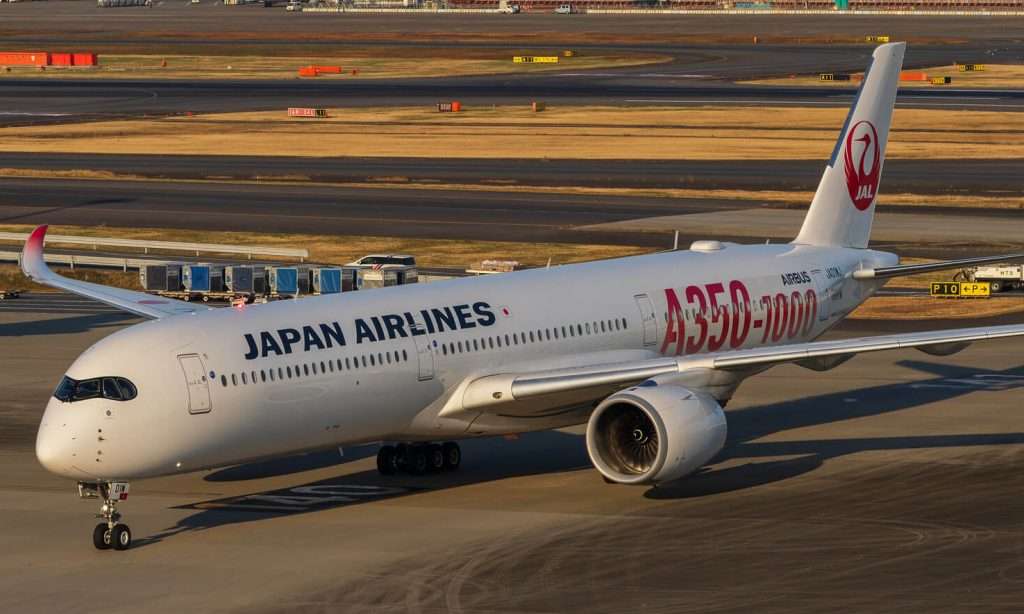
With the Airbus A350-1000 set to replace the Boeing 777-300ER, the airline has already taken delivery of 10 units. This is the youngest model in its fleet, averaging 1.3 years of age.
Additionally, the 77 fleet has now been reduced with the airline having nine units remaining spread across the business, ranging from 16 years up to the oldest at 20.5 years, this JA733J.
Japan Airlines Battles Aircraft Delays
For Japan Airlines, the A350-1000 is viewed as a like-for-like replacement for the 777-300ER. The airline has gone so far as to order 13 of this model to replace the 777-300ERs one-for-one.
While the Airbus high-capacity jet has continued to integrate into the operation and is fit for purpose, the delayed delivery of other planes is complicating matters within the Japanese business, forcing adjustments to retain efforts.
Initially, it was thought that with every arrival of an A350-1000, Japan Airlines would farewell a 777-300ER, but now it finds itself in a position where the delayed delivery of more mid-sized planes means the 777s must remain, as the lack of capacity cannot be sustained.
Simply put, Japan Airlines now finds itself in both an unfortunate position due to aircraft delays and a fortunate one to have an aircraft such as the 777, which can remain in place and act as a backup during periods of greater uncertainty in deliveries.
Moving forward, Japan Airlines will be able to leverage the 777’s capabilities across its network and make necessary changes to mitigate capacity loss if required, however, still keeping in mind that the 777 will not be viewed as a long-term solution, a strategy adopted at other global airlines too.
In June, the airline’s Managing Director said that the long-haul jets’ formal retirement is still some time off, which represents a pushback on the previously outlined retirement date and a neccesary postponement.
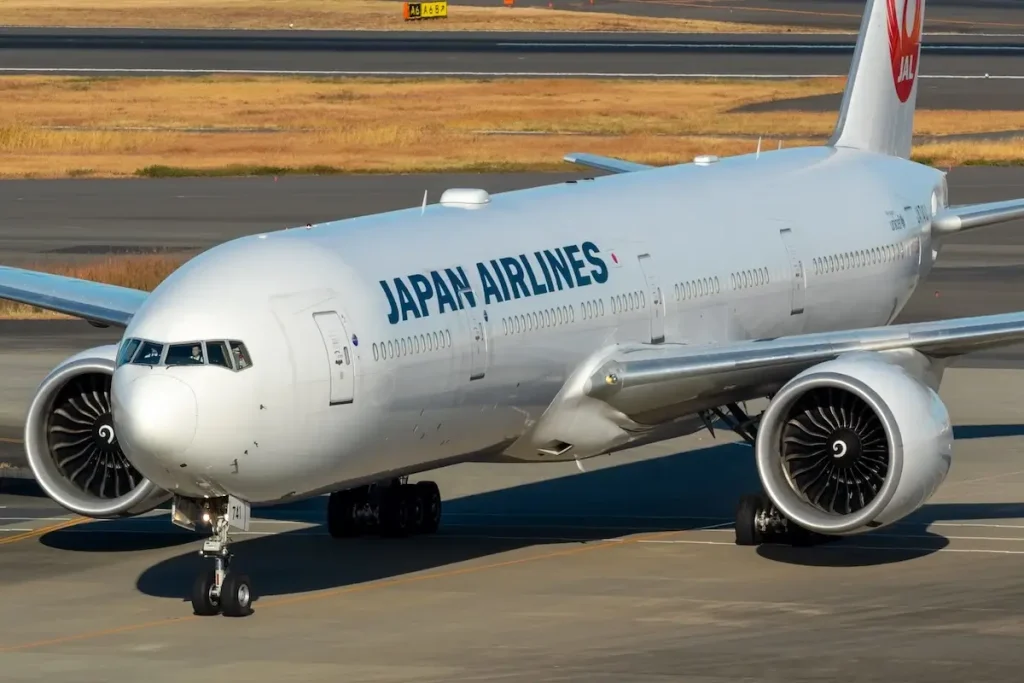
Japan Airlines has still moved ahead with the retirement of some 777-300ERs, but the rapid extension of this fleet type is not occurring, as this workhorse holds the important insurance label across international routes due to its equal reliability and operational capacity.

ABOUT THE AUTHOR
Daniel Fowkes is a Melbourne-based aviation analyst and journalist with over a decade of industry experience. As founder of Dj’s Aviation, he delivers trusted analysis on aircraft, airline strategy and global aviation trends for djsaviation.net
Leave a Reply
Related Articles




Stay Informed
Get the latest aviation news, analysis and route updates delivered to your inbox.
We respect your privacy. Unsubscribe at any time.
Enjoyed this story?
Make us your go-to for aviation news
Add us as a preferred source on Google and see our latest stories first in Top Stories.
Add Us On Your News Feed
A very sad time for JAL’s B773s. This is certainly no surprise. JAL was a strong Boeing long haul supporter until something happened in the Boeing boardroom many years ago.