

Turkish Airlines’ Pratt & Whitney engine woes with the A320neo family are continuing.
While the major international airline has been coordinating closely with Pratt & Whitney to resolve the issue, it has encountered many roadblocks.
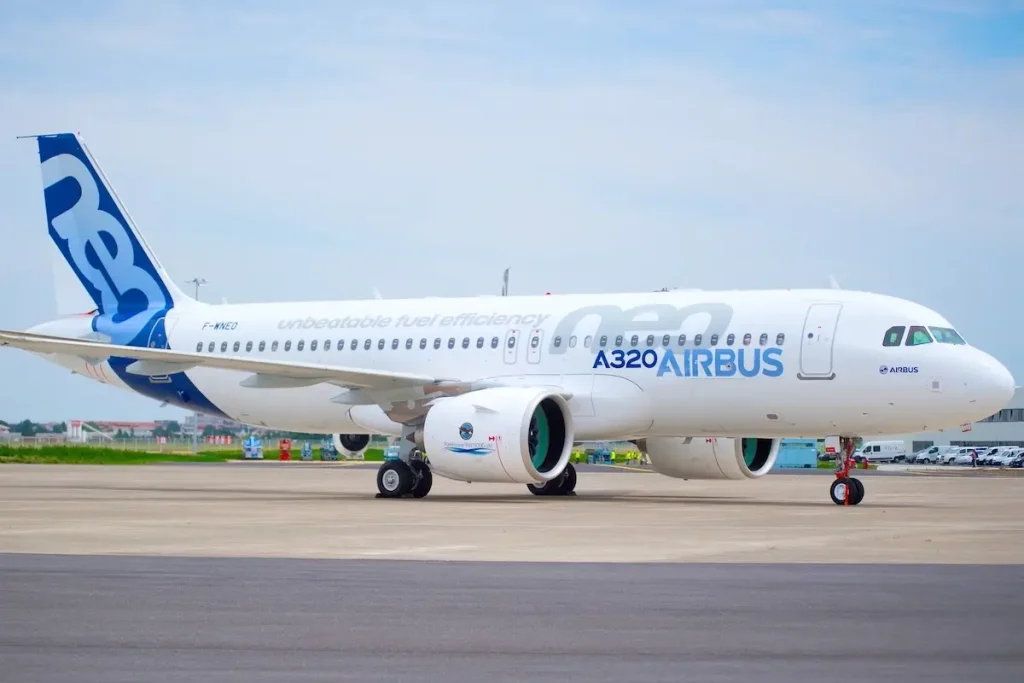
The company says that for the moment a sizeable number of its A320neo family aircraft remain on the ground, with around 40 aircraft currently parked.
The confirmation arrived during the airline’s most recent third-quarter earnings, which stated that 40 of the 100 or so GTF-powered NEO aircraft are out of service, with the Geared Turbofan engine as the focus.
Seeing nearly half of the NEO fleet grounded is far from ideal for Turkish Airlines, and the broader industry is feeling the same, as pressures won’t let up.
Turkish Arlines forecasts, however, that the groundings will not necessarily improve but rather worsen over time, with the figure likely to reach a peak of 50 A320neo family aircraft equipped with GTF engines on the ground at one point.
Once Turkish Airlines sees a peak of around 50 aircraft parked, it is believed things will begin to improve slowly, with the figure dropping ever so slightly throughout 2026, freeing up more aircraft for the network.

For airlines such as Turkish Airlines, while there may be ever-so-slight improvements in the overall number of units on the ground, this doesn’t entirely eradicate the problem; it will remain a persistent concern for a prolonged period.
Improvement at Turkish Airlines won’t come down to just grounding existing Pratt & Whitney-powered aircraft; solving the woes is more about new aircraft deliveries.
Turkish Airlines has committed heavily to next-generation aircraft. With a strong backlog, the delivery of new planes equipped with healthy GTF engines allows the airline to keep crew and aircraft utilisation rates up, even with so many units parked.
Turkish Airlines Far From Alone
Unfortunately, Turkish Airlines’ reporting of Pratt & Whitney engine discomfort is not isolated; it is part of a broader industry trend affecting airliners worldwide.
Each airline’s set of circumstances has equally been different, some feeling the heat more than others and equally frustrations at various levels.
In some instances, airlines have looked to leasing markets to secure much-needed temporary capacity, whereas others have turned to engine manufacturers for compensation payments to mitigate losses.
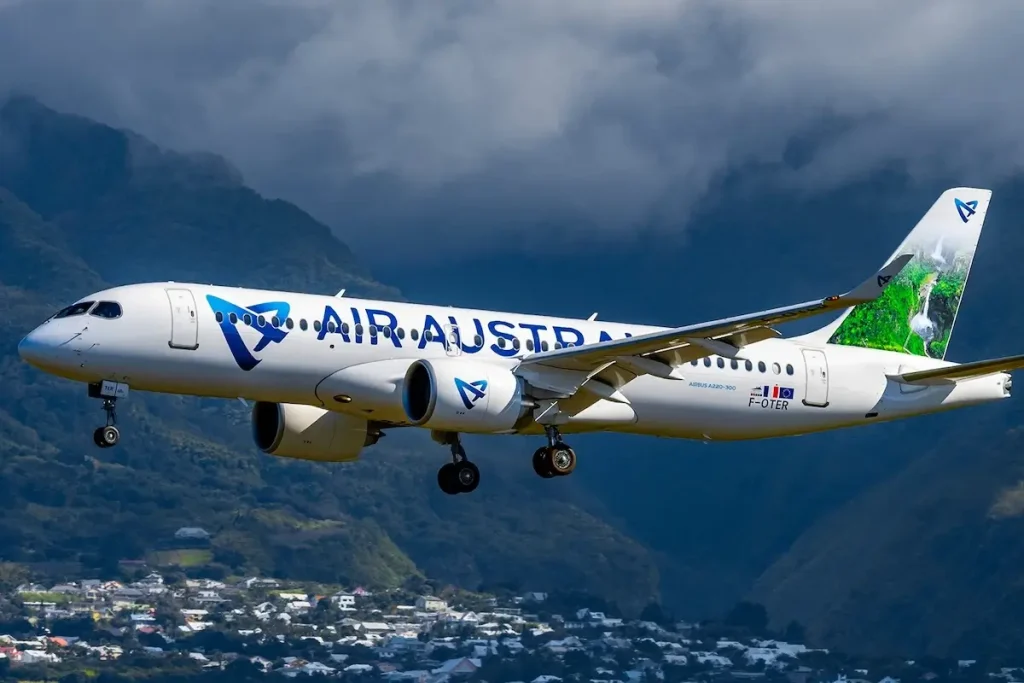
On the more extreme side, Air Austral has completely removed the A220, an aircraft type powered by Pratt & Whitney GTF engines, a decision made at the beginning of the month to sign an LOI with Macquarie AirFinance for the acquisition of the A320neo.
Under this agreement, deliveries for two aircraft would come in March and May of 2026, to help replace the outgoing A220-300, which the airline has decided to cut its losses on after years of trouble.
In the case of Air Austral, its frustrations reached a very public level, with the airline saying it had held discussions with Pratt & Whitney over the engine woes and that it would deliver on promises of improvement. Still, the visible improvement hasn’t been at the required rate. The business is now simply cutting its losses to avoid further damage.
Other airlines, for example, Air New Zealand, have been forced to slash capacity as it continues to battle aircraft groundings across its Airbus A320neo family.
Meanwhile, Wizz Air, one of Europe’s leading budget carriers, doesn’t expect the groundings to let up until the latter stages of the 2020s, a rather negative outlook that will result in more than seven years’ worth of engine troubles.
While airlines’ frustrations are naturally over the groundings themselves, the lack of communication and the inability to provide a timeframe for resolution have been among the more challenging elements for airlines to navigate.

ABOUT THE AUTHOR
Daniel Fowkes is a Melbourne-based aviation analyst and journalist with over a decade of industry experience. As founder of Dj’s Aviation, he delivers trusted analysis on aircraft, airline strategy and global aviation trends for djsaviation.net
Related Articles




Stay Informed
Get the latest aviation news, analysis and route updates delivered to your inbox.
We respect your privacy. Unsubscribe at any time.
Enjoyed this story?
Make us your go-to for aviation news
Add us as a preferred source on Google and see our latest stories first in Top Stories.
Add Us On Your News Feed