
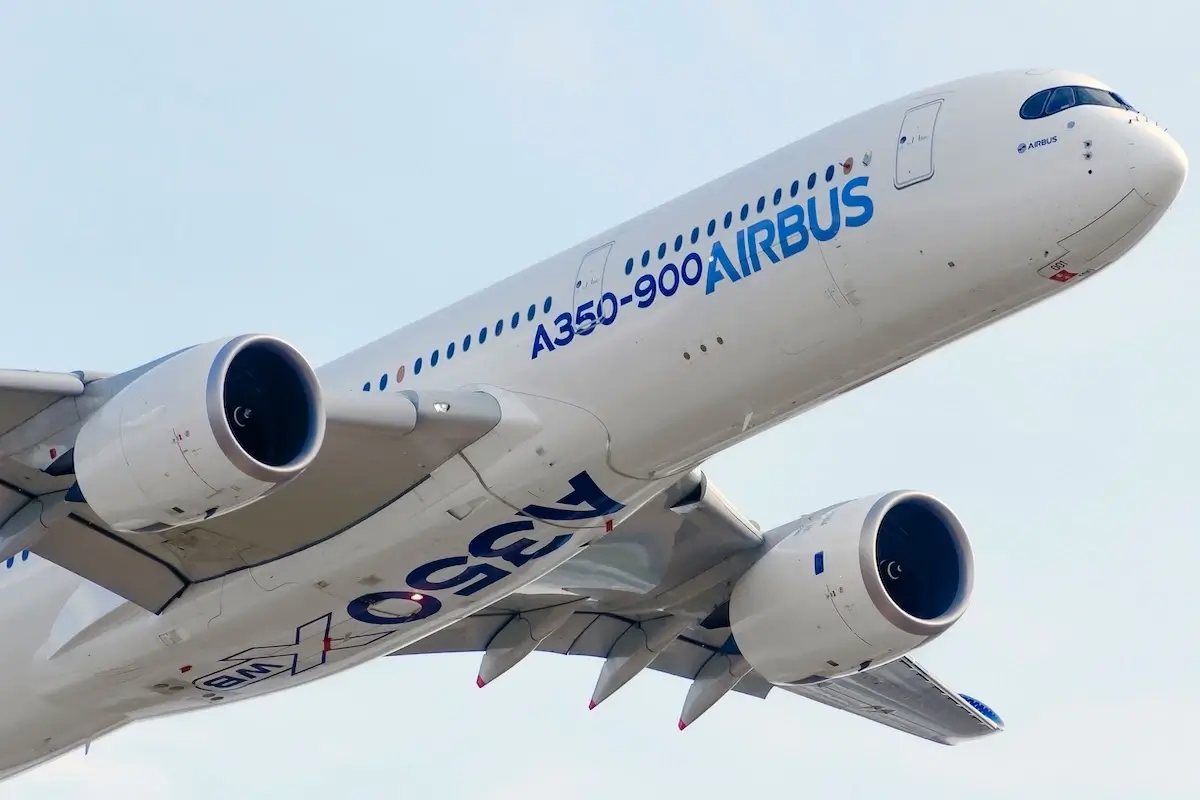
Bangladesh is currently evolving its aviation network, and Airbus and Boeing will go head-to-head.
An official for the country confirmed that proposals have been put forward, namely from Airbus, for another part of a future aircraft deal.
That proposed deal would include 10 of the Airbus A350s with four of the A320neo aircraft, a mix therefore between narrow and widebody aircraft.
However, Airbus will go up against its traditional rival, Boeing, to secure the deal formally, with the American planemaker offering 10 787 Dreamliners and 4 737 MAX jets as the perfect alternative.
BSS, a state-run Bangladesh news agency, reported that the country is currently reviewing the proposal with Biman Bangladesh Airlines, determining what is the best direction for the future purchase.
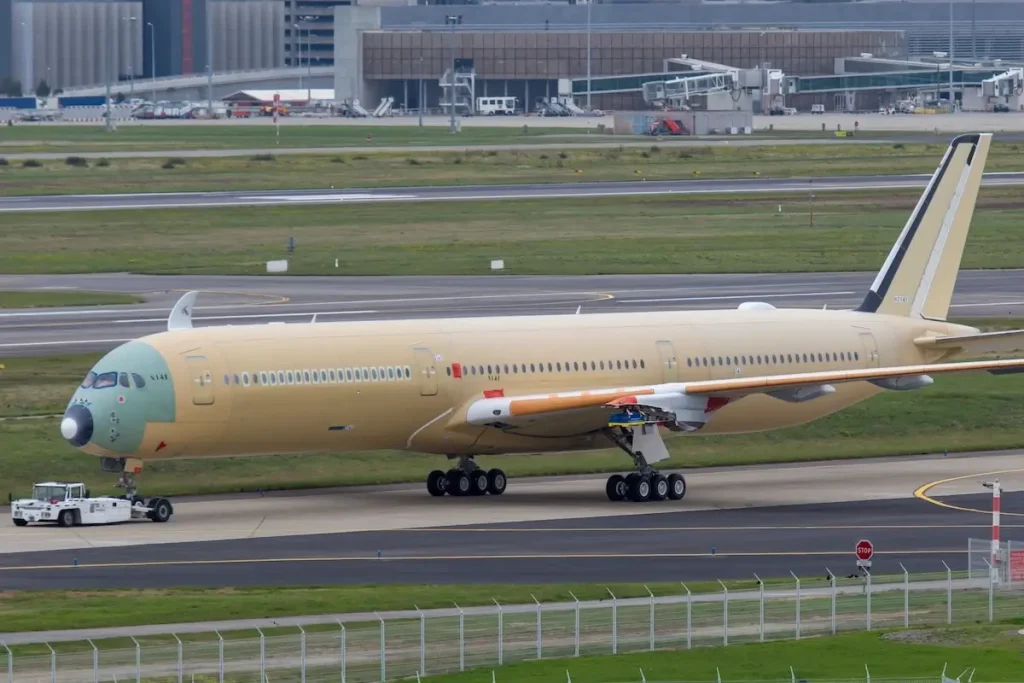
On both ends, delegates will look to push each respective deal, whether those in Europe for Airbus to win the contract, or those in the United States trying to push Bangladesh to go back once again for the American planemaker.
The Other Deal Away From Airbus
As part of ongoing relations with the United States and a tariff deal that was struck, Bangladesh has ordered 25 widebody jets from the American planemaker, Boeing.
Under current delivery forecasts, Bangladesh expects to take delivery of the first aircraft from this latest deal in 2029; however, specifics on the order have yet to be confirmed, as has been the case with many other aircraft orders driven by trade deals.
While there are benefits for the Bangladesh aviation sector, the deal with the United States also involves the ramping up of American imports and a subsequent steep drop in tariffs from the current administration.
Furthermore, the Boeing plane deal represents an increase from the previously agreed-upon 14-plane deal, as reporters suggested following positive discussions held over time.

As these discussions progressed, Boeing and the United States added an additional 11 units, following studies and a general consensus that more planes would be better for boosting capacity in Bangladesh’s aviation sector.
Transitioning towards next-generation aircraft and, more importantly, increasing fleet sizes will be key to ramping up flying to specific markets; therefore, this latest purchase is crucial for that.
The flag carrier of Bangladesh is Biman Bangladesh Airlines, also known as Biman, with its central hub at Hazrat Shahjalal International Airport in Dhaka, and is expected to be the primary beneficiary of the deal.

ABOUT THE AUTHOR
Daniel Fowkes is a Melbourne-based aviation analyst and journalist with over a decade of industry experience. As founder of Dj’s Aviation, he delivers trusted analysis on aircraft, airline strategy and global aviation trends for djsaviation.net
Leave a Reply
Related Articles




Stay Informed
Get the latest aviation news, analysis and route updates delivered to your inbox.
We respect your privacy. Unsubscribe at any time.
Enjoyed this story?
Make us your go-to for aviation news
Add us as a preferred source on Google and see our latest stories first in Top Stories.
Add Us On Your News Feed
Yeah, a country that can’t provide clean water or or air or adequate housing or sanitation for its citizens to spend a few billion dollars to enlarge their airlines seems to make sense
Biman. No thanks. Saw a DC10 of theirs parked on the runway at Chittagong for months. Nose wheel collapsed, bricks under the landing gear. Jets couldn’t land, had to get a prop jet from Dhaka. Another time on a Biman flight from BKK to Dhaka, pilots were smoking during the flight, in the cockpit. Wafted all through the plane, and a flight attendant confirmed it was the pilots.
For a common màn, it is difficult to make a comparison between two manufacturers. Looking at the market, current political and commercial situation, Boeing seems to be ahead. In my view, it is not necessary to focus on technical superiority, but rather on Trump’s abuse of US financial strength, the Trump use of tariffs as a weapon, the US industry’s failure to produce goods at competitive prices and quality. Bangladesh, a poor country, encircled with problems from every angle, may be forced to select Boeing. PLEASE note that the longest and sharpest sword on Bangladesh’s neck will be the tariffs on its exports to the USA (mainly textiles). The US, with one stroke, can put millions of Bangladesh just surviving labourers into the heap of destruction. This is called 21st-century revised slavery.