

Boeing has finally received the green light to increase production of its 737 MAX to 42 units a month.
The approval received from the Federal Aviation Adminsitration (FAA) follows close to two years of a production cap put in place by the governing regulator to try and stop the persistent quality slips from occurring across the single-aisle program.
Previously, Boeing had been capped at producing no more than 38 737 MAX per month; however, that is about to change with the neccesary approval coming to ramp up the monthly figure by four units per month.
While Boeing has the green light, it will still be subject to the Federal Aviation Administration’s oversight of production progress to ensure that the ramp-up in production rate does not compromise the integrity of the planes being produced.
The quality of aircraft is one of the primary concerns the FAA has had in recent times. If it were to grant Boeing permission to increase production rates on the MAX jet, the regulator did not want an increase to lead to a drop in quality once more.
Over recent times, the FAA and Boeing have been working closely to understand what an increase to 42 jets per month and beyond would look like for the planemaker moving forward, and how the pair would avoid issues similar to those seen in the past.

Additionally, Boeing must be able to move ahead with a production increase driven by its suppliers. A key line of communication has been opened by the many involved in helping produce parts for Boeing to understand whether an increase makes sense.
Boeing said in a statement that with the increase in confidence in its suppliers, it appreciates the trust and is now ready to move ahead with safety and quality at the forefront as part of ongoing rebuilding efforts.
The planemaker knows that this next step, while just four units, is vital for the recovery of the business, its financial position tied to the ability to increase production on its best-selling program, which has been either capped or impacted heavily for more than half a decade.
A Rough Road For The 737 MAX
While Boeing’s crisis with the 737 MAX essentially commenced from the minute the jet was launched, primarily driven by the race to get the plane to market as competitor Airbus moved forward with its A320neo, the issues only emerged towards the latter stages of the 2010s.

When two brand new MAX jets went down within six months of each other, the problems with the aircraft became clear, and systematic issues emerged in the business that needed overcoming.
As Boeing committed to righting its wrongs and placing once and for all greater emphasis on the safety and quality of aircraft, onlookers watched from afar. They took executives’ comments for what they were worth.
However, when a 737 MAX at the top of 2024 experienced a door blowout incident that thankfully only resulted in a traumatic ordeal for those aboard rather than injuries and casualties, alarm bells began to ring.
Those same onlookers who believed Boeing had made progress across the four years before the two fatal accidents were beginning to question just how much had been made; most reserved judgment.
It was only when further inspections took place on other MAX jets, which had been temporarily grounded, that it was found several other aircraft in the MAX fleet were also facing loose bolts in the same region as the Alaska Airlines jet.
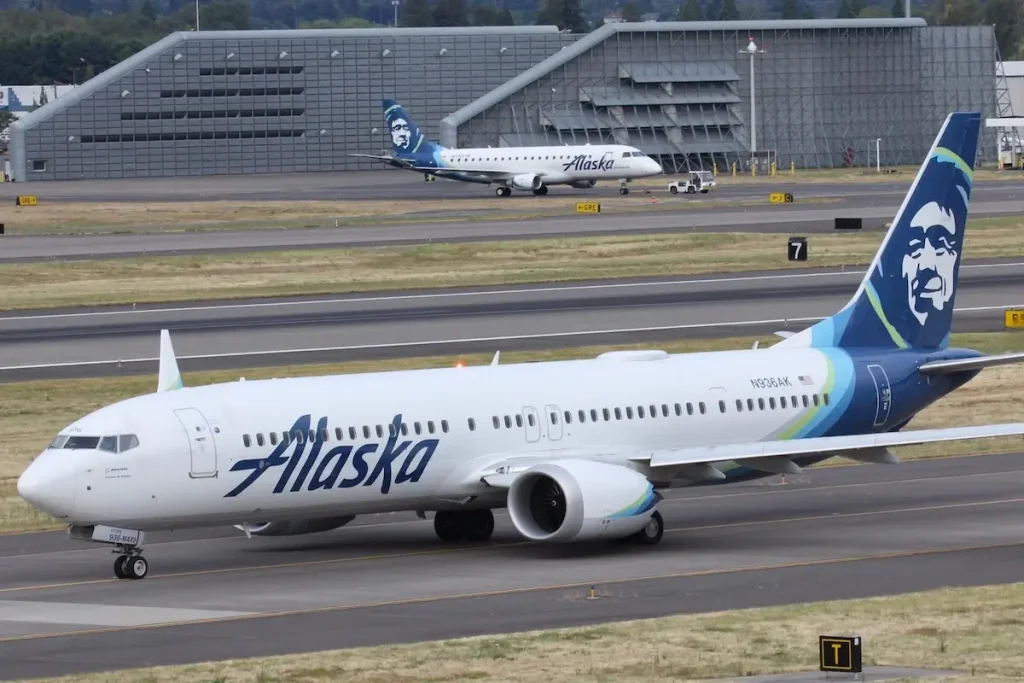
Since then, the FAA came down hard on Boeing, and the production cap in place has been a struggle for all parties, from the regulator assigning a high amount of resources to Boeing unable to deliver jets on time, to customers seeing delays in their aircraft arrivals.
Now, Boeing has the approval and will look to build, off the back of positive comments from customers it wants to show that it has firmly turned the corner and is back to producing top of the line aircraft, this rate increase is the next step in many.

ABOUT THE AUTHOR
Daniel Fowkes is a Melbourne-based aviation analyst and journalist with over a decade of industry experience. As founder of Dj’s Aviation, he delivers trusted analysis on aircraft, airline strategy and global aviation trends for djsaviation.net
Related Articles




Stay Informed
Get the latest aviation news, analysis and route updates delivered to your inbox.
We respect your privacy. Unsubscribe at any time.
Enjoyed this story?
Make us your go-to for aviation news
Add us as a preferred source on Google and see our latest stories first in Top Stories.
Add Us On Your News Feed