

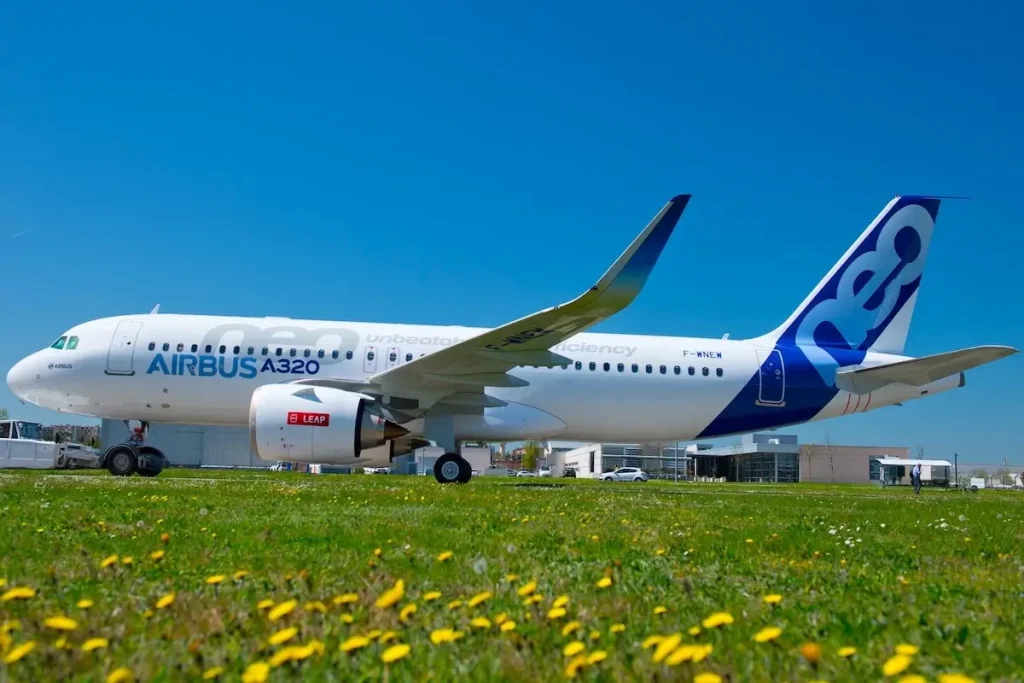
AerFin has confirmed the scrapping and thus successful teardown of a 2017-vintage Airbus A320neo.
The disassembly process was carried out at an SIA Engineering Company facility in the Philippines and marks a series of industry firsts for the region, as it is the first teardown of this aircraft in the Asia-Pacific region.
While for the Philippines it’s the first teardown, it’s also the first one completed for SIAEP, and the process only took some 30 days.
Following the scrapping of the jet, high-quality, used, serviceable parts will enter the narrowbody platform and be made available to operators and MROs across the Asia Pacific region. The A320neo is a highly sought-after aircraft, and as it ages, its parts will become increasingly valuable.
The latest A320neo scrapped represents a growing number of acquisitions for AerFin, and with its partnership with SIAEP, it’s able to reduce overall lead times and strengthen supply chains for customers.
This project marks another important step in our global strategy to strengthen support for the A320neo family and PW1100 engine solutions. By working with SIAEP in the Philippines, we’re able to position engines and components where our customers need them most – reinforcing our role as a trusted partner in keeping fleets flying efficiently and reliably.
Simon Goodson, Chief Executive Officer at AerFin

With each teardown of an Airbus A320neo, there’s the expectation that 1,400 parts will make their way into the expansive aftermarket, including serviceable PW1100 engines, which are not just crucial to powering the jet but are highly sought after as well.
Not The First A320neo Scrapping
The teardown and thus scrapping of aircraft is not uncommon; however, some eyebrows may rise at the nature of an A320neo being torn down, given how in-demand it is around the world.
The scrapping conducted by AerFin, in accordance with the SIA Engineering Philippines division, is also not the first incident that has occurred this month, with an A320neo being scrapped earlier in October.
TARMAC Aerosave were part of the scrapping of four Airbus A320neo jets, which were part of a calculated dismantling and recycling process.
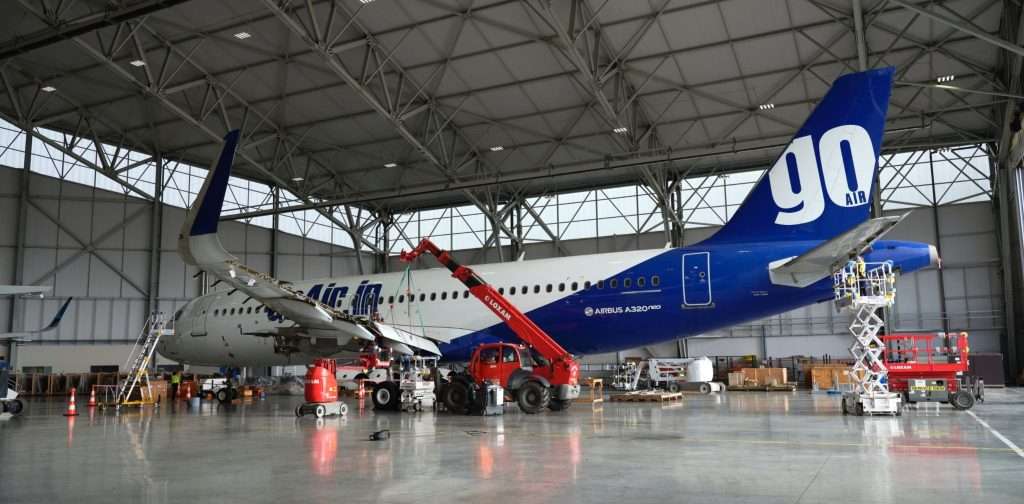
The aircraft had previously flown with GoAir of India before the airline collapsed, and the current owner of AerFin acquired the jets for dismantling with the intention of distributing crucial parts to secondary markets.
During the teardown, a process emerged that emphasised key elements, such as APU and landing gear removal, which occurred at the early stages of scrapping to ensure these fundamental areas were not damaged.
We’re proud to continue our long-standing partnership with AerFin on these A320neo projects. Together we’re demonstrating how efficient planning and advanced recycling techniques can extend the life of aircraft parts and support a more circular aviation economy.
Arthur Rondeau, Business Unit Manager – Dismantling & Recycling at TARMAC Aerosave
During this entire methodical process, TARMAC Aerosave first drained the fluids from the aircraft, which includes any fluids and/or hydraulics. Then, part two involves removing parts as per the customer’s request.
Once these parts are removed, TARMC carefully labels them and records the data to store them, where they will remain until they’re delivered. The net is the greening that ensures the cabin is restored to its original green appearance, or, more simply, replicates what the jet looked like before it was modified.
This lengthy process involves dismantling and sorting the seats, carpets, cables, panelling, and other components, all of which are to be handled individually, down to the smallest screw.
Lastly, once that has taken place, the major part arrives, and that includes cutting the fuselage and wing, thus ending the life of a once-operational aircraft.

ABOUT THE AUTHOR
Daniel Fowkes is a Melbourne-based aviation analyst and journalist with over a decade of industry experience. As founder of Dj’s Aviation, he delivers trusted analysis on aircraft, airline strategy and global aviation trends for djsaviation.net
Leave a Reply
Related Articles




Stay Informed
Get the latest aviation news, analysis and route updates delivered to your inbox.
We respect your privacy. Unsubscribe at any time.
Enjoyed this story?
Make us your go-to for aviation news
Add us as a preferred source on Google and see our latest stories first in Top Stories.
Add Us On Your News Feed
The ‘trick’ with teardowns in this region is to smuggle the recovered bits across nearby borders into China or India so that they can share the ‘goodies’ with their friend ‘Vlad the lad’.