
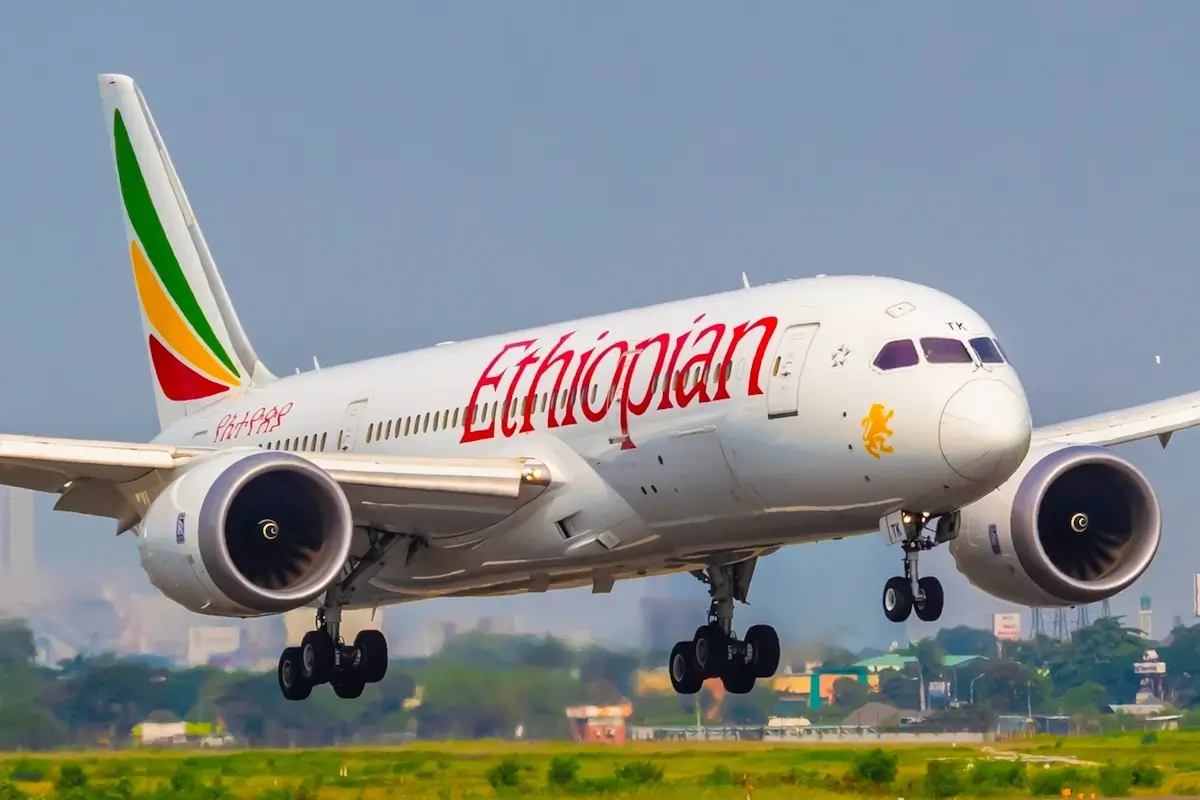
Ethiopian Airlines, Africa’s leading carrier, is facing Boeing problems, like many other global airlines.
Speaking with Bloomberg TV, the airline’s Chief Executive Officer stated that a shortage of new aircraft remains a persistent problem for the airline’s business, affecting its growth plans.
As a result of the shortages, Ethiopian Airlines finds itself with fewer aircraft than what its long-term plan had intended, and the shortages are not expected to ease for at least the next two years, at best.
While Boeing is seeing meaningful improvement in multiple ways across 2025, it has not been smooth sailing for the planemaker over the last seven years, and airlines have certainly felt the impact as a result.
According to current forecasts and following discussions with Boeing, Ethiopian Airlines anticipates that deliveries will resume in two years, with the arrival of these long-awaited planes in large numbers.
However, for Ethiopian Airlines, many would argue that this is simply a case of coping with the struggles they have experienced, which have been far from ideal and are impacting the growth plans they have put in place.
With the construction of a new airport and plans to rapidly expand the fleet and customer base, providing Africa with the connectivity it deserves to the world, these new planes are crucial to achieving these objectives.
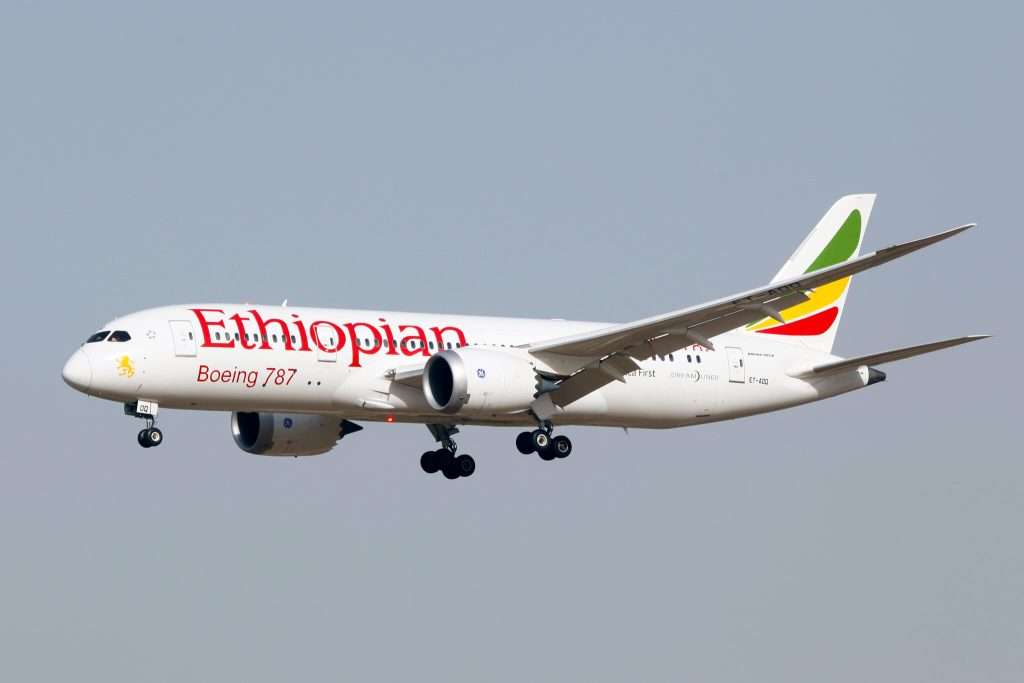
While there are negatives surrounding the number of aircraft, many of those shortages centre around widebody aircraft rather than narrowbodies; Ethiopian Airlines sees this part of the fleet as more on track.
Ethiopian Airlines’ Boeing 777X
One aircraft that’ll take Ethiopian Airlines to the next level is the Boeing 777X, an upcoming long-haul aircraft to which the African company has committed.
Unfortunately, the 777X was most recently delayed until 2027, representing one of the many instances where previously laid-out timelines were not met and the launch was pushed back further.
Other widebody aircraft are also on the cards; these planes are not only crucial for renewing the business but also for allowing growth to occur in markets such as Australia, which is of intense interest as well.
Boeing previously touted a 2026 launch for the 777X; however, its CEO, Kelly Ortbeg, when speaking in September, admitted they had fallen further behind than imagined, and with a mountain of work still required, meeting the 2026 deadline was becoming increasingly unlikely.

Now, Boeing must deal with customers whose frustrations are likely to rise due to the inability to take delivery of this next-generation aircraft set or reshape how many airlines plan to operate long-haul flights.
Navigating these delays has been challenging for airlines, such as Ethiopian Airlines, which have continued to have their delivery windows adjusted, making planning for the jet nearly impossible.
Other airlines that have been betting on the renewal of their fleets, retirements, and route launches for when the 777X arrives have been forced to see delays in all these elements, leading to financial harm and, at times, a loss of market share.

ABOUT THE AUTHOR
Daniel Fowkes is a Melbourne-based aviation analyst and journalist with over a decade of industry experience. As founder of Dj’s Aviation, he delivers trusted analysis on aircraft, airline strategy and global aviation trends for djsaviation.net
Related Articles




Stay Informed
Get the latest aviation news, analysis and route updates delivered to your inbox.
We respect your privacy. Unsubscribe at any time.
Enjoyed this story?
Make us your go-to for aviation news
Add us as a preferred source on Google and see our latest stories first in Top Stories.
Add Us On Your News Feed