
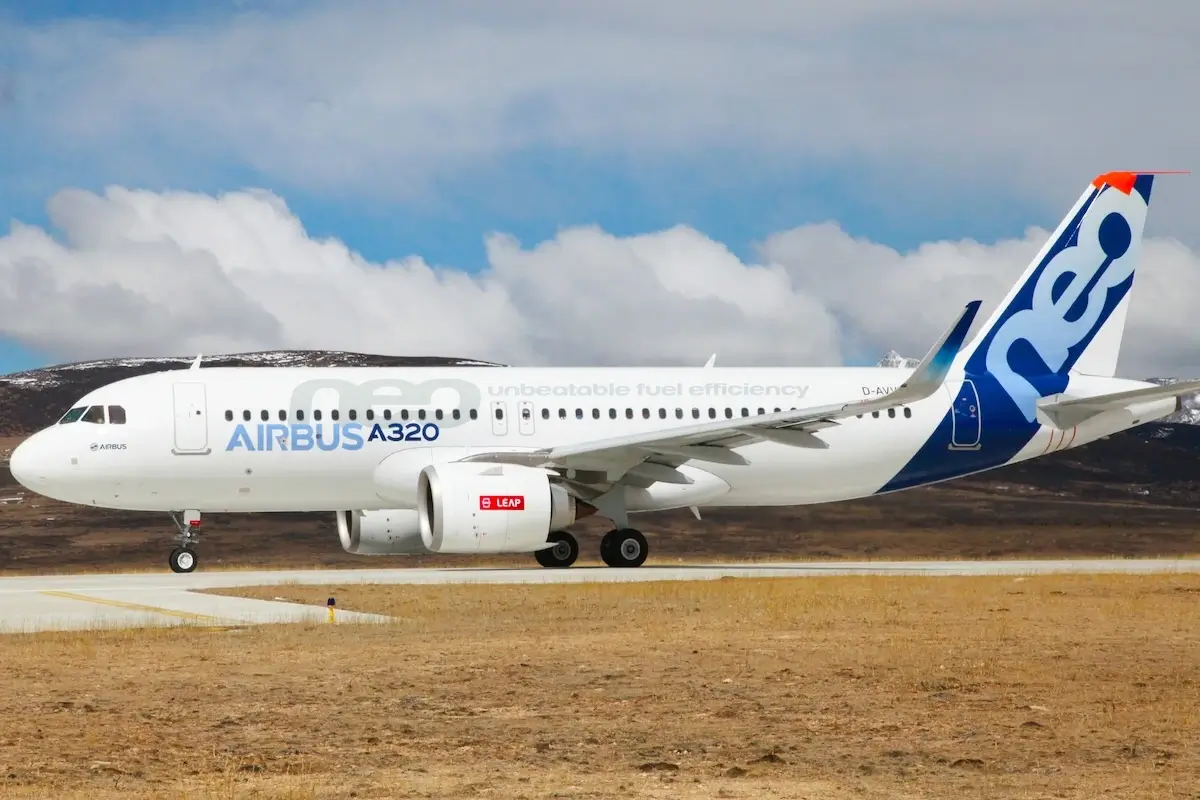
Airbus is moving steadily ahead with the succession plan for its popular A320neo family, even with strong sales for this series.
As the 2030s approach, and are now closer than the beginning of the decade, planemakers are studying the next era of their commercial aircraft production.
Shared through Aviation Week, Airbus is in the process of studying its new narrowbody aircraft and with that, what improvements can be implemented to make the jet a game changer.
At the core of the next-generation single-aisle jet or NGSA is the wing process, a key undertaking for the planemaker to best determine the way forward.
Similarly, over at Boeing, through the studies of its own next iteration of commercial flight, there has been emphasis placed on the structure of the wings to best drive efficiency.
Currently on a much smaller scale, Airbus is moving ahead with several designs, including an Extra Performance Wing or X-Wing technology, not to be mistaken for the popular Star Wars starfighter.

Airbus UpNext remains one of the key pillars of future studies for the planemaker, with this division focusing on developing technologies to understand what is feasible moving forward.
As part of this undertaking, the engineers are studying how to enhance the wing structure, including wingtips, without seeing too significant a weight increase.
What is known as a hinged wingtip can alleviate loads induced by turbulence, according to Aviation Week’s reporting, and thus reinforcement of the aircraft fuselage is not required.
What We Know About Airbus’ New Plane
Airbus’ upcoming A320 family replacement has gained traction across 2025, with reporting coming in June surrounding the early framework for the release.
Guillaume Faury, the CEO, reaffirmed his stance when speaking with Aviation Week that the successor to the popular single-aisle program remained a massive focus for the business.
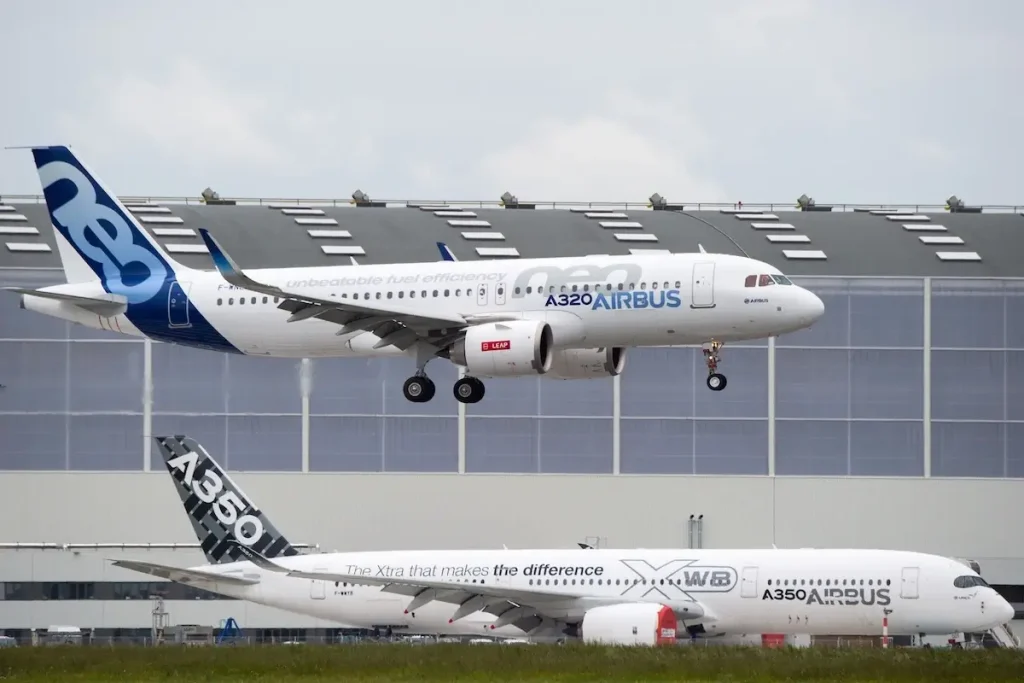
While ongoing studies are taking place surrounding the wing, it was also announced at this stage that one of the first processes would be a decision on the engine solution, with confirmation expected by 2027.
Following an engine selection, Faury said a launch would likely occur at the turn of the decade, in 2030, marking a new era for passenger travel.
While that’s less than five years away, no schedule can be firmly locked down. This is rather an internal estimate and hopeful timeframe, but with a focused emphasis on technological advancements and decisions, it could be pushed back, given the magnitude of the undertaking.
However, with those previous timeframes outlined, Airbus is hopeful that the launch in 2030 would pave the way for a seven to eight-year process to get an entry into service to take place in 2037 or 2038.
While Airbus will continue delivering A320neo family aircraft well into the 2030s, this doesn’t eliminate the need for a replacement to launch, as early adopters of the neo model will see their fleets reach 20 years of age.

Airbus is in a fortunate position where it has, yes, battled supply chain discomfort but is more primed to proceed with a replacement now than ever before, and with that, its success plan into the 2040s and beyond is of key importance.
Given the widespread adoption of the A320 series, a successor is a natural next step; however, a re-engine is not an option for this new endeavour, with the new era of single-aisle operations expected to be clean sheet designs.
With a clean sheet comes greater risk and higher costs, but equally for a business like Airbus, the chance to start afresh and create a true game-changing type that can form the building blocks for decades to come, with other aircraft on a larger scale eventually too.

ABOUT THE AUTHOR
Daniel Fowkes is a Melbourne-based aviation analyst and journalist with over a decade of industry experience. As founder of Dj’s Aviation, he delivers trusted analysis on aircraft, airline strategy and global aviation trends for djsaviation.net
Leave a Reply
Related Articles




Stay Informed
Get the latest aviation news, analysis and route updates delivered to your inbox.
We respect your privacy. Unsubscribe at any time.
Enjoyed this story?
Make us your go-to for aviation news
Add us as a preferred source on Google and see our latest stories first in Top Stories.
Add Us On Your News Feed
Well done great article. Much better than the vlogs
I’m sill waiting on a A380neo.