

Air India’s CEO, Campbell Wilson, has written a letter to employees as the airline continues to enter a new era and aims to transform its operations.
Wilson highlighted the noticeable improvements being visible across the perfromance of the airline on a fundamental basis, but knows work must be done.
In his letter, Wilson said that, like all airlines, there are operational scenarios that, at times, are beyond their control, as well as some that are within their control and could be prevented.
However, when the pressure mounts against the airline, the CEO argues that it is essential to have timely, clear, and accurate information, and that’s why Air India has been so committed to transparency.
Wilson argues that being transparent about the reporting of incidents or events, no matter how large or small, is crucial, especially following the events of AI171, which saw one of their Boeing 787s involved in a fatal accident earlier this year shortly after departing Ahmedabad.
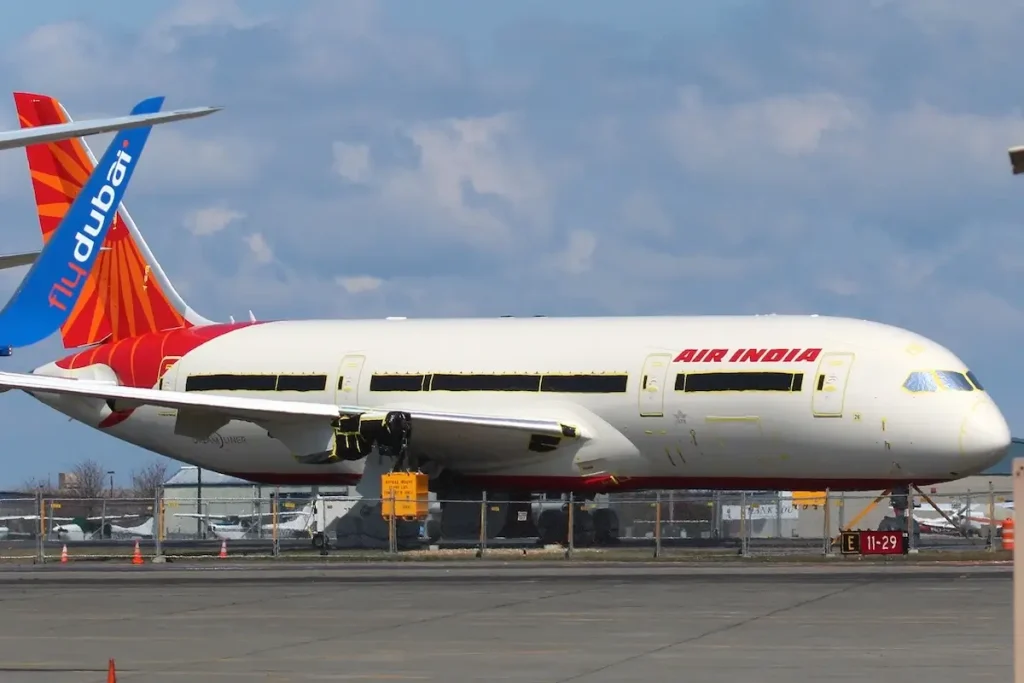
One thing that Air India has noticed due to the increased transparency is a higher amount of news coverage. Despite this, Wilson says that the incident rate is entirely standard and that continued transparency will help build trust with customers, stakeholders, and the general public in the long term.
With a departure occurring nearly every minute across the Air India Group daily, when analysing the incident rate, Wilson continued to argue that in the context of the sheer scale of the business, it’s a normal figure.
Away from incidents, he took the opportunity to confirm that on-time perfromance in August jumped by nearly 10 percentage points above the 2024 average and crossed the 80% mark.
There were also other improvements across the business, with mishandled baggage recovery rates dropping as the flag carrier attempted to put greater emphasis on the cases and resolve them.
Air India has been notorious for its poor performance driven by lengthy delays. Therefore, the newly appointed Wilson has made that a top priority as part of the ongoing rebuild, with frontline teams employed with the sole mission of handling matters such as these and finding ways to improve efficiency across the operation.

All these initiatives, and the many not touched on, are aimed at improving the metrics across the airline while also reflecting the culture that Air India wants to build moving forward —a culture that has core values always in mind, such as acting with authenticity and integrity in every matter.
Air India’s Safety Concerns Explained
A fair amount of Air India’s news coverage lately has centred around safety concerns following investigations by India’s aviation watchdog into how the airline operates.
As part of an audit conducted in July and reported by Reuters, there were numerous safety lapses. across the government
The report revealed a total of 51 safety lapses across Air India, including several key safety measures that were not properly executed.
Of the 51 safety lapses identified, the cases range from the use of unapproved simulators to inadequate rostering systems for employees, a problem that has been highlighted in previous reports.
Additionally, there were concerns surrounding the lack of adequate training for some pilots. As part of the audit, ten inspectors from the Directorate General of Civil Aviation and four others carried out this 11-page confidential report.
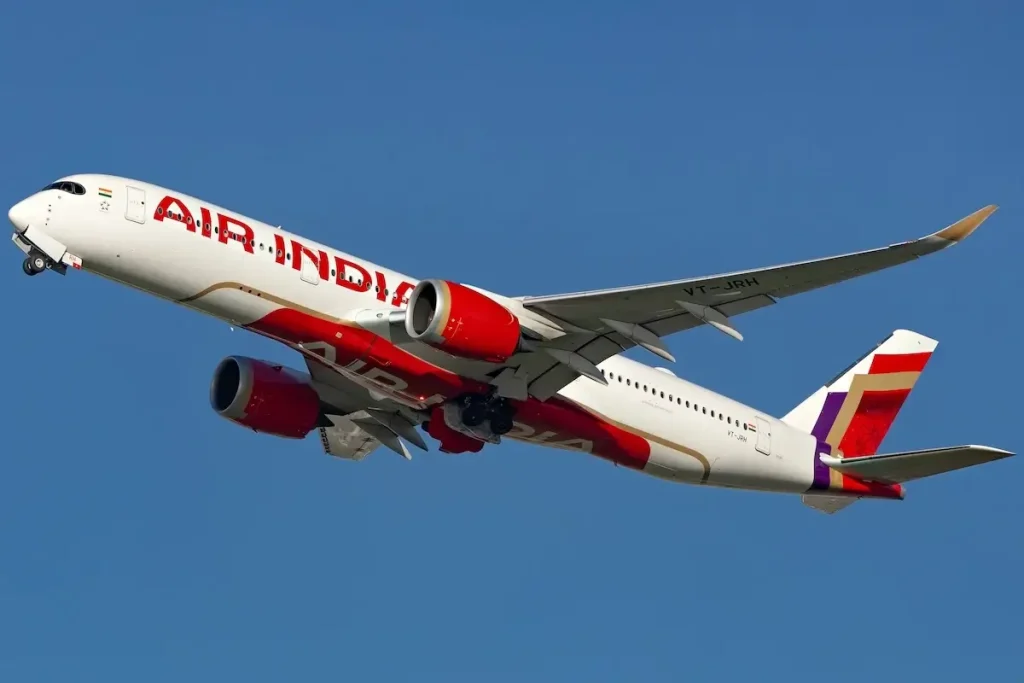
As part of this, the auditors stated that they identified recurring training gaps for unspecified Boeing 787 and 777 pilots, specifically in the failure to complete monitoring duties.
Meanwhile, operational and safety risks arose from the failure to conduct proper route assessments of specific airports, where adequate training had not been provided, and simulators had not met the necessary standards.
Ultimately, seven “Level 1” breaches of significant nature needed to be fixed by July 30. Additionally, 44 others were determined to be non-compliant and needed to be resolved by the mid-to-late stages of August as part of this audit, which was published.
All this just a week after there was further reporting surrounding the flag-carrier, where it was revealed by the Junior Civil Aviation Minister Murlidhar Mohol that there had been nine show cause notices in the last six months for the business.

ABOUT THE AUTHOR
Daniel Fowkes is a Melbourne-based aviation analyst and journalist with over a decade of industry experience. As founder of Dj’s Aviation, he delivers trusted analysis on aircraft, airline strategy and global aviation trends for djsaviation.net
Related Articles




Stay Informed
Get the latest aviation news, analysis and route updates delivered to your inbox.
We respect your privacy. Unsubscribe at any time.
Enjoyed this story?
Make us your go-to for aviation news
Add us as a preferred source on Google and see our latest stories first in Top Stories.
Add Us On Your News FeedRelated articles
· Airlines
Allegiant Air Buys Six More 737-8s From Boeing
Daniel Fowkes
26/10/2026
· Airlines
Emirates vs Qatar Airways: The Gulf Superhub Rivalry Compared
Bryan Shelmon
26/10/2026
· Airlines
Riyadh Air Is Moving Away From Riyadh
Daniel Fowkes
26/10/2026
· Airlines
Emirates Isn’t Worried At All
Daniel Fowkes
25/10/2026