

Qantas’ Airbus A380 order dates back 25 years to 2000, but much has changed between now and then.
Throughout this time, the A380 has been grounded at the airline, and orders have been cancelled. Although the series is still in operation today, its history has been complex.
In another timeline, Qantas would’ve flown more Airbus A380’s than it does now, almost double, so why did the Australian flag-carrier cancel orders for the series?
Qantas Loves The Airbus A380
Qantas’ love for the Airbus A380 dates back more than two decades, when, at the turn of the century, it placed its first commitment to the aircraft, then known as the A3XX.
That deal would then be firmed up towards the back end of 2006 as preparations began to ramp up for the release of the world’s largest passenger plane. This deal reached 20 units thanks to the firming up of eight options from the initial 12 to help hit this target.
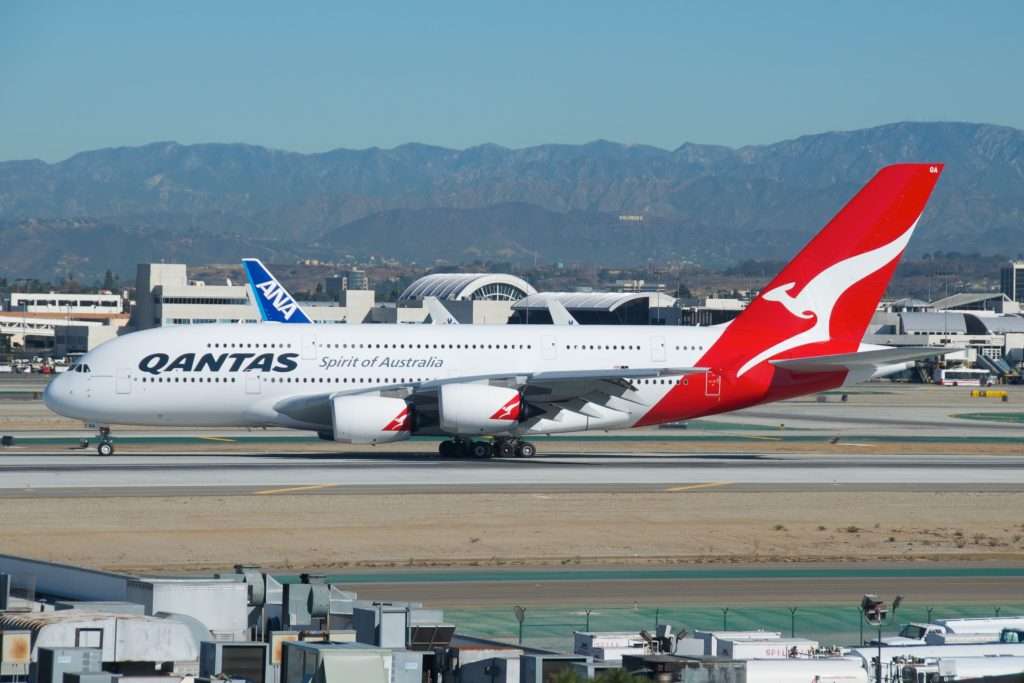
Qantas’ love for the Airbus A380 is evident for many reasons, but the flag carrier has generally seen the aircraft throughout its life as key to connecting Australia to the world in a comfortable manner over long distances.
Given that Australia is quite some distance away from major global ports, the capabilities of the A380 allow the business to capitalise on slot-constrained airports such as Singapore Changi, London Heathrow and Los Angeles, to name a few, with a high-capacity option.
Cancelling Airbus A380 Orders
In February 2019, during a period where the fall of the Airbus A380 was truly occurring, with the program seeing its closure, an announcement by Qantas cemented a further nail in the coffin for the superjumbo.
The Australian flag-carrier confirmed that following lengthy discussions with Airbus, it had decided not to move ahead with a deal for eight additional Airbus A380 jets, which were ordered in the 2000s.
While the confirmation arrived in 2019, it was merely a formality, as the consensus had been for some time that the airline was never planning to take the aircraft into its operations.
Qantas shared the same sentiment, saying that with a global trend confirming greater scepticism surrounding the future of the superjumbo, the order for eight units had for some time not been broadly considered part of the airline’s fleet or network plans.

The order cancellation follows Qantas’ original purchase of 20 Airbus A380’s in 2002s, but in the end, it would only take on 12 units and choose to stick to this figure, deeming it to present the ideal mix.
Less than a week later, following Qantas’ decision, which many called the writing on the wall for the superjumbo, a confirmation arrived from Airbus that the A380 program was to be closed.
On February 14, 2019, Valentine’s Day, the love was certainly not shared with Airbus, citing a lack of fundamental interest in the program and further cancellations in the backlog, meaning persisting with the jet did not make financial sense.
The Troublesome 20s
While Qantas would formally choose to move ahead with the cancellation of eight A380’s in 2019, the arrival of the 2020s would bring troubles unlike anything ever experienced and spell danger for the world’s largest passenger plane too.
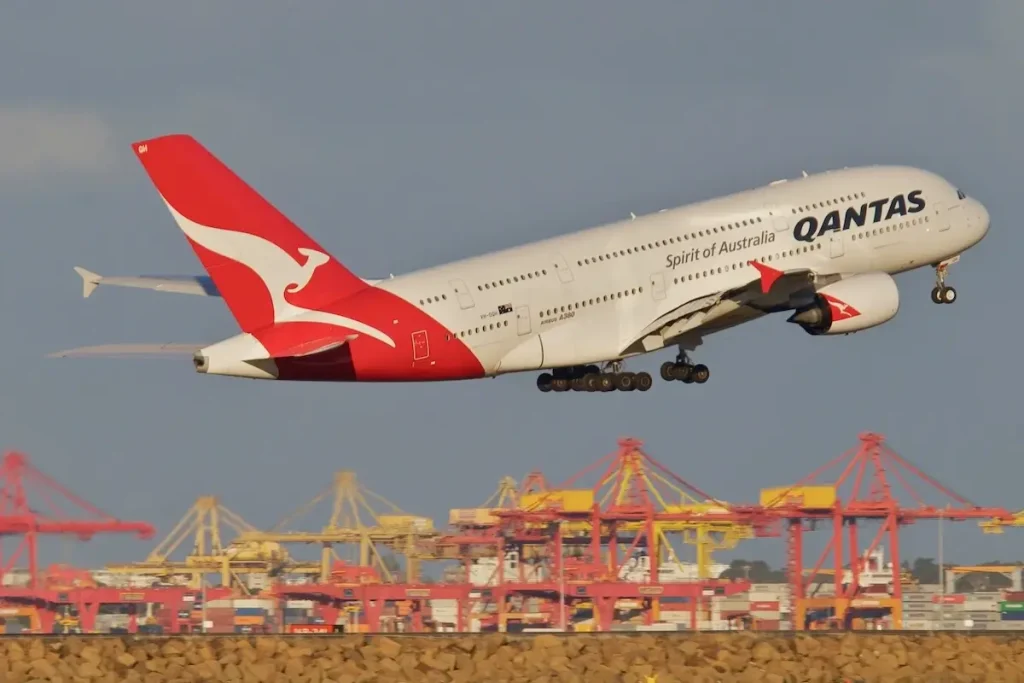
When the COVID-19 pandemic struck and governments implemented strict travel restrictions, especially internationally, airlines were severely impacted, but arguably none more so than Australian flag carrier Qantas.
Australia was notorious for its reaction to the pandemic, locking down states and limiting all international travel for far longer than most countries around the world, which rendered types such as the A380 useless in the fleet.
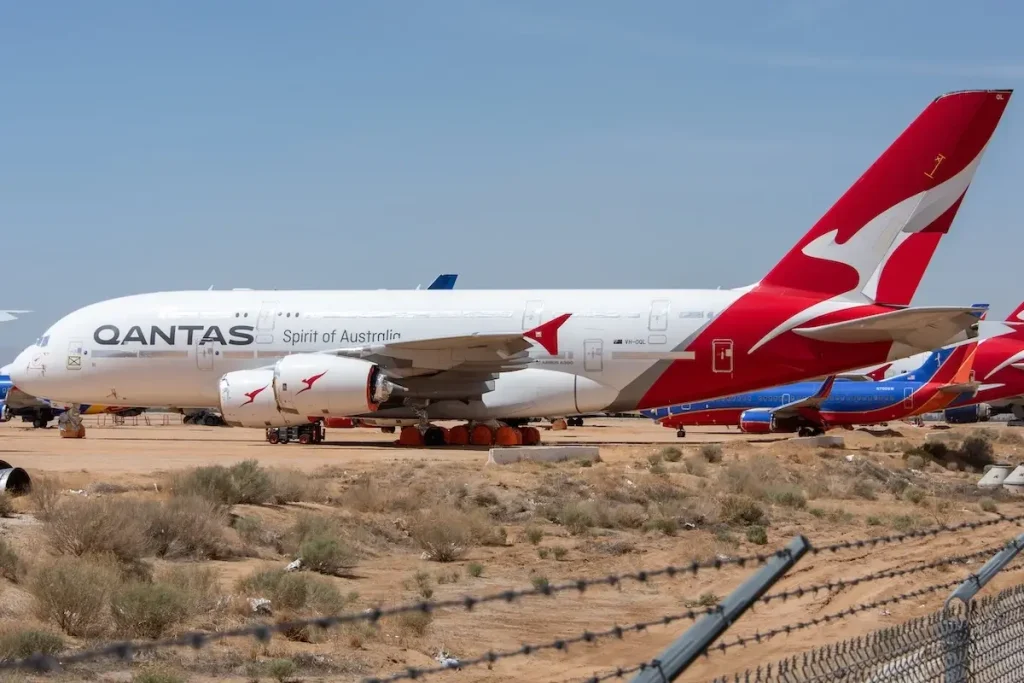
In response to the drop in travel demand, Qantas decided to send more than 75% of its fleet to long-term storage, including the axing of the Airbus A380, which was sent to the Californian desert.
The grounding and the general uncertainty about when demand would return presented concerns for the future of the world’s largest passenger plane in the airline’s operations, as many other global airlines removed the aircraft from their fleets as part of streamlining initiatives.
However, Qantas joined a small collective of airlines such as Emirates and British Airways that backed the superjumbo and assured the type would return in some capacity when demand eventually returned as well.
Given Qantas’ geographical positioning and the requirement to fly into some of the world’s busiest airports, the A380 has been an adequate aircraft for its business model, and therefore, there was a desire to bring it back, but only doing so when the pandemic eased.
After many years, Qantas would begin the return of the Airbus A380 to Australia, where it would then re-enter service. In what has been a neccesary move, airline executives have also called it one of the most challenging experiences yet, bringing back to life an aircraft of this sheer scale from another country with mass resources dedicated to this job.
The Future Beyond The Airbus A380
While the Airbus A380 has returned to service, and the airline’s overall reliance on the program is certainly not what it was intended to be following the cancellation of orders, the phasing out of the aircraft is still planned.
Revealed in recent years, Qantas purchased Airbus A350-1000s with the plan for this high-capacity model to play a role in the retirement of the A380.
These A350s are not part of the batch of deliveries that are to be configured for Project Sunrise flights in the coming years, but rather are to be the like-for-like selection to replace the world’s largest passenger plane.

Even with this move, Qantas will be among some of the last airlines to fly the world’s largest passenger plane, as many begin planning for life without this aircraft.
While the A380 has served a purpose for many airlines’ fleets and worked well for the likes of British Airways, Singapore Airlines, and Emirates, which have all operated the hub-and-spoke model for the vast majority, it is a type that is now widely out of favour.
With no dedicated replacement being built, despite calls from Emirates for the release of an A380neo, as it has been dubbed, airlines such as Qantas must begin looking elsewhere; the A350-1000 is the Australian flag-carrier’s selection.


ABOUT THE AUTHOR
Daniel Fowkes is a Melbourne-based aviation analyst and journalist with over a decade of industry experience. As founder of Dj’s Aviation, he delivers trusted analysis on aircraft, airline strategy and global aviation trends for djsaviation.net
Leave a Reply
Related Articles




Stay Informed
Get the latest aviation news, analysis and route updates delivered to your inbox.
We respect your privacy. Unsubscribe at any time.
Enjoyed this story?
Make us your go-to for aviation news
Add us as a preferred source on Google and see our latest stories first in Top Stories.
Add Us On Your News Feed
The A380 could have replaced the 747 a lot earlier. I flew on some 747 where it was like going on Latin American bus. Love flying on the A380.
i don’t mind airbus releasing a380-800 neo