

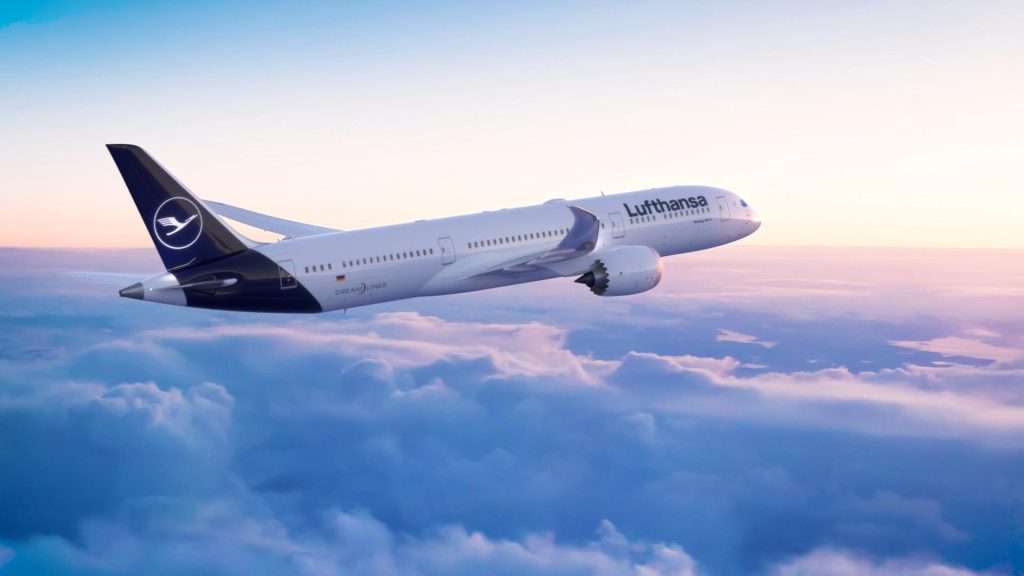
Lufthansa is entering a new era, finally taking delivery of its first Boeing 787 Dreamliner, which features the new Allegris product for Frankfurt operations.
The 787-9, which arrived in Frankfurt, is part of continued efforts to overhaul the perception and, therefore, the standard of the business, especially the modernisation of the fleet in the German city.
According to current forecasts, the carrier is hopeful that the first scheduled service will commence in October, with nonstop flights to Toronto, Canada, to be offered.
Additionally, this 787 is intended to usher in a new wave of 787 deliveries over the next four months, as the German flag carrier is hopeful that nine new 787-9s will be delivered by the end of 2025, which would be one new aircraft every two weeks.
While there have long been obstacles to taking delivery of next-generation Boeing 787 jets, there’s largely renewed optimism among airlines that Boeing’s progress is visible and the delivery rates are poised to increase steadily moving into 2026.
For Lufthansa, these new aircraft are incredibly important, as they feature the all-new cabin. Now, guests will be able to experience the premium cabins out of Frankfurt.
Allegris was present on long-haul flights over a year ago for the Summer 2024 schedule departing from Munich. Hundreds of thousands of passengers have already experienced this, but adding Frankfurt is vital for greater harmony across the business.
The airline’s CEO, Jens Ritter, said that with the arrival of this Dreamliner, the modernisation of the long-haul fleet at the most prominent hub is well underway, and now the positive repercussions can be felt, with greater fuel efficiency and quieter operations.
Lufthansa’s Complicated New Era
Lufthansa’s ability to progress into this new era, however, has certainly presented its challenges on more than one occasion.
For example, during the height of the COVID-19 pandemic, the German flag carrier believed an opportunity presented itself to streamline its day-to-day operations by reducing fleet types through the accelerated retirement of less efficient aircraft.
While, in theory, this axing was unfortunate for enthusiasts and those who worked on the planes, it was a move that made great sense to ensure long-term stability and progress in turnaround endeavours.
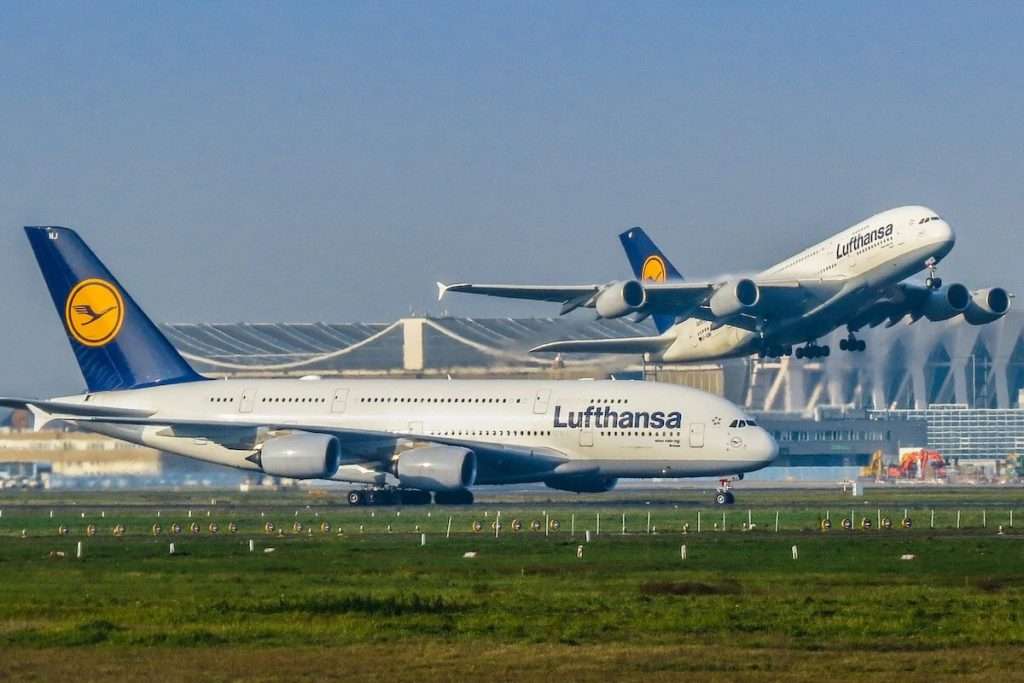
However, when demand surged back, supply chains were decimated beyond belief, throwing a curveball at Lufthansa’s ability to acquire next-generation aircraft, which were not just being delivered to grow but to replace those other fleet types that had been axed.
Lufthansa, like other global airlines, ultimately acquired next-generation aircraft too slowly to make the retirement of older planes worthwhile, and significant decisions were made to reverse retirement plans.
Ultimately, less efficient and older planes would be put back into service to limit capacity loss across the network. While this is great for enthusiasts, these decisions have cost Lufthansa money and go against the initial proposed renewal plans.
From the delivery of 787s, which have been delayed due to supply chain constraints, to the delivery of next-generation A350s, most of the airlines’ new aircraft have not been spared from delays.
These aircraft also exclude the upcoming Boeing 777X, a long-haul flagship product that, on paper, will help bridge the gap between outgoing quad-engined wide-body aircraft, but has been delayed by more than five years.
Away from fleet complications, Lufthansa has also been challenged in turning around its perception among a customer base that has grown increasingly frustrated with upper management’s decisions regarding what is meant to be a flagship.

As a result, investments such as the Allegris cabin are crucial to rebuilding Lufthansa, which is in a turnaround phase as part of the broader Group, in the hope that these moves will set it back on track for success and higher customer satisfaction rates.

ABOUT THE AUTHOR
Daniel Fowkes is a Melbourne-based aviation analyst and journalist with over a decade of industry experience. As founder of Dj’s Aviation, he delivers trusted analysis on aircraft, airline strategy and global aviation trends for djsaviation.net
Related Articles




Stay Informed
Get the latest aviation news, analysis and route updates delivered to your inbox.
We respect your privacy. Unsubscribe at any time.
Enjoyed this story?
Make us your go-to for aviation news
Add us as a preferred source on Google and see our latest stories first in Top Stories.
Add Us On Your News Feed