

The Airbus A321LR could be set to secure another vital commitment from Icelandair as part of their plans to increase single-aisle flying with the next-gen type.
The Icelandic carrier is currently in the process of transitioning its single-aisle fleet towards more efficient types, such as the A321neo program, and with that, is phasing out older workhorses, including the 757 and 767.
As Icelandair prepares for the addition of more Airbus aircraft in the colder months of the year, there’s renewed confidence that more aircraft could be added to the backlog to better meet demand.
Interestingly, Icelandair will have a fleet that focuses on the usage of the A321LR, but from 2029 onwards, the first A321XLR, a variant equipped with even more range, is expected to join the business.
The A321XLR will provide the airline with the longest range possible on a narrowbody aircraft and significantly boost possibilities across its route network in the years to come.
However, with the arrival of the first A321XLR still many years away and with Icelandair confirming that the newly delivered A321LR has been quite the hit, there’s an appetite to acquire more jets.
The airline’s Information Officer says that with the production process beginning for three more A321neo jets expected to join in the short to medium term, building on the success will be important.
Icelandair is making a significant investment in the future with Airbus, playing a pivotal role. Its groundbreaking order for XLR jets, placed over the last two years, includes options for many more units, which could be activated at a later date.

Additionally, Icelandair has invested in a brand-new Airbus flight simulator, which will be installed at its training centre to enhance training and support the airline’s transition to the latest equipment.
The arrival of the A321neo jets, whether the LR or the XLR, is generally significant as well for the phasing out of older Boeing equipment, such as the 757, which is expected to be farewelled in the coming years based on the latest fleet forecasting.
Rise Of The Airbus A321 Program
The rise of the A321 program has occurred at an alarming rate, as the planemaker has seen the high-capacity model quickly overtake its A320neo and bring in a substantial number of orders on an annual basis.
The higher capacity nature has made it incredibly favourable for airlines in the process of transitioning to the next generation of equipment.

Additionally, airlines transitioning from less efficient planes to newer ones have seen their business grow, resulting in increased demand across some of their short-haul operations.
What the A321 has over the A320 is greater flexibility to boost capacity across some of the busiest domestic short-haul networks. Additionally, Airbus has sought to further develop the program to capture a larger market share.
Recent launches of derivatives, such as the LR and now the XLR, have taken the program to new heights, enabling single-aisle flying to break boundaries previously imposed by limitations on existing types.
Furthermore, Airbus knew it had an opportunity to steal more market share in the single-aisle space through further development because of Boeing’s response, or lack thereof, with their challenges in the 737 MAX program and a decision not to, for the moment, move ahead with a new middle-of-the-market airline, which had been requested by many airlines.
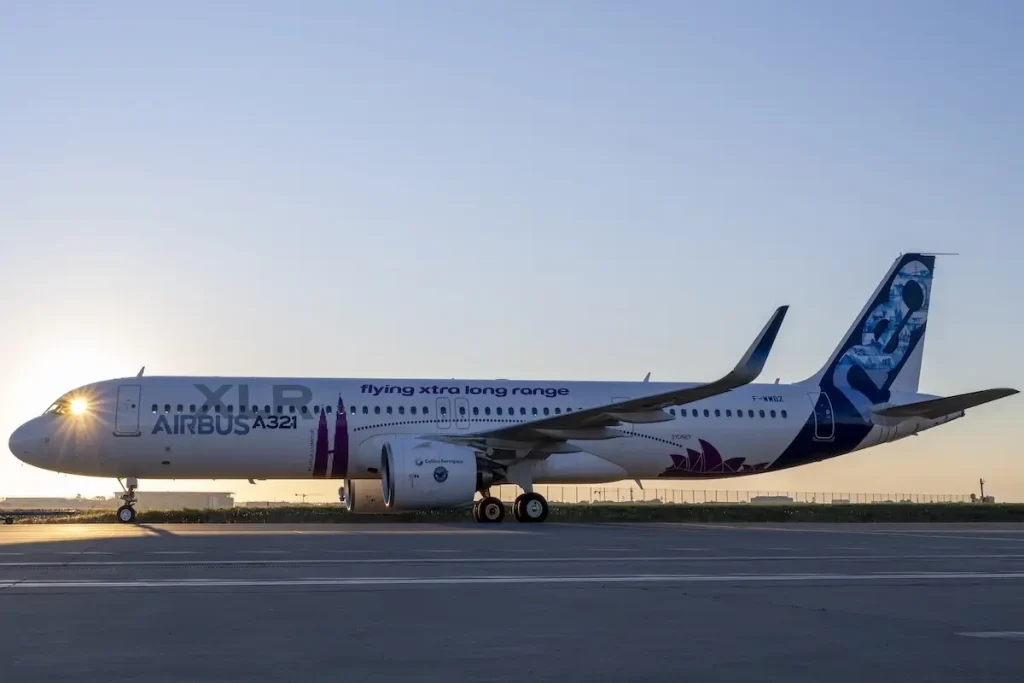
What this has meant is that for airlines seeking to develop their single-aisle network with a larger aircraft and also one with a range boost, the XLR is their only genuine option, and the jet securing hundreds of orders in its first week highlights the appetite for this type of aircraft.

ABOUT THE AUTHOR
Daniel Fowkes is a Melbourne-based aviation analyst and journalist with over a decade of industry experience. As founder of Dj’s Aviation, he delivers trusted analysis on aircraft, airline strategy and global aviation trends for djsaviation.net
Related Articles




Stay Informed
Get the latest aviation news, analysis and route updates delivered to your inbox.
We respect your privacy. Unsubscribe at any time.
Enjoyed this story?
Make us your go-to for aviation news
Add us as a preferred source on Google and see our latest stories first in Top Stories.
Add Us On Your News Feed