
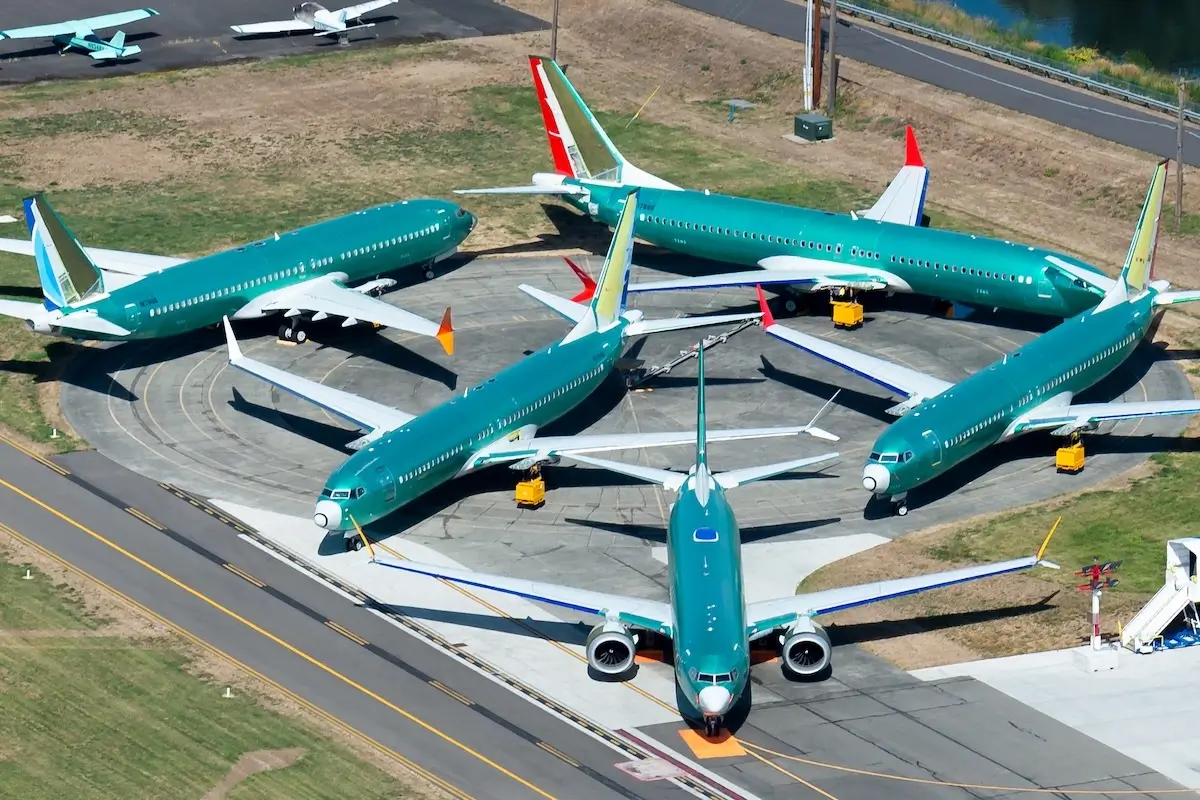
The last five years have often seen frustrations from airline customers concerning the Boeing 737 MAX.
This single aisle series on paper is an industry leader in its class; however, its stay within the industry has been far from ideal, with crashes, groundings, production concerns, and more limiting its success and image.
Despite this, and following a solid 18 months of internal work by the planemaker to make a positive change for the future, the reward is starting to be shown.
Copa Airlines, a prominent Boeing customer and operator of the 737 MAX, discussed the improvements being made by the planemaker in its recent earnings report.
The carrier confirms that so far in 2025, the delivery of new commercial aircraft from Boeing, specifically the 737 MAX, has been coming earlier, at least a week or sometimes up to two weeks sooner than forecasted.
While this represents an earlier-than-expected delivery and thus an advance of schedule, it is also important to realise that, despite the early nature of these deliveries, the planes are still significantly delayed from their originally agreed-upon date.
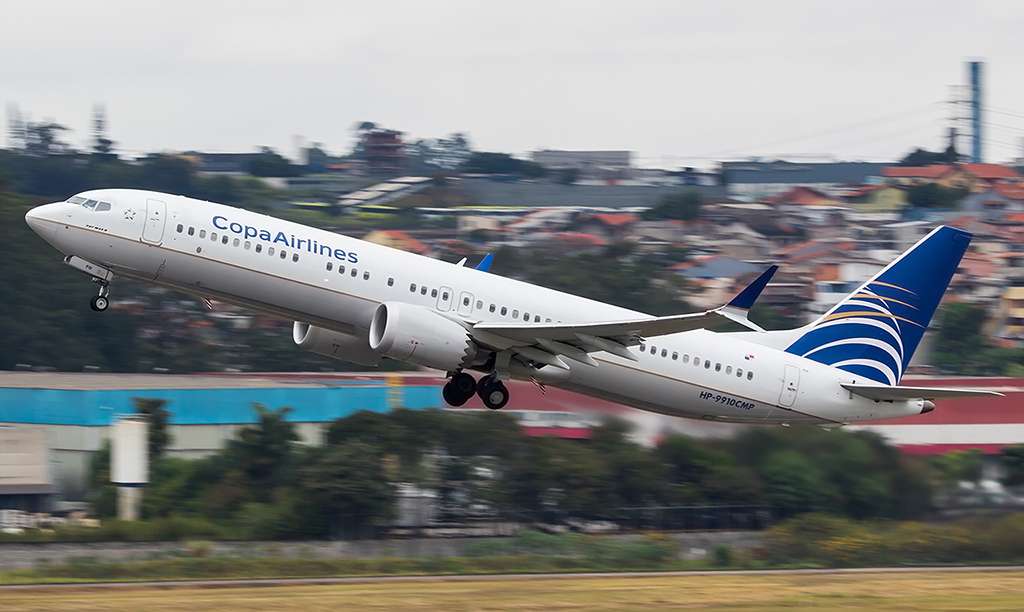
Even with this in mind, Copa Airlines points to the fact that 737 MAX deliveries have been on time across 2025, according to the latest guidance, and this trend is expected to continue into 2026, barring any further issues.
A Strong Year For Boeing
Ultimately, 2025 has represented a strong year for the rebuilding of American planemaker Boeing, although challenges persist, improvements are now being noticed.
As more airlines and leading aircraft lessors visit the factory floor, their commentary coming out is one of renewed optimism and confidence that the corner has been firmly turned.
Whereas, in recent years, there has been a severe lack of confidence in the product being put out, and airlines’ frustrations have been quite noticeable as well, often with commentary critiquing the business and citing the financial harm caused to day-to-day flying at these airlines.
While production caps still exist on the 737 MAX, driven by the Federal Aviation Administration’s increased oversight, the planemaker has been able to increase its output rate to match the production cap.
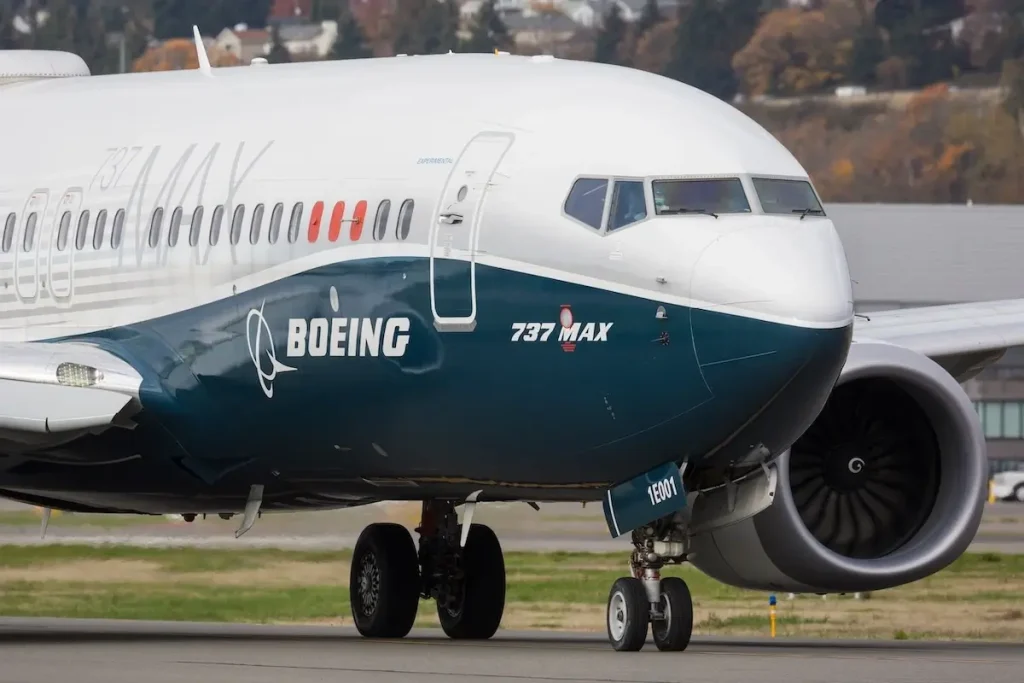
Kelly Ortbeg, Boeing’s CEO, confirmed that the intention is to, once permitted, incrementally increase production rates to ensure that the highest quality continues to come out of the factory.
As analysts have stated, Boeing must align with the FAA’s recommendations to get the capacity ramp-up plans right for its 737 MAX, to prevent further quality slip-ups.
737 MAX Challenges Still Exist
2025 has been a strong year for Boeing, but equally, challenges persist, primarily centred around the certification of remaining variants in the series.
The 737-7 and 737-10 have long been the problem child variants in the 737 MAX program, driven by their uncertified nature and the public frustrations from airline customers, which have been expressed as a result.
The Air Current reported at the end of July that the planned 2025 window for certification for these remaining variants would not occur, and a 2026 approval would be more likely, representing another delay.
Those roadblocks surround the finalised design to address the engine anti-ice, or more commonly referred to as the EAI system.
This system is something that Boeing said it would commit to having solved and remedied under the guidance of the governing regulator, the Federal Aviation Administration, before first delivery was facilitated.

Described as a key safety issue, and given the scrutiny the program has been under for over half a decade, there has been a strong focus from industry analysts, the FAA, and others on how Boeing would address this.
Time and time again, Boeing has presented internal estimates for when it would certify its remaining MAX jets; however, these timeframes have not been met on several occasions now.
As a result, airlines have been forced to adjust their future fleet makeup by swapping out uncertified variants for approved types, at times, therefore forgoing capacity or even looking towards the leasing market or switching to Airbus.
However, it’s not all doom and gloom, despite the delays, Boeing inches closer by the day to approval, and its production stability means airlines are finally getting their planes at least on a schedule that’s beneficial.

ABOUT THE AUTHOR
Daniel Fowkes is a Melbourne-based aviation analyst and journalist with over a decade of industry experience. As founder of Dj’s Aviation, he delivers trusted analysis on aircraft, airline strategy and global aviation trends for djsaviation.net
Leave a Reply
Related Articles




Stay Informed
Get the latest aviation news, analysis and route updates delivered to your inbox.
We respect your privacy. Unsubscribe at any time.
Enjoyed this story?
Make us your go-to for aviation news
Add us as a preferred source on Google and see our latest stories first in Top Stories.
Add Us On Your News Feed
I will never fly on a 737 Max even the other Boeing manufactured airplanes I do not trust them with their quality of workmanship I work for Boeing for many many years and I will not get on any of their planes I will ONLY fly Airbus
No way will I fly on a 737max – ever!
How come the FAA doesn’t require the anti-ice fix to be applied to the Max 8 and 9? If it’s a serious safety concern, why aren’t the 8 and 9 grounded?