

Just over five years ago, British Airways grounded its fleet of 747s, leading to the permanent retirement of a beloved type.
The decision by the flag carrier of the United Kingdom was not an easy one, as it was one of the largest operators of the 747 passenger jet at the time.
So, why were the planes grounded? What happened with the retirement? Was it expected, and what did the airline do next?
A Decision To Ground The 747
When the COVID-19 pandemic arrived, British Airways saw travel demand plummet, and as a result, was forced into parking a wide range of its aircraft to cope with the demand drop.
By April, the airline confirmed five more of its beloved 747s were being brought to the Cotswolds and Kemble Airport for long-term parking. At that stage, the parking was not for a permanent retirement, although the writing was on the wall.

The Cotswolds became a prime storage location for British Airways aircraft as the carrier scrambled to put its planes in storage and limit costs wherever possible to preserve its position as a flag carrier during some of the most challenging times since its inception.
Initially, when the pandemic hit, the 747s continued to fly. However, the situation evolved more quickly than most expected, and the planned retention of some 747s in service was scrapped soon. The planes were then sent to parking locations.
Retirement Plans Long Announced
During the COVID-19 pandemic, the British Airways 747 fleet was not entirely safe from retirement talk, driven by previously confirmed retirement plans that emerged before the start of the decade.
As airlines continued their transition towards next-generation jets and British Airways’ fleet of 747s began to show signs of age, they started preparing for the slow phasing out of the superjumbo.
In 2017, speaking with Flightglobal and the IAG Chief Financial Officer at the time, it was reported that British Airways planned to retire its fleet of 747s by February 2024. While subject to change, it highlighted the intention to axe the fleet type.
As part of those plans, the retirement was to occur in phases; one of those phases would see half the fleet depart by 2021. This batch would focus on the older units, which were among the first placed into long-term storage, thereby raising the question of whether they would ever return to active service under the current circumstances.
Along the way, the retirement plans continued to shift, driven by the delayed delivery of aircraft, changes in demand, and more, but retirement was firmly in the pipeline for the queen of the skies.
British Airways Confirms 747 End
Despite retirement being scheduled years away, by mid-2020, it was becoming increasingly apparent that harsh government restrictions around the world would not ease anytime soon, and as a result, would force airlines to scrap some of their older planes.
British Airways naturally looked to one of its oldest and beloved widebodies in the Queen of the Skies, deciding in mid-July 2020 to permanently retire the type, thus not bringing it back into service, even for a round of farewell flights.
The news, devastating for aviation enthusiasts, was not taken lightly by British Airways, but rather after internal studies deemed it essential to ensure the survival of the flag carrier in some of the industry’s most challenging times.
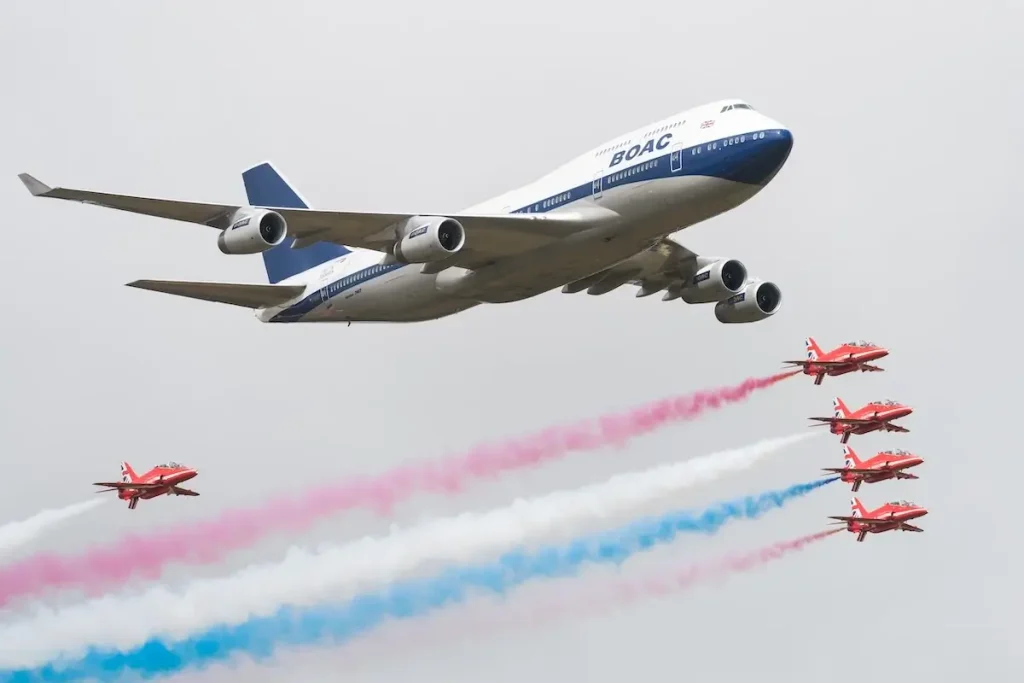
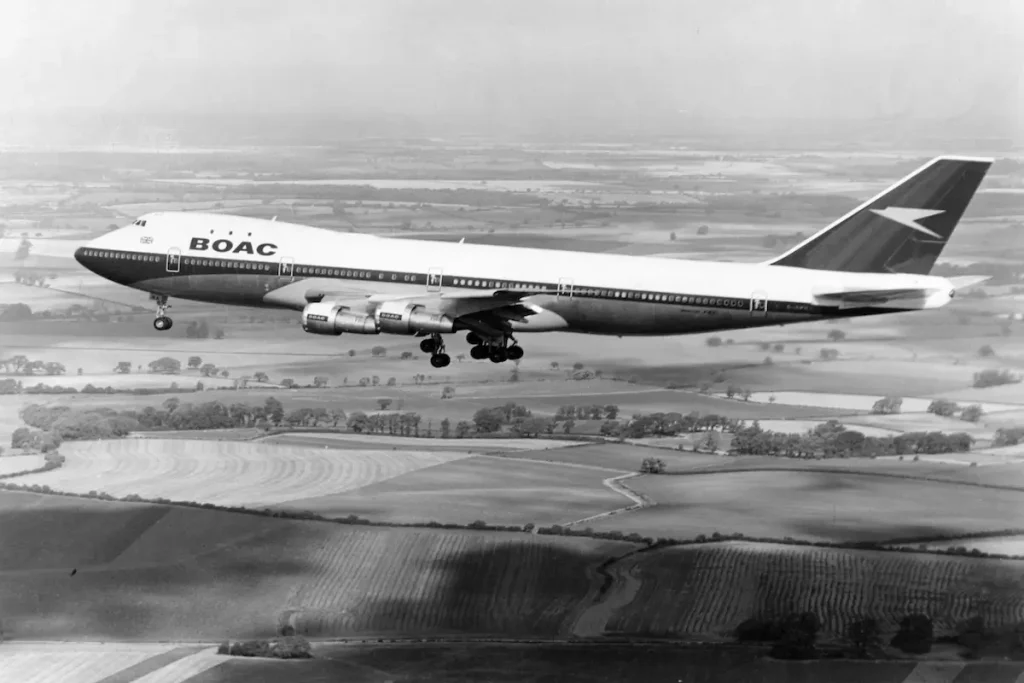
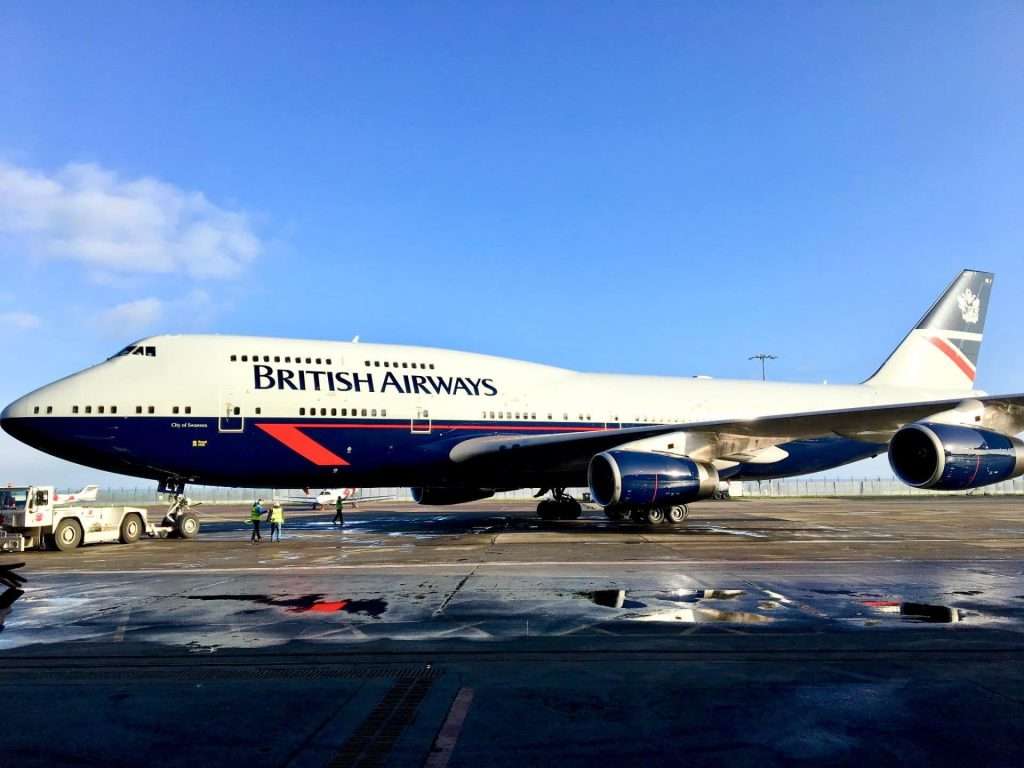
British Airways’ confirmation also came just a year after the airline celebrated its centenary, when it painted two of its 747s in retro liveries to commemorate its heritage: one in the famous British Airways colours and the other representing the Landor livery.
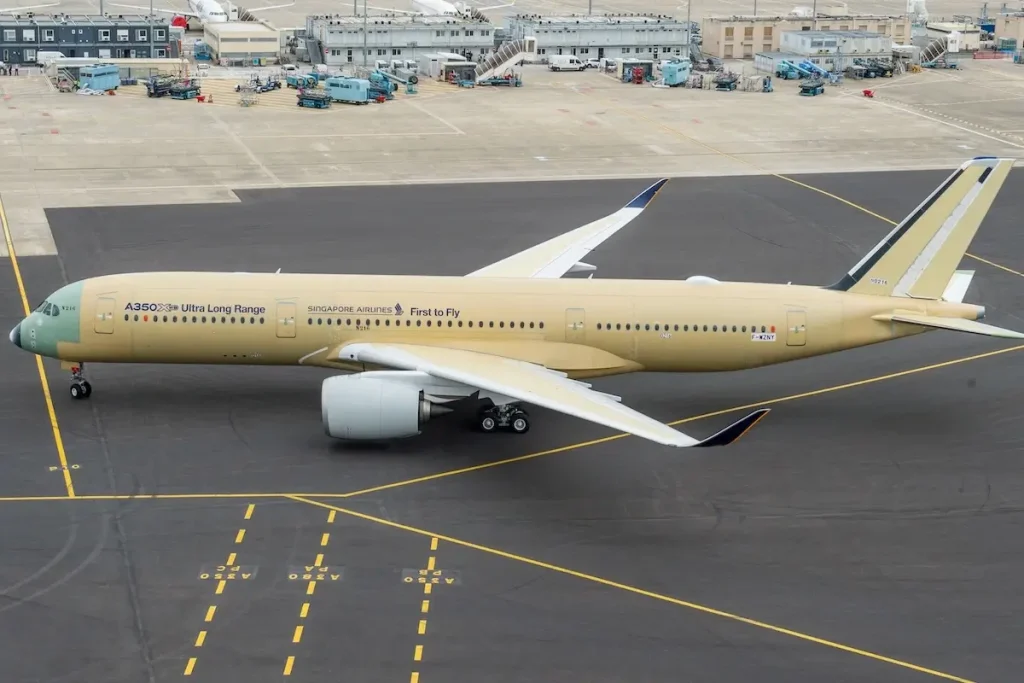
Always in the plan, British Airways was moving towards more efficient jets, such as the A350 and the 787, as part of its future and to find ways to meet its commitment to zero emissions by 2050.
The incoming aircraft are also 25% more efficient than the outgoing 747. While offering a lesser capacity during a period when demand plummeted, it was a natural decision for the airline to conserve its financial position.
Forecasting additionally in mid-2020, it was expected that demand would struggle to return to pre-COVID levels for at least four more years, although it would likely return earlier with hindsight. For specific airlines, this, at the time of the retirement, seemed very far-fetched.
Alex Cruz, the CEO of British Airways at the time, said the retirement was not how they planned it for what was such an iconic part of the business for so long; however, it was a necessary one to ensure the fleet became more environmentally friendly and, most of all, a logical step to ensure the business stayed alive.
What Happened Next?
Replacing the Boeing 747 is no easy task, especially since the American planemaker has not offered a dedicated replacement.
Nevertheless, British Airways, like many other international airlines, has had to find ways to combat this. The UK carrier has adopted a mixed approach, utilising several newer and more efficient wide-body jets.
By the time the 2030s arrive, the airlines’ long-haul fleet will comprise the 787 series, A350 series and the currently uncertified and heavily delayed 777X from Boeing.
These aircraft offer British Airways each something different; moreover, they each help elevate the long-haul network with significant cost savings over continuing to operate the Boeing 747.
While many of these next-generation jets have been delayed by substantial supply chain constraints stemming from the pandemic, on paper, they represent upgrades from what the carrier once flew.
As the airline said at the time of retirement, the Boeing 747 will always hold a very special place in the heart of British Airways, but it was time to move on.
The COVID-19 pandemic presented an opportunity for many global airlines to reassess their fleet requirements, which led to the grounding and eventual retirement, specifically, of some older, less efficient types, often quad-engined wide-body aircraft.

ABOUT THE AUTHOR
Daniel Fowkes is a Melbourne-based aviation analyst and journalist with over a decade of industry experience. As founder of Dj’s Aviation, he delivers trusted analysis on aircraft, airline strategy and global aviation trends for djsaviation.net
Leave a Reply
Related Articles




Stay Informed
Get the latest aviation news, analysis and route updates delivered to your inbox.
We respect your privacy. Unsubscribe at any time.
Enjoyed this story?
Make us your go-to for aviation news
Add us as a preferred source on Google and see our latest stories first in Top Stories.
Add Us On Your News Feed
Regrettably BA should not have retired their 747’s.
Lufthansa have kept theirs going till now.
BA would not have the present problems of aircraft shortages as they are.
Last time I passed Teruel airport they were still parked there in BA colours.
Money Money Money that’s why
King of the sky. A magnificent plane now gone with the wind. Enjoyed the upper deck…
British Airways should keep at least one B747 in service with new more fuel efficient engines and a full all systems refurbishment and an airframe refurbishment to keep this iconic quad jet flying in revenue generating service.
Love that idea!
Fanciful nonsense, that’s not how the industry works
I am now retired from a business that involved travelling to over forty countries. My first flight in a 747 was back in the early 1970s. I always felt very safe in these lumbering giants especially with a seat looking down at the RR badge on the engines. The take off time seemed to be forever !
They used the same length of runway as previous generation jets and they took off at much the same speed, so they did not ‘lumber’.
They used the same length of runway as previous generation jets and they took off at much the same speed, so they did not ‘lumber’ as they flew as fast as anything else.
As an ex member of BA, I was devastated when the 747 was taken out of service. Happy memories!
BOAC as it used to be called, one of my favorite. They flew a 747 from London to NY for one passenger. True?
I was fortunate to have logged 35 flights aboard BA’s 747s – all of them in First Class due to once generous frequent flyer programs. What a wonderful airplane! I especially loved the early First Class cabins on the -400s, with their chenille fabric upholstered seats, burr walnut wrap around dividers, cream wall panels and dark blue carpet. Very classy. And comfortable.
Sad to have lost such iconic plane. I hope one day it will come back
Stupid, stupid, stupid! I don’t trust 2 engine planes -they have no redundancy!
BA keeps making seats smaller, services more miserly, “food” less palatable, and some total makes flying today simply an overall unpleasant, an indeed sometimes unbearable experience.
No longer do look forward to getting into an airplane and going on an exciting adventure.
Plane travel that is not on a 747 is an abomination!
The DXB- London flights on Emirates are always packed, and sometimes economy is fully booked weeks ahead.l on the 380s.
It is a far superior service and more comfortable aircraft than BA,,including a ground breaking improvement to economy seats
so why doesn’t BA get its act together and provide a serious rival to Emirates?
Interesting
There is no comparasion of B747 with the others. B747 queen of skies served aviation industry as dedicated and loyal family member. The B747 made in 1969. It was a remarkable plane in the aviation history. I salut to Boeing for the best design of aircraft. I love jumbo 🌻
An excellent article
Leave the queen in the air whe is beauity grace and a good work horse. God bless the Queen.