

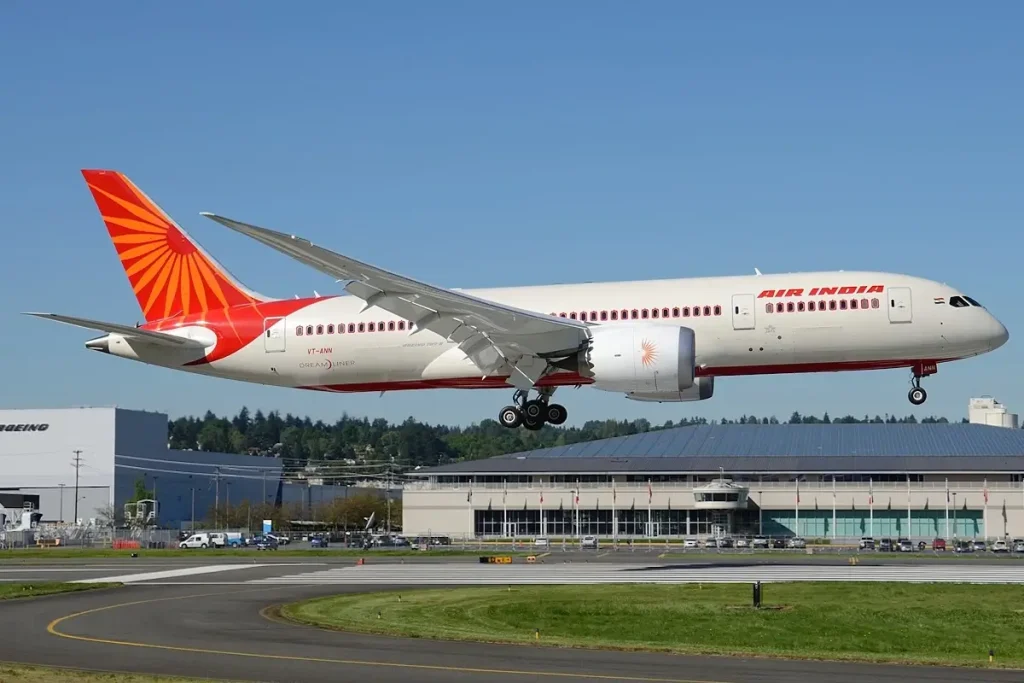
Air India, facing heavy scrutiny following a fatal 787 crash, has confirmed the completion of preliminary inspections on the aircraft.
The inspections centred around the fuel control switch locking mechanism, which is present across the 787 and 737 fleets. No further issues were detected following these inspections.
For Air India, this represents one of the numerous close inspections undertaken on the Boeing 787 fleet and other types following the fatal accident, as regulators continue to investigate the incident.
All the attention surrounding the fuel control switch is part of the ongoing investigation, and a final report is still some time away.
In the preliminary report, released in early to mid-July, the focus sat on confusion in the cockpit surrounding the fuel cutoff switches flipping and starving the engines of fuel, causing pilots to be unclear on what was unfolding.
The confusing nature of the information sourced from the cockpit voice recorder highlighted how one pilot asked the other why the fuel had been cut off, and the other responded that no fuel switch had been cut off.
Immediately after the preliminary report aired, the airline began inspections on the 787 fleet alongside other jets. To get to the bottom of the evolving situation, regulators also encouraged other airlines within the country to do the same.
As with all investigations, typically when one regulator issues an order for inspection, especially when the inspection follows something as severe as a fatal accident aboard a 787, other regulators will follow. That is precisely what happened as foreign governing bodies pushed airlines to inspect their jets.
The Air India Boeing 787 Crash
Investigations into the 787 follow one of the industry’s worst aviation accidents in recent memory, an Air India jet crashing shortly after departing Ahmedabad.
The wide-body aircraft bound for London Gatwick had 242 passengers aboard. Regarding the information on those aboard, the flag carrier confirms that 169 were Indian nationals, 53 were British nationals, 1 was a Canadian national, and seven were from Portugal.
Of the 242 passengers aboard, there was just one sole survivor, a mircale as it has been hailed, additionally the impact location of the accident saw several people perish when the plane came down.
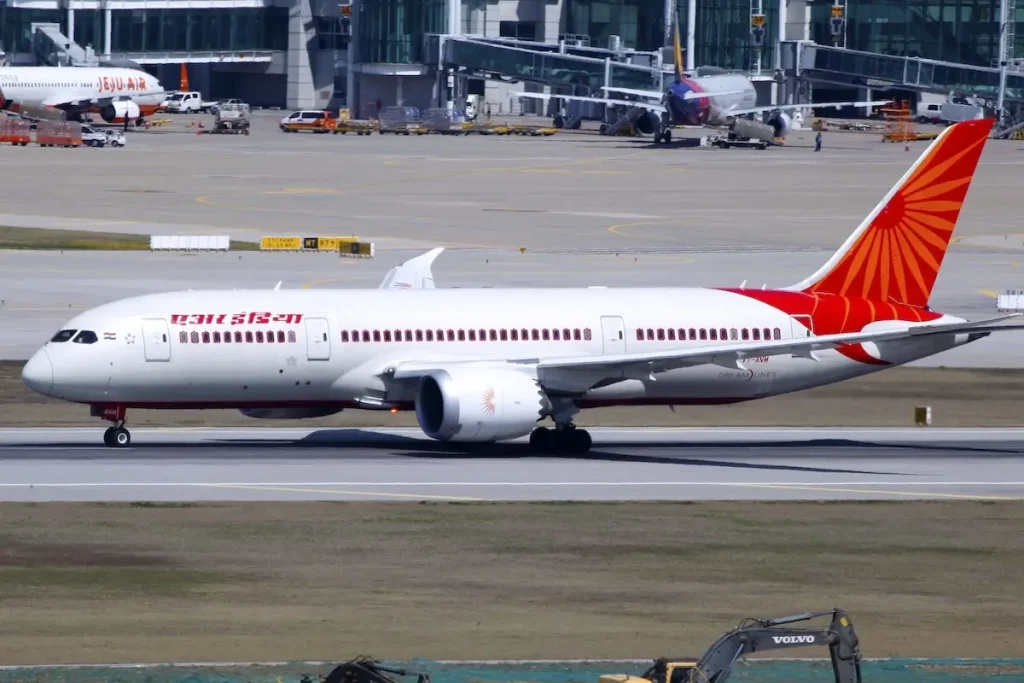
Available flight data shows the specific aircraft involved was VT-ANB, a 787-8 with a serial number of 36279. The particular Air India aircraft involved in the accident was first delivered to the flag carrier in January 2014.
Air India heavily relies on the Boeing 787 Dreamliner, which is arguably one of its most critical wide-body aircraft. The flag carrier, alongside its active fleet, has many other 787 Dreamliners on order, demonstrating the program’s importance to its day-to-day operations.

ABOUT THE AUTHOR
Daniel Fowkes is a Melbourne-based aviation analyst and journalist with over a decade of industry experience. As founder of Dj’s Aviation, he delivers trusted analysis on aircraft, airline strategy and global aviation trends for djsaviation.net
Related Articles




Stay Informed
Get the latest aviation news, analysis and route updates delivered to your inbox.
We respect your privacy. Unsubscribe at any time.
Enjoyed this story?
Make us your go-to for aviation news
Add us as a preferred source on Google and see our latest stories first in Top Stories.
Add Us On Your News Feed