
Wizz Air has confirmed it’ll leave the Middle East and is also looking to make a change with Airbus aircraft.
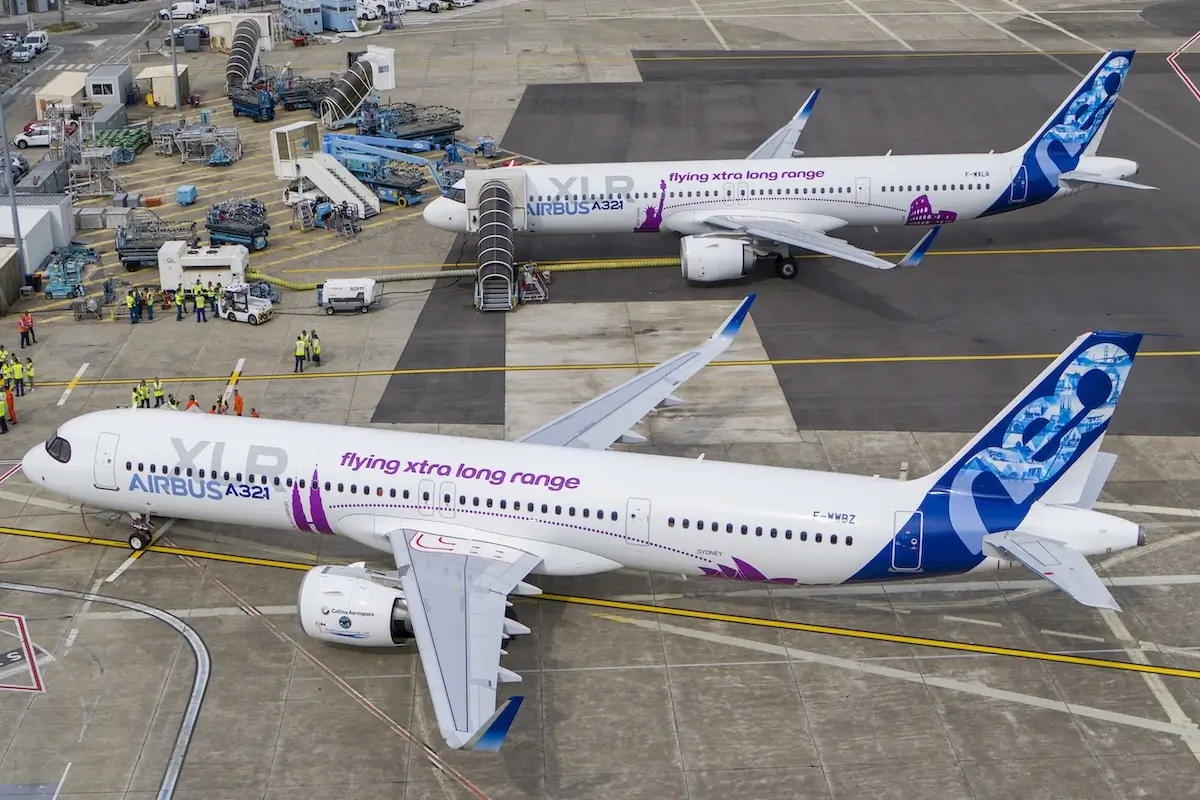
The budget European carrier is now in discussions with Airbus to adjust its future fleet composition and notably reduce its reliance on the A321XLR.
If executed, this would be a decision that’d see the A321XLR figure drop from the 47 currently on order, instead opting for the base A321neo model.
The A321XLR was expected to be pivotal for the development of medium-range flights towards markets such as the Middle East and specifically Abu Dhabi.
However, with Wizz Air exiting this part of the world, the need for the A321XLR is no longer what it once was, and thus changes their future outlook.
Moving forward, Wizz Air says it’ll refocus its operations across Central and Eastern European Markets, even towards the West, following a comprehensive review of its operations.
Driven by challenges in this region and a low-cost business model, the airline aims to make these operations profitable. However, the operator has encountered significant difficulties, indicating that more is not going wrong than right.

Engine problems have impacted the company’s ability to operate profitably. Wizz Air, which utilises Airbus’ next-generation aircraft, has been affected by groundings due to Pratt & Whitney GTF engine complications for many years.
However, away from groundings, the carrier cites the continued airspace closures and political tensions, which have diverted traffic, added costs, and increased travel times.
These disruptions are also affecting demand across its routes and the general appeal of Wizz Air services to these markets, naturally affecting their ability to be profitable compared to existing destinations closer in nature to their home bases.
Wizz Air Said A321XLR Was Key
Only a matter of months ago, Wizz Air confirmed the importance of the A321XLR in the development of its network, looking deeper into the future.
Despite encountering delays in its delivery to the budget European airline, there was a firm belief that the jet would be a game changer for flying towards markets such as the Middle East for decades to come.
The enhanced range capabilities are a key selling point, allowing routes such as London Gatwick to Jeddah to be flown without a single stop, alongside many others.
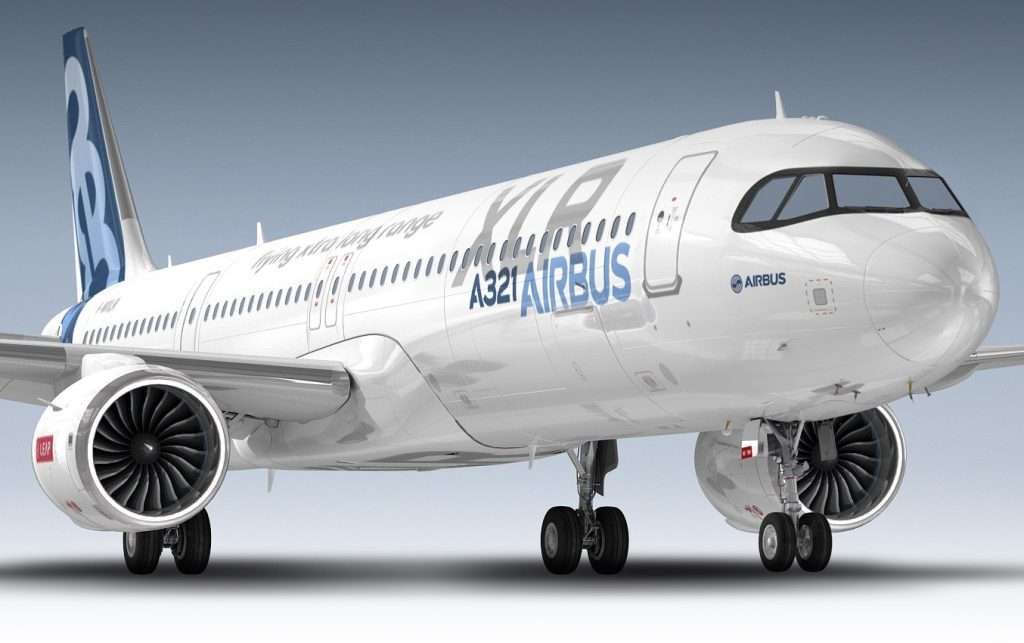
Configured in all-economy at delivery, the airline noted that the layout would put a prime focus on passenger capacity, integral to the business model, which aims to offer low-cost flying options while maximising connectivity opportunities as well.
Now, after all the struggles in taking delivery of the A321XLR, its future in the airline’s fleet will not be quite what it once was, with a religned focus taking place across the company that’ll see a departure from the Middle East.

ABOUT THE AUTHOR
Daniel Fowkes is a Melbourne-based aviation analyst and journalist with over a decade of industry experience. As founder of Dj’s Aviation, he delivers trusted analysis on aircraft, airline strategy and global aviation trends for djsaviation.net
Related Articles




Stay Informed
Get the latest aviation news, analysis and route updates delivered to your inbox.
We respect your privacy. Unsubscribe at any time.
Enjoyed this story?
Make us your go-to for aviation news
Add us as a preferred source on Google and see our latest stories first in Top Stories.
Add Us On Your News Feed