
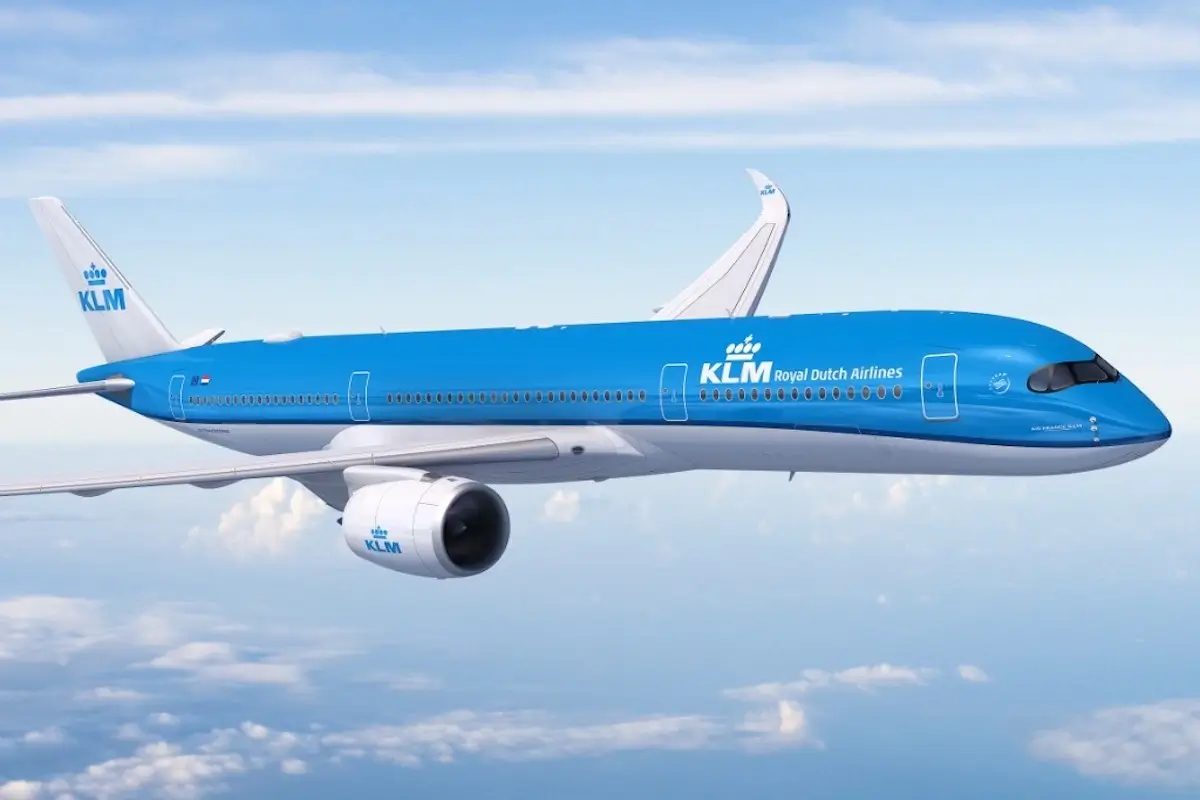
The Airbus A350 will enable KLM to retire older widebody planes, but the plane is now experiencing delays.
As a result, the Netherlands-based company joins a lengthy list of global airlines that have been informed that their new products will not be delivered on time.
So, why has the Airbus A350 been delayed in its delivery to KLM?
A Fresh Delay For KLM
Ch-aviation reported that KLM would encounter delays in taking delivery of its new Airbus A350, a blow to fleet renewal and growth expectations.
At this stage, KLM should be expecting delays of an additional six to twelve months, which aligns with comments shared by the planemaker who has been facing their struggles.
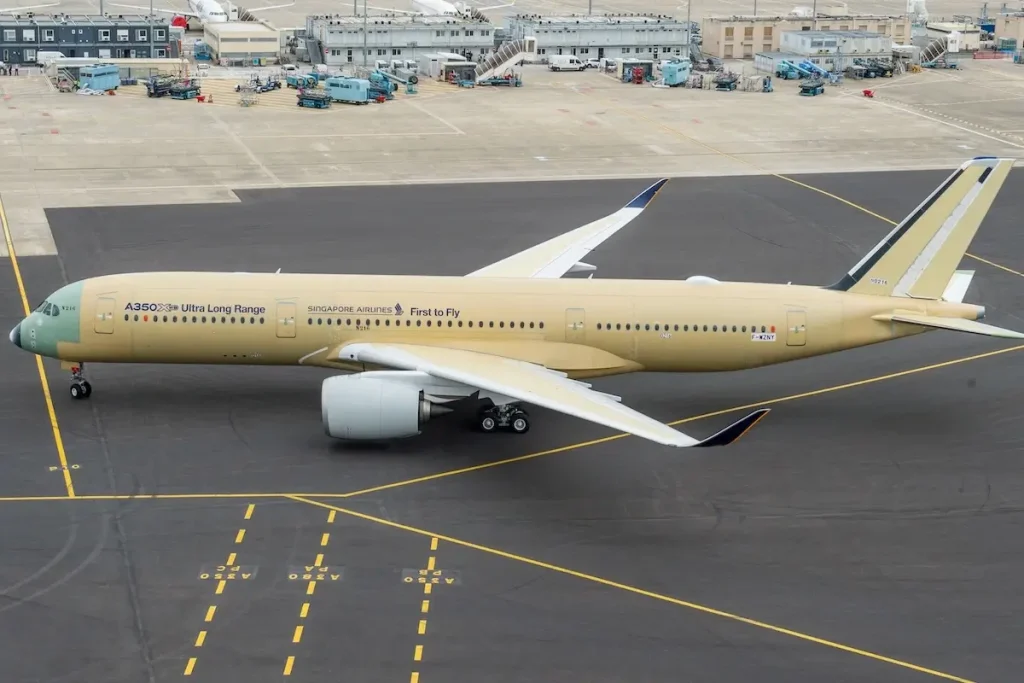
However, as with all delivery delays, the timeframes can be pushed back further depending on how production pans out for these new planes.
The Airbus A350 Order
In September 2023, Air France-KLM placed a next-generation order, which at the time was an incremental one, comprising 90 A350s from Airbus; this consisted of 50 firm orders and 40 additional options.
While this was a significant deal for Airbus and has helped the backlog considerably, it attracted more attention for the decision by the Air France-KLM Group to introduce the widebody into the Dutch carrier.
The Group was not unfamiliar with the A350 at the time of purchase; the aircraft had flown extensively with the French flag-carrier, but sending units to KLM to help their international flying represented a change and the introduction of a new fleet type.
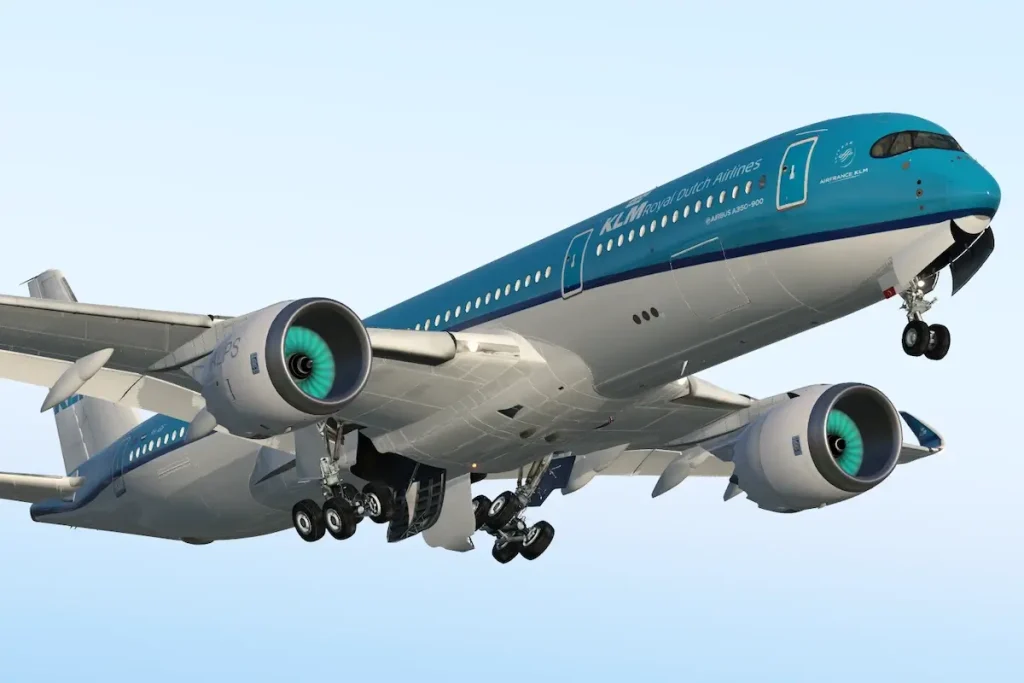
KLM will utilise the Airbus A350 to elevate its widebody operation, and the series will also act as a means to help replace some of its existing widebody jets, which are beginning to show signs of age.
The carrier confirms that types such as the Boeing 777-200ER and even variants in the A330 family will see the A350 act as a formal replacement.
What this means is that over 20 aircraft need to be replaced in a bid to renew the business, and the order placed in 2023 suggested that a first delivery would occur in 2026, three years later.
But Why The Delays?
For KLM, internally, the expectation would have always been that delays were to be encountered with the delivery of the A350 program, driven by guidance from the manufacturer.
Airbus has faced challenges across recent years and across all its aircraft programs, which have prevented the delivery of new jets on time, stemming from damaged supply chains that are critical to the production of jets.
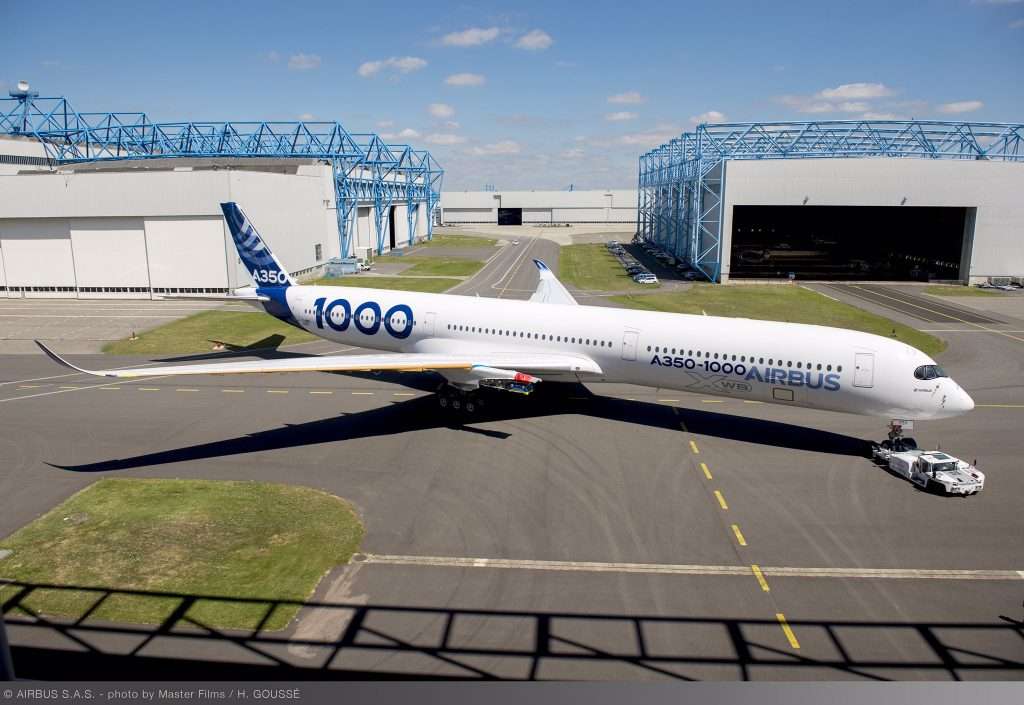
Executives at the planemaker have confirmed throughout 2025 that delays should be considered the new normal across single-aisle and widebody jets as the company battles with an increasing backlog and production rates that cannot keep up.
Airbus faces numerous challenges, including delayed engine deliveries, seat installation issues, and the delayed delivery of fuselage parts to assemble the aircraft, among others. The company struggles to move through production processes quickly enough.
While it’s true that components are delayed in their delivery to Airbus, there’s also a shortage of key parts that are required to build the planes, leaving aircraft unfinished on the production floor.
Additionally, when battling these challenges, Airbus finds itself significantly lacking the experience it once had on the production floor after the COVID-19 pandemic wiped out a great deal of experience.
Stabilisation across the board must come. KLM is aware of this, as are many other airlines who are also experiencing delays in receiving their new equipment, but this doesn’t make things any easier, as it can have adverse effects on the airline in question.
The Impact On KLM
Every airline’s impact on the delayed delivery of aircraft varies; however, generally, there are the same fundamental factors that must be considered.
Most airlines state that they welcome new planes, such as the A350, which KLM is doing so to either commence or continue the transition towards next-generation aircraft.
In the case of KLM, they’re aiming to remove two fleet types, for the acquisition of one which brings flexibility, efficiency and also stability to the business with fewer fleet types present.
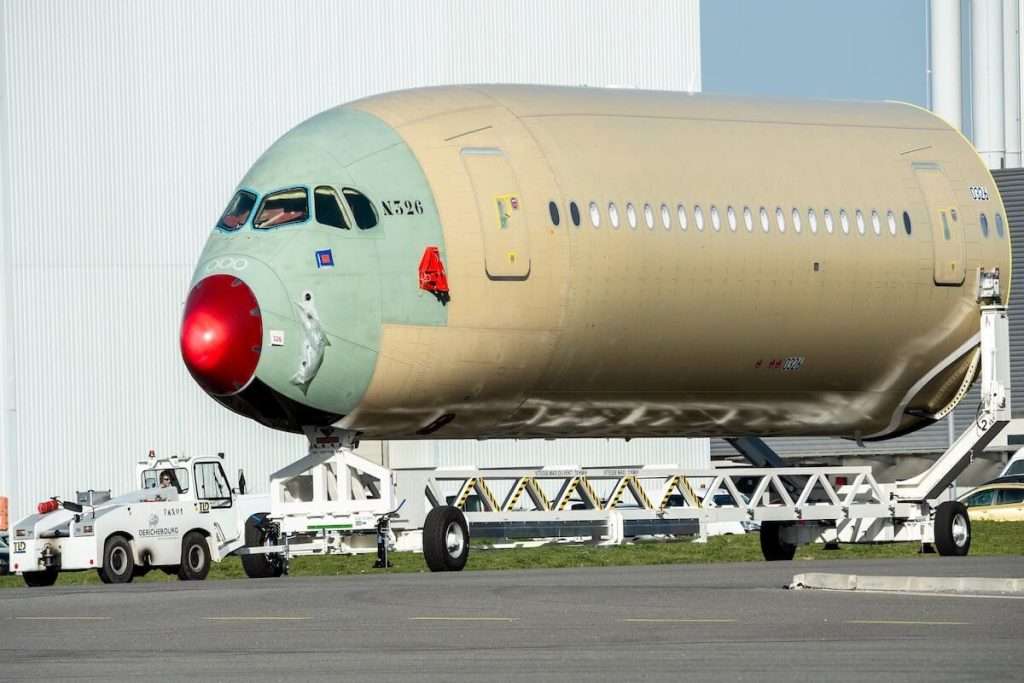
However, when a product such as the A350 is not capable of being delivered on time, it necessitates the retention of these older products for more extended periods.
While for KLM, this is not inherently bad as it means it still has capacity that can serve its network, it’s still a decision that would not have been made as the older planes cost more to operate.
Despite this, KLM will remain in close communication with Airbus over the delays, transparency being key to navigating the obstacles.
Some airlines have been critical of the transparency, expressing frustration over the persistent missed timeframes. Not all carriers share this sentiment, as each set of circumstances is different.

ABOUT THE AUTHOR
Daniel Fowkes is a Melbourne-based aviation analyst and journalist with over a decade of industry experience. As founder of Dj’s Aviation, he delivers trusted analysis on aircraft, airline strategy and global aviation trends for djsaviation.net
Related Articles




Stay Informed
Get the latest aviation news, analysis and route updates delivered to your inbox.
We respect your privacy. Unsubscribe at any time.
Enjoyed this story?
Make us your go-to for aviation news
Add us as a preferred source on Google and see our latest stories first in Top Stories.
Add Us On Your News Feed