
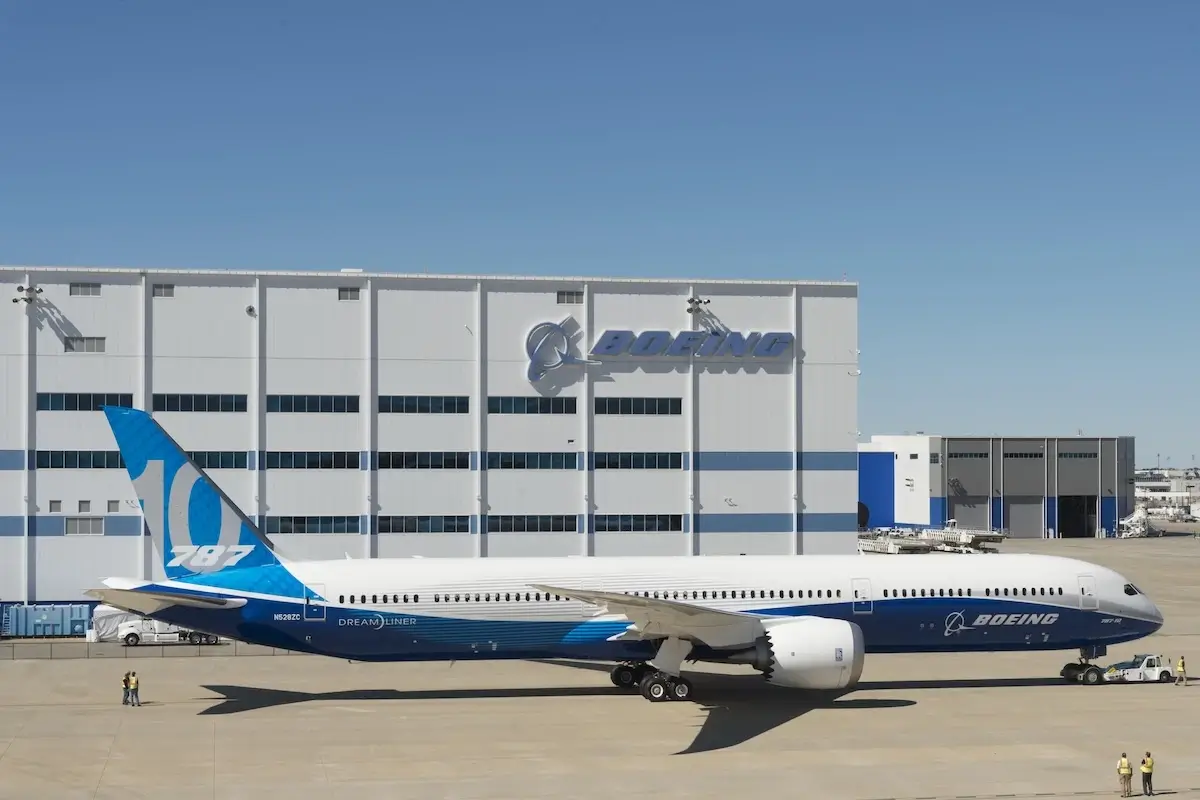
Boeing has reported its deliveries for June, with 60 planes shipped during the 30 days, putting it almost level with Airbus.
For the American planemaker, this represented a substantial 27% increase from the same period the previous year.
The month’s performance was substantially aided by the delivery of eight aircraft to airlines in China, which occurred following the easing of trade tensions, allowing commercial aircraft deliveries to resume.
Included in the month’s performance were deliveries for 42 of the 737 MAX family, the high-performing and in-demand single-aisle jet, which will always account for the bulk of deliveries unless there is a problem preventing deliveries.
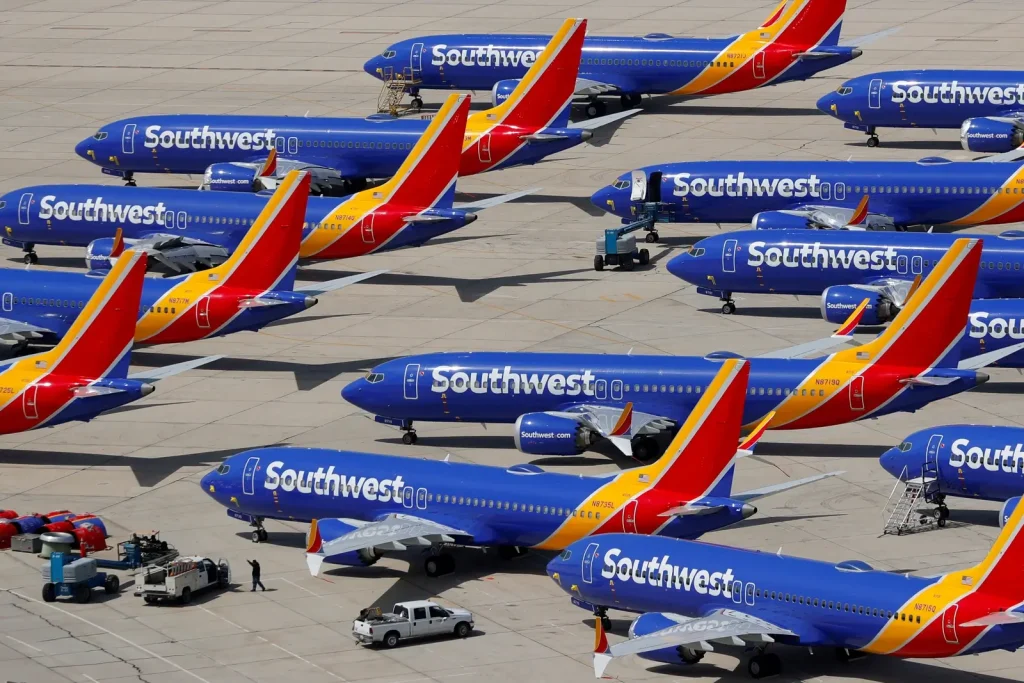
One of the biggest beneficiaries of the monthly deliveries was U.S. carrier Southwest, also one of the largest customers of the Boeing 737 MAX and one that has been frustrated by output delays and other operational complications.
Away from the 737 MAX, Boeing delivered nine of its 787s, four of its 777 freighters, and five of its 767s, with many of these planes ultimately delayed in reaching their respective customers.
Ultimately, order performance dipped; however, it followed a quieter-than-expected 2025 edition of the Farnborough Airshow, which came after the fatal Air India accident involving a 787 Dreamliner.
Boeing decided against having a genuine presence at the airshow and instead focused on supporting the Indian flag carrier through investigations and the immediate aftermath of the first fatal incident involving the 787 since its introduction.
Airbus vs Boeing In 2025
Despite the challenges that have affected Boeing over the last five-plus years, 2025 has represented a year of improvement, particularly in terms of output.
Substantial investments made across 2024 are now starting to pay off as supply chains rebuild and Boeing’s production begins to return to the caps that are still in place.
Boeing’s 60 deliveries in June matched almost that of Airbus. While its competitor has experienced more deliveries in recent months, undoubtedly aided by its lack of delivery suspensions to China, Boeing also took the crown for delivering more planes in the early months of 2025.
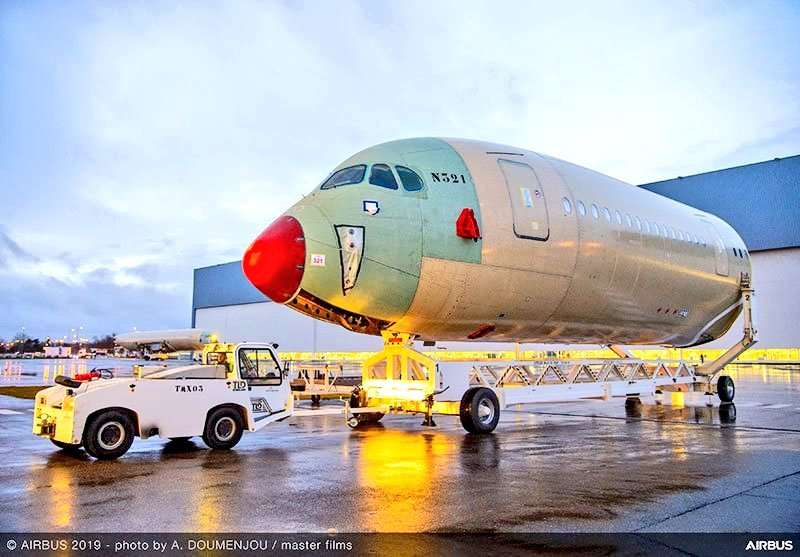
Much of this closeness, and especially Airbus’ failure to meet many of its targets, is driven by its struggles with its supply chain, which has resulted in output rates dropping below initial expectations.
Now, Airbus finds itself scrambling to reach the target of 820 commercial airplane deliveries for the 2025 calendar year. To achieve this figure, it would need to significantly increase its output for the remaining months.
However, with the knowledge that airlines’ new arrivals are coming with months, if not year-long delays, it remains a continued challenge for both Airbus and Boeing to provide aircraft on time to customers.

ABOUT THE AUTHOR
Daniel Fowkes is a Melbourne-based aviation analyst and journalist with over a decade of industry experience. As founder of Dj’s Aviation, he delivers trusted analysis on aircraft, airline strategy and global aviation trends for djsaviation.net
Related Articles




Stay Informed
Get the latest aviation news, analysis and route updates delivered to your inbox.
We respect your privacy. Unsubscribe at any time.
Enjoyed this story?
Make us your go-to for aviation news
Add us as a preferred source on Google and see our latest stories first in Top Stories.
Add Us On Your News Feed