
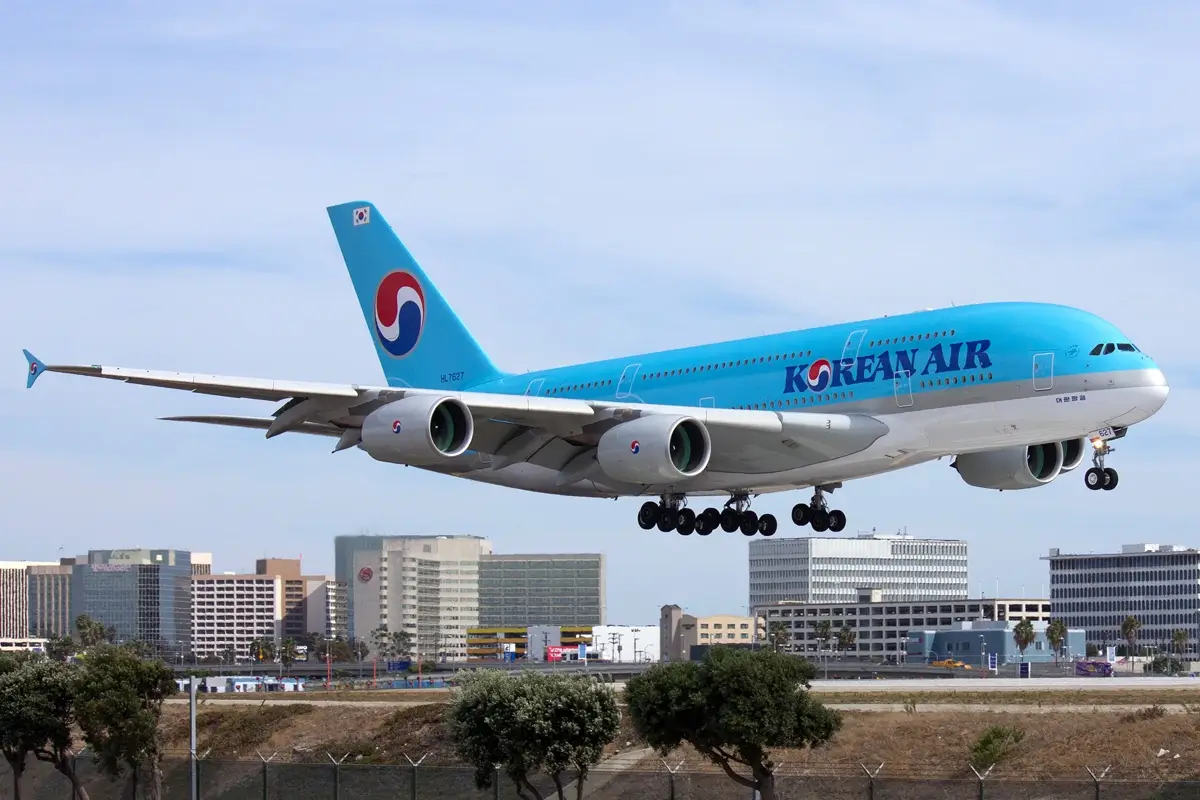
Korean Air, which will merge with Asiana Airlines, will retain its Airbus A380s and Boeing 747s longer than expected.
These two quad-engined planes represent the highest capacity planes in operation for the South Korean company; however, they are also two types that many airlines are looking to axe simultaneously.
While these planes come with truckloads of capacity, they also come with downsides for operators, such as poor efficiency and, at times, struggles associated with consistently filling the jets.
As more next-generation and, more importantly, twin-engine jets emerge, airlines have moved away from superjumbos in favour of a more sustainable fleet model and one that offers flexibility.
Korean Air will, unlike others, retain types such as the Airbus A380 and Boeing 747 for now longer than expected as it battles with new aircraft delays.
Unfortunately, the South Korean carrier has become just one of the many to be impacted by supply chain constraints, which have limited output from aircraft manufacturers still trying to catch up.
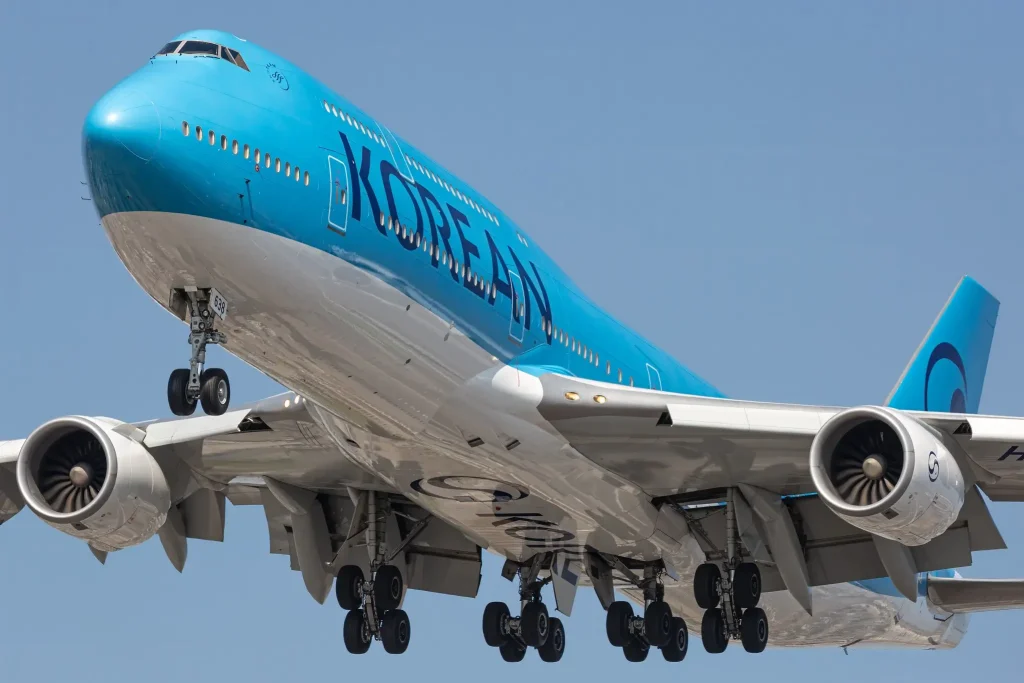
As a result, while fleet renewal would have been nearing completion or had progressed enough to remove these quad-engined types, Korean Air finds itself short of 40 aircraft from Airbus and Boeing.
Additionally, many of the aircraft that the airline is short on are for wide-body jets, such as the 787, the upcoming 777-9, and the A350 from Airbus, which would have contributed to the retirement of the older aircraft series.
Now, Korean Air will continue to evaluate future deliveries and, when it believes it has adequate coverage, begin the lengthy process to retire some of its largest planes; however, doing so any sooner than required to offset the loss in capacity and market share must be avoided.
Lufthansa Faces Same Korean Air Problem
Korean Air would not be alone in retiring older planes to make way for newer, more efficient types.
Lufthansa also intends to retire its quad-engine planes to make way for Airbus and Boeing’s latest wide-body iterations; however, supply chain complexities have prevented this from unfolding as planned.
Instead, like Korean Air, Lufthansa has faced the necessity of retaining these larger and older planes to mitigate possible capacity loss driven by the delayed delivery of new aircraft.
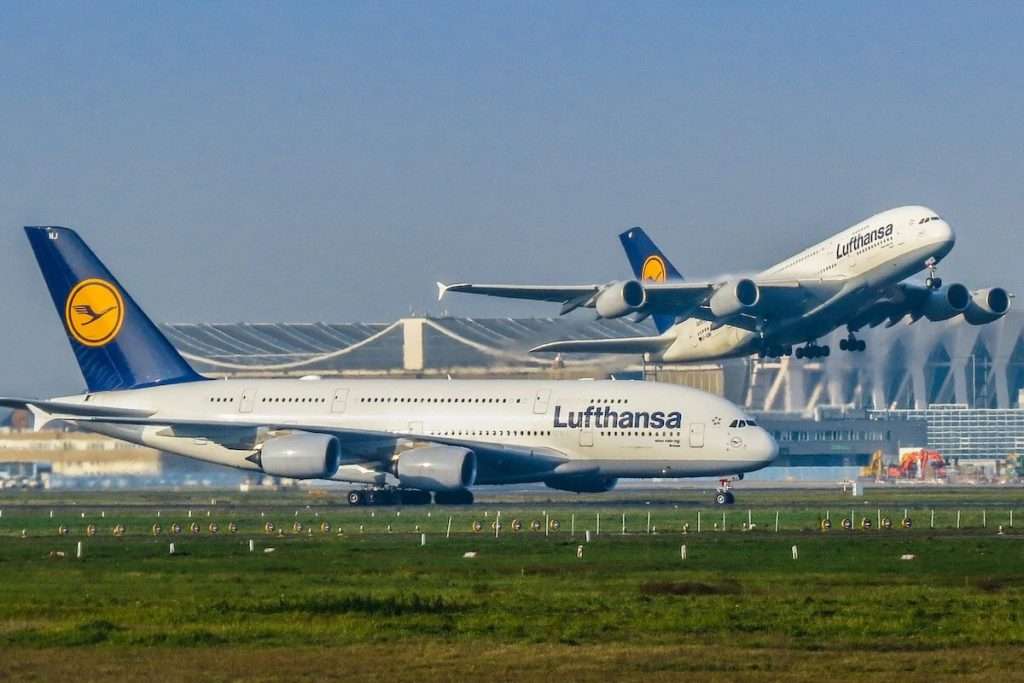
Lufthansa has gone so far as to request compensation for the damages caused to its finances. While the airline benefits from increased capacity, there are associated downsides to retaining the older jets, such as higher operating and maintenance costs.
Ultimately, there’s considerable uncertainty for many airlines regarding fleet renewal moving forward. However, if an airline can retain jets to limit capacity loss, despite the adverse effects, it would be better positioned than other emerging carriers attempting to grow but struggling to acquire new planes.

ABOUT THE AUTHOR
Daniel Fowkes is a Melbourne-based aviation analyst and journalist with over a decade of industry experience. As founder of Dj’s Aviation, he delivers trusted analysis on aircraft, airline strategy and global aviation trends for djsaviation.net
Related Articles




Stay Informed
Get the latest aviation news, analysis and route updates delivered to your inbox.
We respect your privacy. Unsubscribe at any time.
Enjoyed this story?
Make us your go-to for aviation news
Add us as a preferred source on Google and see our latest stories first in Top Stories.
Add Us On Your News Feed