

Cebu Pacific is actively managing one of its toughest periods in company history as aircraft remain grounded.
The grounding affecting Airbus-produced planes with Pratt & Whitney engines is forcing cuts across their network, with adverse effects on finances, among other things.
However, according to the airline’s CEO, the problems currently impacting the business are not expected to improve anytime soon, and the challenges will be considered the new normal.
Comments from the CEO, shared through Aviation Week, highlighted that three or four months ago, the picture was very different, and Cebu Pacific was a firm believer that the situation would improve by year’s end.
According to that forecasting, it would mean Cebu Pacific would see fewer planes on the ground affected by the engine challenges and thus the restoration of its active fleet slowly but surely; however, instead, the opposite has happened.
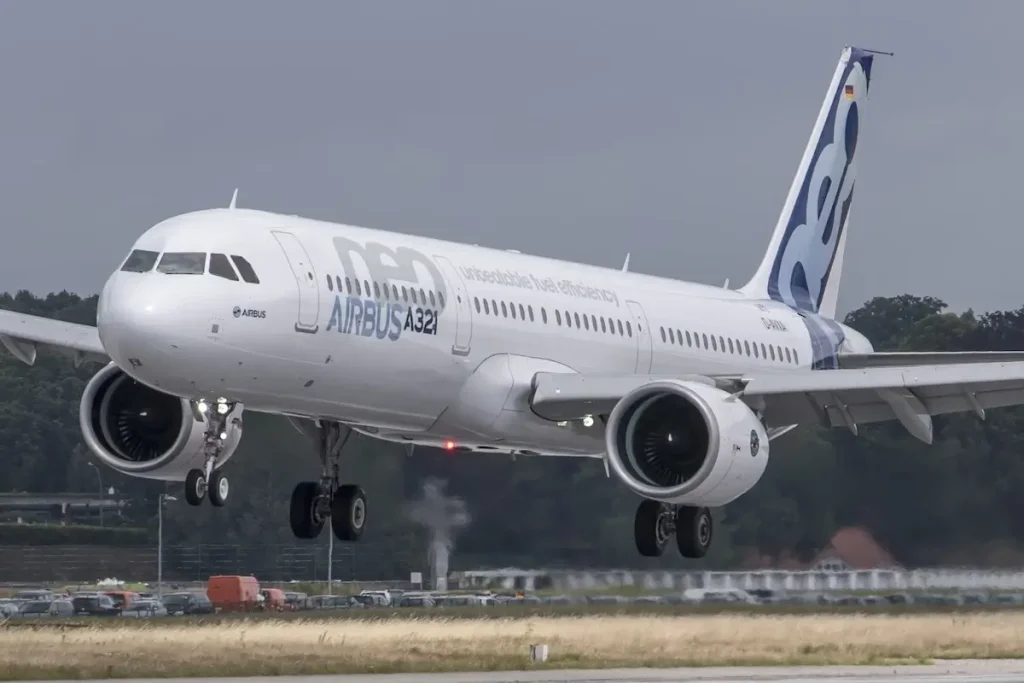
A lot can change in just a few months, especially in the aviation industry. Now, the Philippine-based carrier has confirmed this, stating that the situation will not improve by the end of 2025.
Worse still, Cebu Pacific is now expecting that the complexities in the ongoing groundings of Airbus aircraft powered by Pratt & Whitney engines could worsen further in 2026.
Fleet data indicates that Cebu Pacific has 22 Airbus A320neos in its fleet; however, only 13 of these remain in service, with nine units listed as parked.
Additionally, the carrier operates the higher-capacity A321neo model, with 19 units in service; however, four are parked.
Cebu Pacific Not Alone In Airbus Groundings
Unfortunately, but also for the comfort of Cebu Pacific, they are not the only airline struggling with Airbus family aircraft.
Many other airlines have fallen victim to the Pratt & Whitney GTF engine crisis, which is causing the parking of planes, temporary lease agreements, and losses, leading to compensation claims.
The situation, which has taken no prisoners irrespective of business model, geographical positioning, or fleet size, has thrown planning for most airlines out of the window, as mitigating the losses from these groundings has become paramount.
Frustratingly for these operators, the planes being grounded at delivery would have been considered the solution moving forward, allowing them to advance with higher efficiency and reliability, thereby helping to remove older, less efficient types.
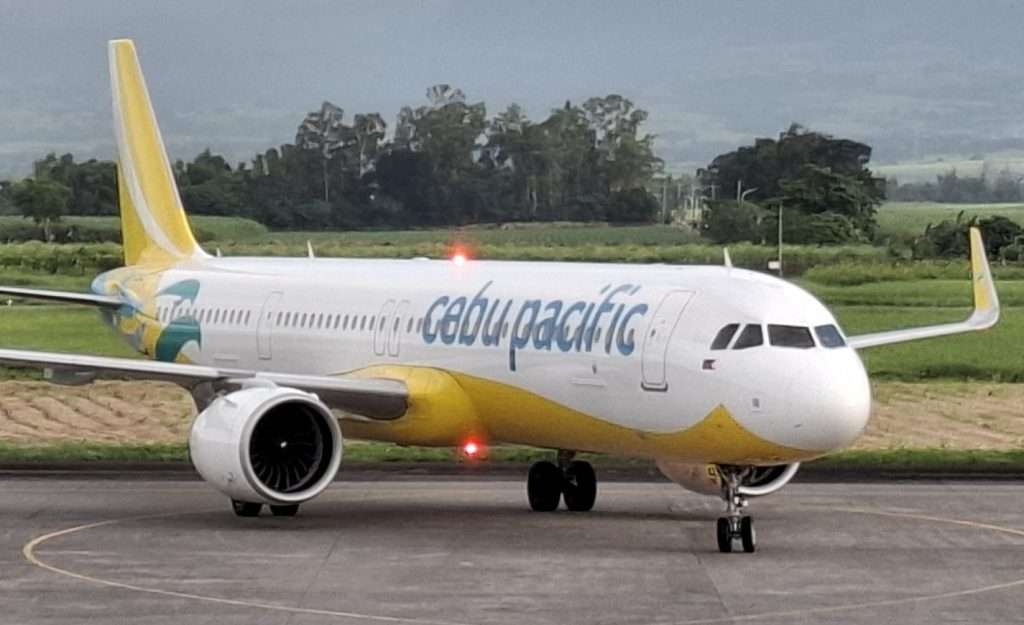
While on paper, aircraft such as the A320neo and A321neo stack up well against their competitors and will benefit airlines like Cebu Pacific, their stay since delivery has been anything but smooth.
As a result, many airlines are still years away from experiencing the full benefits of a fleet of aircraft operated by GTF engines; worse still, with such uncertainty about when problems will ease, it becomes a nightmare for companies to plan around.

ABOUT THE AUTHOR
Daniel Fowkes is a Melbourne-based aviation analyst and journalist with over a decade of industry experience. As founder of Dj’s Aviation, he delivers trusted analysis on aircraft, airline strategy and global aviation trends for djsaviation.net
Related Articles




Stay Informed
Get the latest aviation news, analysis and route updates delivered to your inbox.
We respect your privacy. Unsubscribe at any time.
Enjoyed this story?
Make us your go-to for aviation news
Add us as a preferred source on Google and see our latest stories first in Top Stories.
Add Us On Your News Feed