

In 2020, Lufthansa decided to ground many Boeing 747s, part of a broader fleet parking initiative.
However, the initial plan for the 747, which was outlined at the time of the grounding, did not eventuate as intended.
Now, where does the 747 fleet stand? What caused the grounding? What problems were experienced, and what’s next?
The COVID-19 Pandemic Arrives
In the early part of 2020, travel demand dropped to zero as the global pandemic arrived, and Lufthansa, like other operators, was significantly impacted.
In mid-March, the Lufthansa Group announced that a mass parking was to occur with 700 planes to be put on the ground, leaving less than 70 jets airborne to meet the available demand and essential missions.
Given the high-capacity nature of the Boeing 747-400, this aircraft was selected to be parked at the time, joining fleet types such as the A340s and A380s, which were grounded to cut costs and preserve what remained of the business.
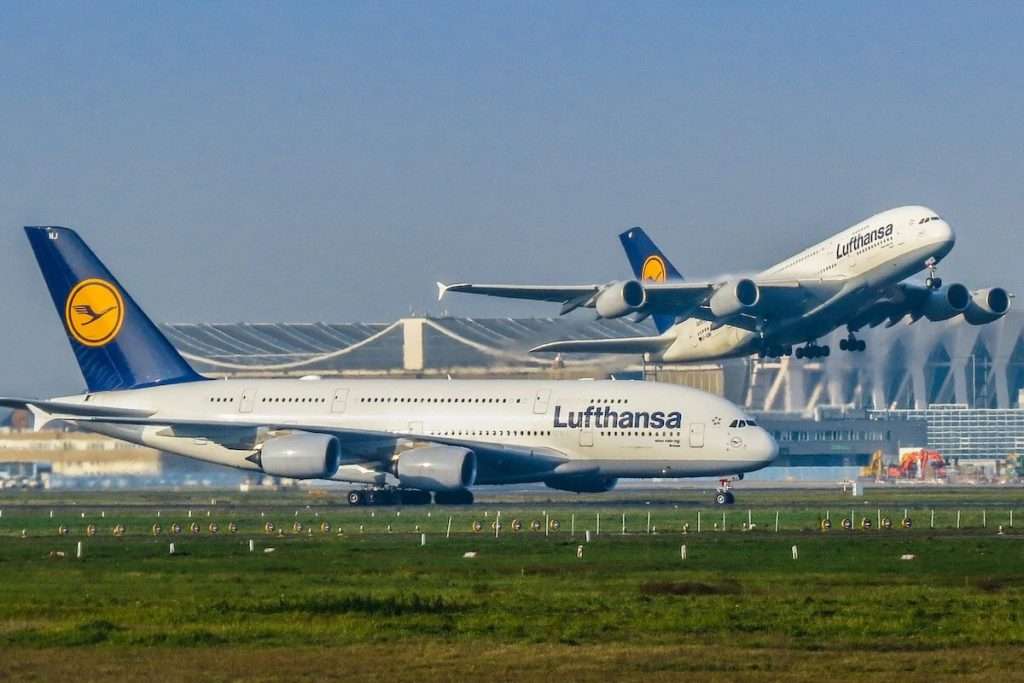
Labelled as survival mode, the dramatic measures were undertaken because of the costly nature of operating four-engined aircraft. The airline believed it could further reduce spending by eliminating these fleet types.
In early April, it confirmed that five 747-400s were to be parked permanently, joining seven A340-600s and six Airbus A380s, a massive capacity loss to cities such as Frankfurt and Munich, which relied on these fleet types.
However, even if the 747s that were parked had remained active, their potential to serve markets would have always been minimal, given their inability to fly at capacity due to government restrictions.
An Opportunity Arises
While the COVID-19 pandemic presented an unprecedented challenge for airlines, it also offered some opportunities.
For large airlines such as Lufthansa, which had been experiencing what many described as fleet problems for some time, the lack of demand, particularly international demand, led to aircraft groundings.
As a result of jets being parked there, thorough internal studies were conducted to determine what aircraft could be deemed surplus to requirements in an ideal world.
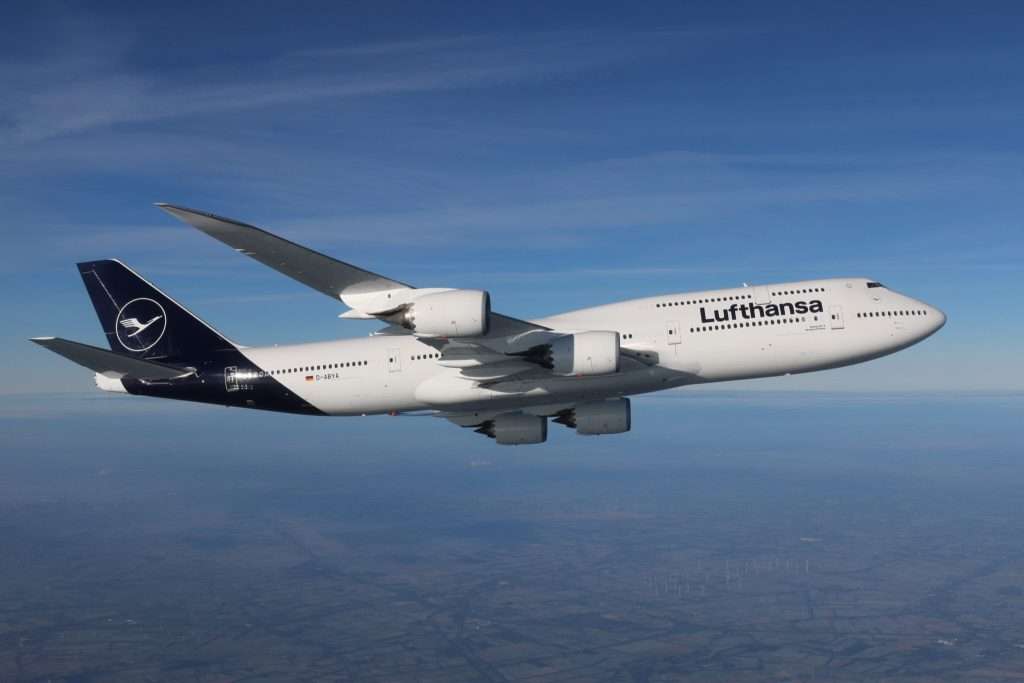
For Lufthansa, its fleet makeup had long been critiqued, and the pandemic presented an opportunity to advance fleet renewal efforts. Accelerating the process would hopefully yield greater returns moving forward.
This renewal would see a greater focus placed on next-generation twin-engine aircraft, with the permanent retirement of older widebodies, such as the 747-400, A340, and even the A380.
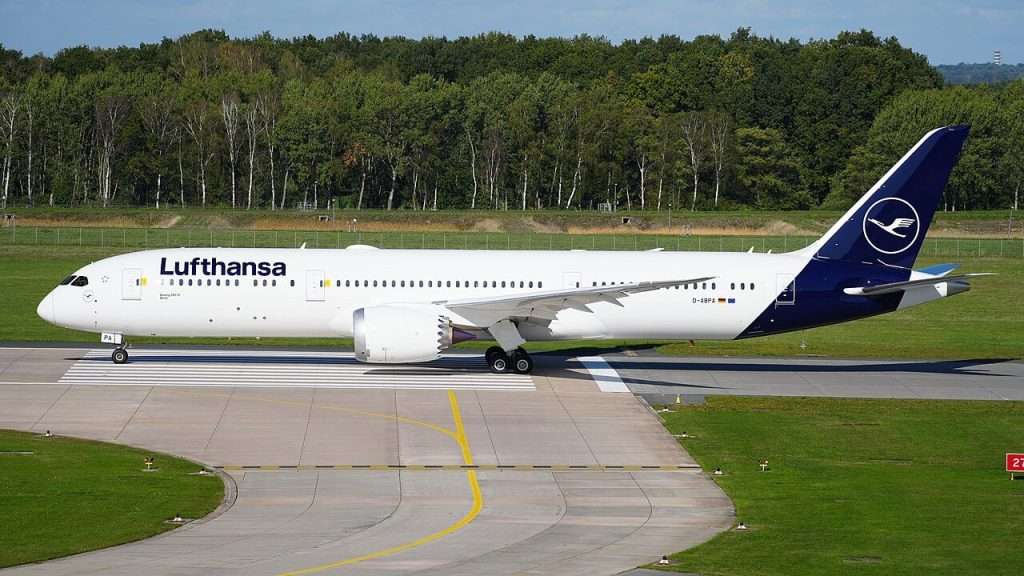
Additionally, the changes would see three fleet types axed in favour of growing its commitment to the likes of the 787 and A350.
Lufthansa Faces Probnlems
Unfortunately, a significant factor in the Boeing 747-400’s continued operation with Lufthansa to this day is the inability to replace these planes as intended.
In a perfect world, the pandemic would have led to older and larger jets being retired, sent to the scrapyard, and new deliveries would have occurred.
During the process of new deliveries, demand would slowly return, and the airline would be able to manage with a leaner fleet in the short term.
However, fundamentally, none of this panned out as intended. Instead, demand surged back quicker than most had expected, not by months, but by years, based on medical experts’ forecasts.
Moreover, the pandemic had torn a hole in most travellers’ day-to-day lives, impacting their ability to fly, as well as affecting plane makers and their supply chains, which meant deliveries could not occur.
Lufthansa couldn’t move ahead with the permanent retirement of jets when it couldn’t source the applicable replacements, and thus ensued years of financial hurt.
While larger jets, such as the 747, are beloved by enthusiasts and travellers for their iconic nature, they see Lufthansa hemorrhage money; this could all be avoided if supply chains weren’t damaged beyond repair.

Lufthansa has expressed its frustrations on several occasions, acknowledging that it is not just supply chains but also Boeing’s inability to certify the 777X, which has impacted the retirement of types like the 747-400.
747 Retirement Is Coming
Now, in mid-2025, while a modest number of 747-400s are still active in the Lufthansa operation, their numbers have diminished quite considerably, certainly aligning with fleet renewal plans.
However, a timeline for retirement also exists; now, the aircraft remains an essential part of the airline’s network across international markets, with its high capacity being valuable.
Despite this, the airline confirmed that its 747 fleet would no longer be part of the business by 2028, as announced during its Q2 financial results in 2024.
The departure of the Boeing 747-400 will also coincide with the retirement of the A340, another quad-engined jet that will no longer have a role to play as 787s, A350s, and 777Xs continue to enter the market.

Despite the airline saying farewell to the 747-400, the extension of the life of this type has been significant, not for all the right reasons, but showing the importance of the queen, as it is affectionately known.
Additionally, while the -400 model departs Lufthansa, the 747-8 will be retained until the 2030s as cabin investments have been made to keep this superjumbo around longer, also given its still youthful age compared to the 747-400.

ABOUT THE AUTHOR
Daniel Fowkes is a Melbourne-based aviation analyst and journalist with over a decade of industry experience. As founder of Dj’s Aviation, he delivers trusted analysis on aircraft, airline strategy and global aviation trends for djsaviation.net
Leave a Reply
Related Articles




Stay Informed
Get the latest aviation news, analysis and route updates delivered to your inbox.
We respect your privacy. Unsubscribe at any time.
Enjoyed this story?
Make us your go-to for aviation news
Add us as a preferred source on Google and see our latest stories first in Top Stories.
Add Us On Your News Feed
Why is the airline industry trying to squeeze passengers into smaller planes for a 12hrs journey with limited toilets and walking space instead of a bigger planes!
Fantastic don’t get rid of this fantastic aircraft it’s amazing.
The A380 I love.
I am sad it’s done.
I fly on the A380 this year for the second time