
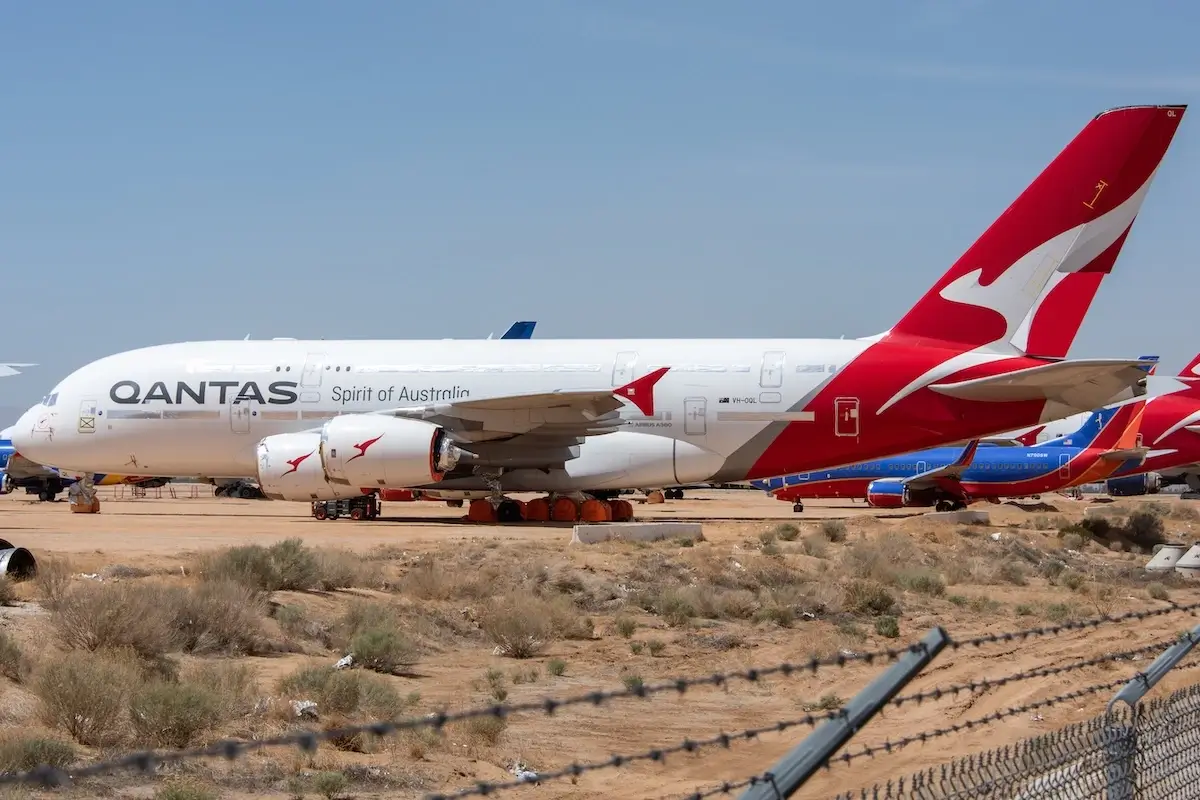
In 2020, Qantas grounded its Airbus A380 fleet with concerns about whether the series would ever return.
The mass grounding was seen across the industry, but why did the airline make this decision, and where is the fleet now in 2025?
A Global Pandemic Arrives
The COVID-19 pandemic posed a significant threat to many airlines around the world; however, from a fleet standpoint, it was jets like the Airbus A380 that were among the first to be cut.
As international capacity was dramatically slashed to zero, airlines had to enter business preservation mode, and therefore, less efficient products were removed first.
In March 2020, Qantas confirmed it would send its A380 fleet to storage, which also came with substantial capacity cuts across the business, including Asia, the United States, the United Kingdom and Trans-Tasman services being axed.
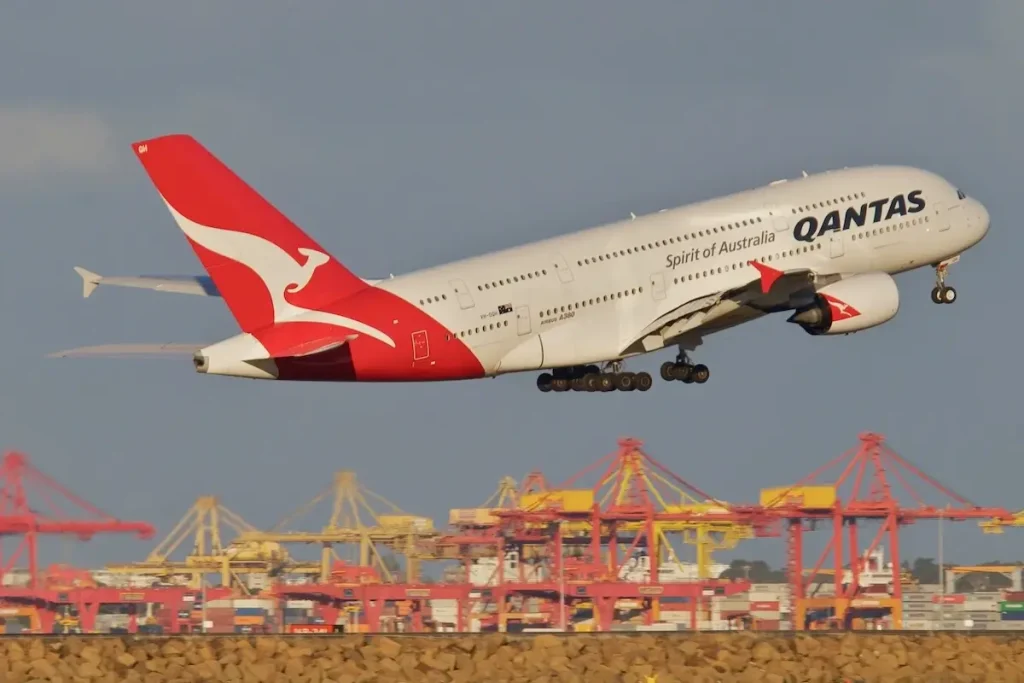
The parking wasn’t a shock, considering the airline followed many others in removing this fleet type, which had lost its use in the business as international travel dropped to zero.
Given the importance of international flying for the Australian flag carrier, the removal of the A380 still had profound impacts on the business, just as all the other capacity reductions that were forced to occur.
By 2021, with the A380 fleet grounded, the airline confirmed that it wouldn’t expect the planes to return to service for some time. Despite their benefits, the risk of returning them to service was too significant, leaving the jets idle.
Qantas Backs The A380
During the height of the COVID-19 pandemic, many airlines expressed their dissatisfaction with the A380; Qantas was part of a smaller collective of operators that felt the opposite.
Qantas joined Emirates and British Airways as the leading three carriers expressing their love of the plane. Qantas believed the jet had a place within its operation when demand returned.

Given the geographical positioning of Australia, the ability for the flag carrier to utilise the superjumbo to markets worldwide is hugely important, especially to in-demand locations where higher capacity is required.
As Qantas continued to commit to returning the A380 to service, it also still emphasised plans to complete a retrofit of the A380 fleet.
The refurbishment program, which had already commenced and was therefore confirmed before the COVID-19 pandemic, highlighted the carrier’s confidence in the type.
With no superjumbo replacement, the airline recognised the need to continue investing in the product to ensure its viability when demand returned, even if that was slower than in other markets due to government restrictions in Australia.
The Return Of The Superjumbo
Several years after the COVID-19 pandemic arrived and restrictions began to ease, Qantas commenced the lengthy process to reactivate its fleet.
At times, there were doubts over whether the A380 would return; however, as soon as demand began to surge back and Qantas continued to invest in the cabin product, it became clear that the jet had a place in the fleet.

Moreover, with the 747 not emerging from the pandemic and 787 deliveries being delayed, alongside the EIS of the A350-1000 not expected for years at this point, the need for the A380 to serve the international network was crucial.
While several fleet types needed to return to service to resume flying across the route network and satisfy the surging demand for travel after years of being grounded, it was far from a simple process.
Additionally, during the reactivation process, there was a significant focus on the world’s largest passenger plane, the A380, and the mission to get these planes back into service, given their sheer scale.
A Completed Process
The Australian carrier confirmed in late 2022 that the return of the A380 was one of the most challenging tasks it had undertaken, with 4,500 hours of maintenance work required to bring the jets back into service safely.
Speaking with Bloomberg at the time, the former Qantas CEO, Alan Joyce, said that there is a two-month period alone to wake up an A380 after it has been sitting in storage for this period, and many engineers were tasked with this job.

Areas such as wheel replacement, brake replacement, and other components required complete overhauls, with refreshes to different aspects of the jet to prepare for its return to Australia.
While all this work is completed, it doesn’t mean the aircraft is then ready to reenter service. Qantas stated that this was just the first part of the work, with the A380 heading back to another maintenance base for an additional 100 days of work on top of the initial tasks.
Once the A380s returned to Australia, they would then spend further time in Sydney getting crew familiarised with the jet again and conducting further checks. It is a lengthy process.
Despite this, and while work is still ongoing to fully reactivate the fleet, the jet has a place within the airline’s operations. It continues to fly daily across in-demand international routes.
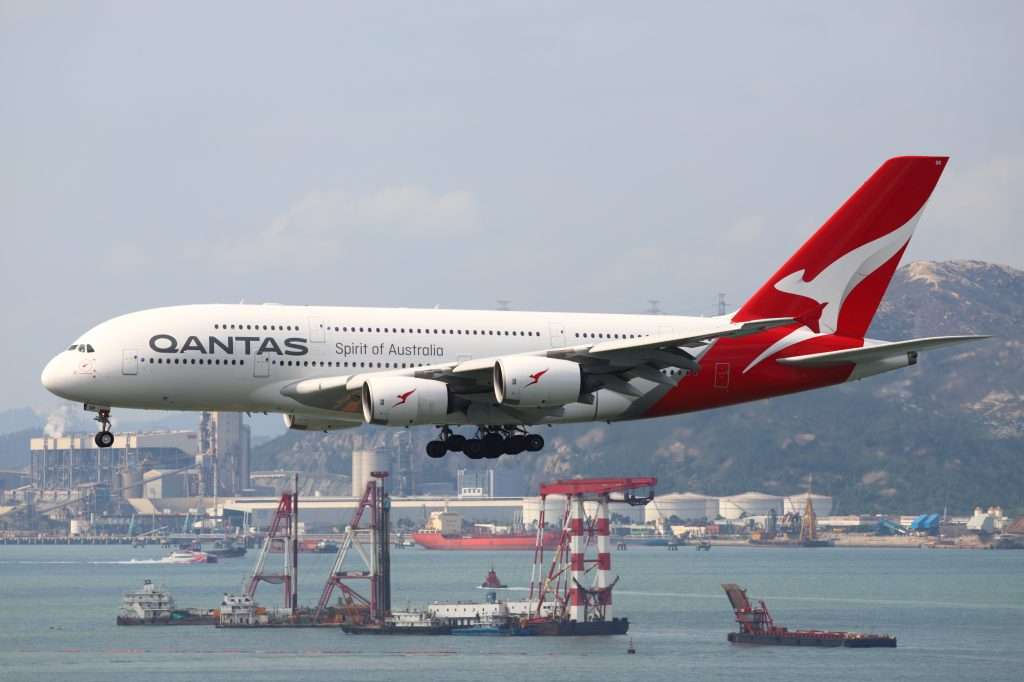
Qantas has already laid out replacement plans for the series, with the A350-1000 expected to take over from the world’s largest passenger plane.
However, while a replacement exists, the A380 will continue to fly in the Qantas fleet until the mid-2030s, with investments in the cabin product making it easier to retain the jet and keep customers satisfied.

ABOUT THE AUTHOR
Daniel Fowkes is a Melbourne-based aviation analyst and journalist with over a decade of industry experience. As founder of Dj’s Aviation, he delivers trusted analysis on aircraft, airline strategy and global aviation trends for djsaviation.net
Leave a Reply
Related Articles




Stay Informed
Get the latest aviation news, analysis and route updates delivered to your inbox.
We respect your privacy. Unsubscribe at any time.
Enjoyed this story?
Make us your go-to for aviation news
Add us as a preferred source on Google and see our latest stories first in Top Stories.
Add Us On Your News Feed
Best reliable and pleasurable plane to fly in comfort and safety
My favourite aeroplane I’m disabled and being able to go for a walk is definitely a plus I fly Sydney to London I like my stop half way so no non stop flights for me not unless I can go business class I first class. Qantas may have it’s problems but at the end of the day they do right by their customers. Don’t know about their staff. I’m so glad to see them keeping the the a380 I used to deliver parts for them in Bristol England I used to love going into the big hangers seeing them put parts together great memories.