
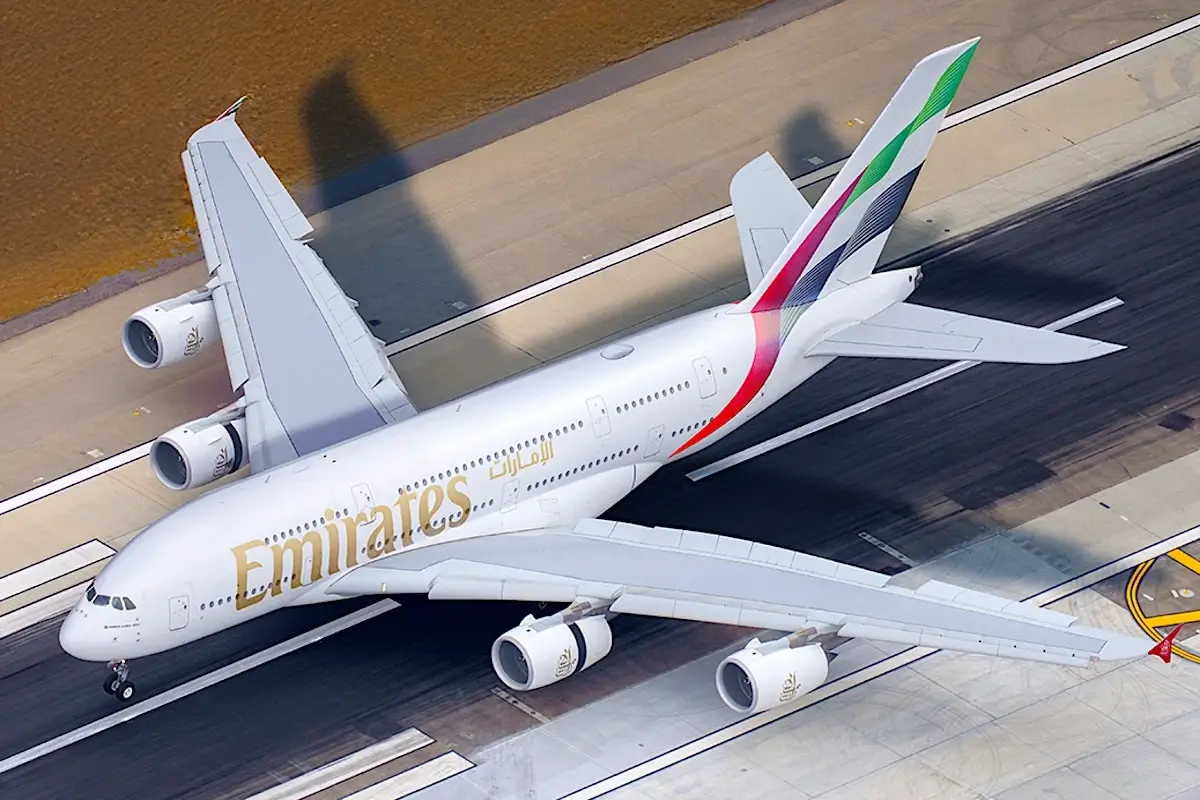
Emirates is continuing to focus on its A380 fleet as retirement plans for the aircraft are being discussed.
Despite being the largest customer of the aircraft and one of the primary reasons the program has enjoyed any form of commercial success, Emirates is aware that it’ll need to move past this program one day.
The efforts to move past this program will prove challenging, especially given the lack of a direct replacement, making the retirement process difficult.
However, Sir Tim Clark, the President of Emirates, reaffirmed that the aircraft will remain in service into the 2040s, rather than being retired around the mid-2030s.
For Emirates, its long-established business model has focused on maintaining a youthful fleet and a continued reliance on innovation, finding ways to reduce the average age of its fleet.
However, this long-established model has been tested over the last half decade, with renewal and retirement plans being put on hold due to considerable challenges in acquiring next-generation aircraft.
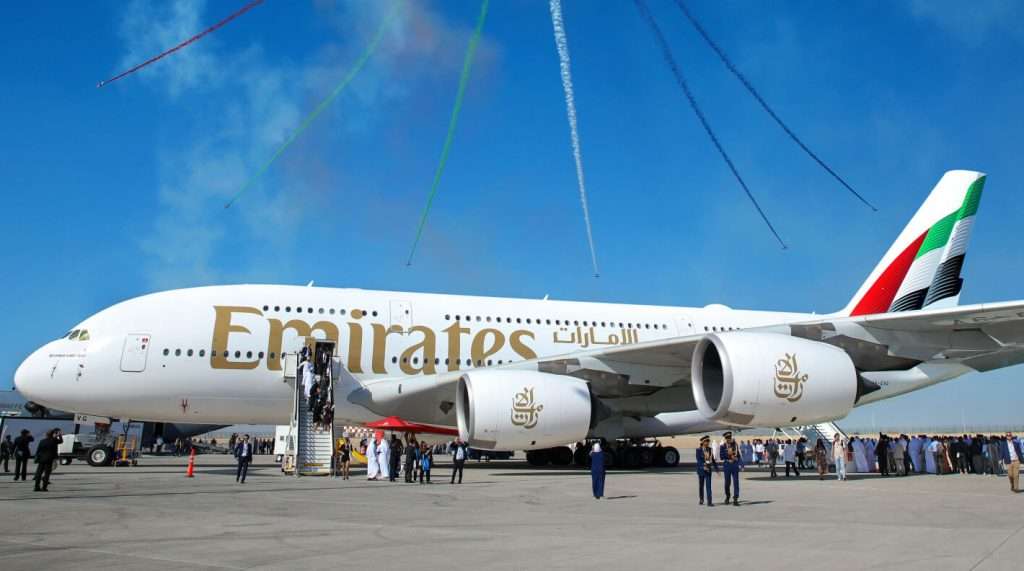
The carrier has retained Boeing 777s longer than it may have ideally wanted, but this was necessary as it continues to face delays in acquiring planes such as the A350 and 777X.
As for the A380, Emirates finds itself in a peculiar position, given that this is its flagship, yet no formal replacement for the type has been offered.
While other high-capacity planes exist, they are not to the same standard as the A380. Now, the airline must ensure that its fleet is maintained and kept to the highest standard for as long as possible to maximise its time with the series.
What makes the retention of the Airbus A380 easier is the ability to acquire spare parts in the future, which will be driven by other airlines retiring this fleet type and valuable tear-downs occurring, helping to maintain the fleet.

Ultimately, Emirates will be primarily positioned to be the last operator of the world’s largest passenger plane; however, this is hardly a surprise given its reliance and the lack of a successor.
No New A380 For Emirates
Much of Emirates’ desire to retain the Airbus A380 is driven not just by its love for the aircraft, but also by the lack of a dedicated replacement being offered.
The Dubai-based carrier has called for the release of a new A380 model, known as the A380neo, with the new engine option intended to bring significant efficiency improvements to the operator.
However, despite these very public calls and Tim Clark’s suggestion that it would put forward tens of billions of dollars and designs to the manufacturer, no progress has been made on that front.

Emirates now faces the harsh reality that progress on a successor to the A380-800 remains unlikely. The planemaker has already shut down production of the jet and moved on to more important models, such as the A321neo, for the future.
While the A350 is emphasised as its flagship, it cannot adequately replace the A380; however, there is fresh optimism that a new A350 model could be an option for the future.
Airbus hinted at the possibility of further evolving its A350 program with a new model that would increase the range and capacity of the A350-1000 in a bid to rival the 777X and develop the program. Is there a chance that this is what the carrier will require for its future?

ABOUT THE AUTHOR
Daniel Fowkes is a Melbourne-based aviation analyst and journalist with over a decade of industry experience. As founder of Dj’s Aviation, he delivers trusted analysis on aircraft, airline strategy and global aviation trends for djsaviation.net
Leave a Reply
Related Articles




Stay Informed
Get the latest aviation news, analysis and route updates delivered to your inbox.
We respect your privacy. Unsubscribe at any time.
Enjoyed this story?
Make us your go-to for aviation news
Add us as a preferred source on Google and see our latest stories first in Top Stories.
Add Us On Your News Feed
We’re waiting for a 360
Just ask the customers/ passengers—- A30 every time.