

The next commercial aircraft to be produced by Airbus, a replacement for the A320neo, is nearing its launch.
Guillaume Faury, the Airbus CEO, reaffirmed his stance in an interview with Aviation Week that the successor to the A320 family is a huge focal point for the business internally.
The importance of building a successor cannot be overstated, and the planemaker is already taking the necessary steps to initiate that process.
One of the first areas of focus will be the selection of an engine, which is expected to occur in 2027. This decision will then pave the way for a launch in 2030.
If Airbus can adhere to this schedule, the replacement would then be expected to enter service in 2037 or 2038; therefore, still some 12 years away, but a period during which innovation can take shape.
At this stage, airlines are flocking to the A320neo family of aircraft, and the newly launched A321XLR has been a massive hit with customers, which gives the manufacturer time.

The A320neo family does not currently sit in a position where it’s lacking interest, has a backlog that’s reducing, and its production life is coming to a close; instead, it’s quite the opposite, with increases planned, permitting supply chains to recover.
Despite this, Airbus cannot afford to take its foot off the gas, and the development of a new single-aisle aircraft remains key to its long-term success into the 2040s and beyond.
Even when the next commercial airliner enters service according to Airbus’ latest forecast, some airlines will have only just taken delivery of the current A320neo family, but that doesn’t mean there won’t be a requirement from other operators.
It’ll have been around 20 years or more since the A320neo family entered service by the time its successor enters the industry, and thanks to massive advancements in technology, the necessity for higher efficiency will be even more crucial.
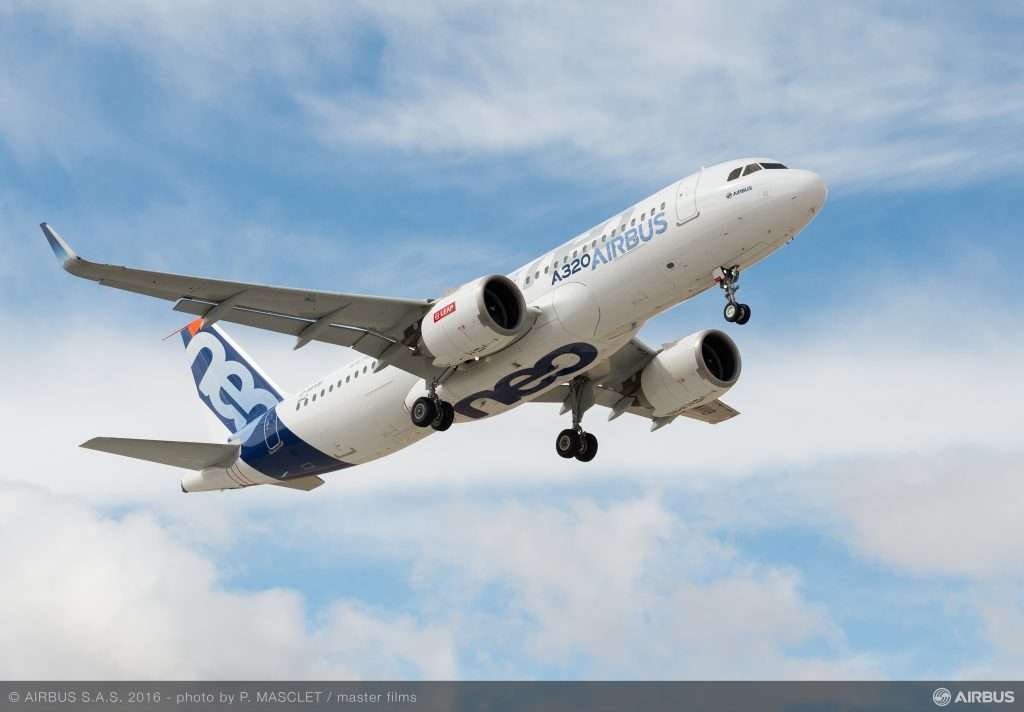
Ultimately, while Airbus presents these timeframes, it does not mean they will be met; it’s common for any new endeavour to experience delays, let alone something as significant as an A320 replacement.
Airbus Getting Ahead Of Boeing
The launch of a new commercial aircraft is more than just addressing Airbus’ own customers’ requirements; it is also a response to its rivalry with Boeing.
Unfortunately, for the broader industry, Boeing has experienced numerous struggles over the last half decade, resulting in the American manufacturer falling behind Airbus in more aspects than one.
While at this stage, aircraft in the 737 MAX series remain uncertified and are the primary focus, this also diverts valuable resources from studying what comes next after the 737 MAX.

Airbus recognises that it has an opportunity, as its new commercial airliner is not expected to launch until the end of the 2030s.
According to the latest forecasts, it has the time to begin taking the proper steps to showcase what it can offer customers.
If Airbus can surpass Boeing in its next commercial airliner, especially in terms of a single-aisle model, just as it did initially with the A320neo, but on a larger scale, it could be set for success for the next handful of decades.

ABOUT THE AUTHOR
Daniel Fowkes is a Melbourne-based aviation analyst and journalist with over a decade of industry experience. As founder of Dj’s Aviation, he delivers trusted analysis on aircraft, airline strategy and global aviation trends for djsaviation.net
Leave a Reply
Related Articles




Stay Informed
Get the latest aviation news, analysis and route updates delivered to your inbox.
We respect your privacy. Unsubscribe at any time.
Enjoyed this story?
Make us your go-to for aviation news
Add us as a preferred source on Google and see our latest stories first in Top Stories.
Add Us On Your News Feed
The engine that Airbus chooses is of the outmost importance. Will they innovate? It is beyond me, why propfan engines haven’t been introduced in the last 20+ years! The sound problem has many interesting solutions. They are fuel efficient and can power any single isle aircraft-no matter the number of seats, much more economically giving airlines better profit margins and saving millions of tonnes in CO2 emissions. Of course probably they will go for a high-bypass turbofan – which is a pity.
If Airbus can make the new A320 production friendly it’s going to finish Boeing